Applications: Where PPF & Window Film Create Real Value
If you’re selecting film for a market launch, a distributor portfolio, or a project pipeline, the fastest path is to start with the application goal, not a random SKU. This hub helps you map real-world use cases to the right film category—then convert that into an OEM-ready product line with consistent batches and private label delivery.
FUNO is a factory-direct OEM manufacturer of PPF and Window Film for automotive, motorcycle, and architectural applications. You get execution control: production discipline, QC checkpoints, and packaging that is ready to sell.
PPF is selected by where damage happens first and how you want the vehicle to look and age. For cars and motorcycles, this means mapping film coverage to high-impact zones, daily contact points, and appearance requirements. Use these pages to build a clean, market-ready SKU set.
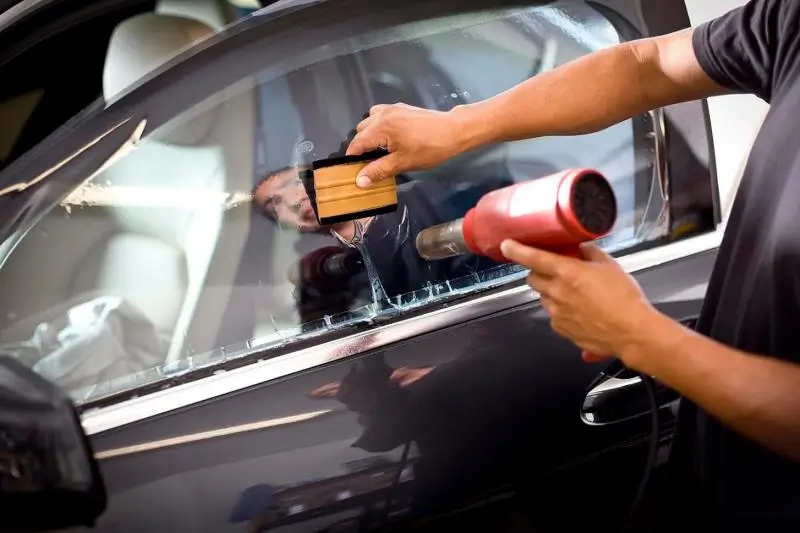
Car window film is typically purchased for comfort, visibility, and long-term interior protection. These pages help you align positioning with how drivers and installers evaluate performance.
Architectural film is driven by building pain points and project constraints. Use these pages to match film type to property goals and make your OEM offer contractor-friendly.

Paint Protection Film
- High-Impact Zones Protection: Focus coverage on the areas most exposed to road debris and daily wear—ideal for entry-level bundles and fast turnover programs.
- Full Vehicle Coverage Programs: Designed for premium positioning, consistent appearance, and high-margin installer packages.
- Finish & Appearance Applications: Gloss, matte, and satin-style positioning for customers who buy aesthetics as much as protection.
- Fleet & Commercial Vehicle Protection: Built around uptime, easier maintenance, and predictable reconditioning outcomes.
- Motorcycle PPF Applications: Position film for fuel tanks, front fairings, fenders, headlights, side panels, and rider contact areas where scratches, road debris, and gear abrasion appear first.
Front Bumper (High-Impact Front End)
Use PPF on the front bumper when your buyers are dealing with constant chip risk from road debris and tight daily driving conditions. This is the most common “starter kit” area and an easy SKU for distributors to move fast.
Hood + Front Fenders (Leading Edge Protection)
PPF is frequently applied to the hood and front fenders—especially the leading edges—because that’s where paint damage accumulates early and becomes highly visible in resale and inspection.
Side View Mirrors
PPF on side mirrors is a high-value add-on for tight parking, highway debris, and wash-related abrasion. It also pairs naturally with bumper/hood kits as a standard bundle component.
Behind the Rear Wheel / Wheel Arch Splash Zone
Apply PPF behind the rear wheel (and related wheel-arch impact zones) when the vehicle operates in gravel, dusty roads, or wet conditions where tire throw creates repeated abrasion.
Rocker Panels (Lower Side Body)
PPF on rocker panels is common for SUVs, trucks, and vehicles used on uneven roads, where the lower body takes the most sustained abuse from sand, stones, and wash brushes.
Door Edges + Pillars (Daily Contact Points)
Use PPF on door edges and pillars when the goal is protecting the most frequently touched, most easily scratched areas—ideal for retail bundles and “premium detail” upgrades.
Use PPF on motorcycles when your market needs protection for smaller, more exposed painted panels. Fuel tanks, front fairings, fenders, headlights, side panels, and knee contact areas are common motorcycle PPF zones because they face road debris, riding gear abrasion, fuel contact, and frequent cleaning marks. This application is suitable for installers and distributors building dedicated motorcycle protection packages alongside automotive PPF programs.
Full Vehicle Wrap (All Painted Panels)
Choose full-body PPF coverage when your market sells “total protection” packages for premium vehicles, long-term ownership, or high resale expectations. It’s the cleanest way to standardize appearance and protection across every visible painted surface.

Car Window Film
- Heat & Cabin Comfort: Reduce solar load and improve driving comfort without forcing dark aesthetics.
- Glare Management & Daylight Control: Support safer, clearer driving in high-sun conditions.
- UV Protection & Interior Preservation: Position around occupant comfort and material preservation.
- Style & Privacy Positioning: Build tiered SKUs that fit your market’s preference for appearance and privacy.
Side Windows (Front & Rear Side Glass)
Rear Windshield / Back Glass
Use window film on the rear windshield (back glass) when buyers want a uniform look and consistent shading across the cabin, especially for sedans/SUVs with large rear glass exposure.
Panoramic Roof / Sunroof Glass
When vehicles have large roof glass, film application on panoramic roof / sunroof becomes a dedicated SKU opportunity—typically positioned as a comfort add-on for sunny, high-heat markets and glass-roof models.

Architectural Window Film
- Solar Control for Commercial Buildings: Target hot spots, glare complaints, and overworked cooling systems—while preserving natural light and views.
- Residential Comfort & Daylight Control: Position around livability: bright interiors with improved comfort and reduced glare.
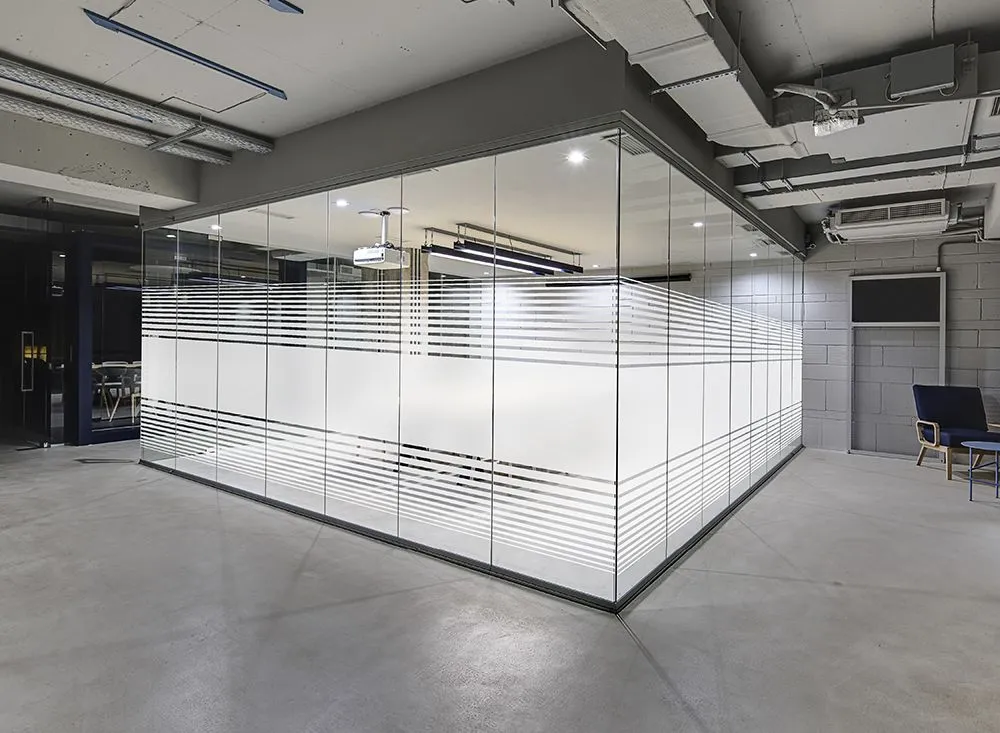
- Decorative & Privacy Film: Aesthetics and privacy for offices, meeting rooms, retail glazing, and partitions—often a fast-moving distributor category.
- Safety & Security Film Use Cases: Applications where glass reinforcement and shard retention are prioritized—aligned to building risk profiles and duty-of-care expectations.
- Public-Facing & Anti-Graffiti Protection: Protection positioning for high-traffic glass surfaces where cleaning and replacement costs matter.
Commercial Curtain Walls & Large Façade Glazing
Apply architectural film to commercial façade glazing and curtain walls where buildings have large glass area exposure and recurring comfort/energy complaints. This is the most common scope for commercial retrofit projects.
Ground-Floor Storefront Windows & Glass Doors
Use window film on street-level storefront windows and glass doors—a typical application where impact risk and glass safety concerns are higher due to foot traffic and accessibility.
Offices—Conference Rooms, Glass Partitions, Reception Areas
Decorative/privacy films are routinely applied to conference room glass, office partitions, and reception glazing to deliver privacy zoning while keeping a modern glass-first interior design.
Residential Sliding Glass Doors, French Doors, Skylights
Architectural film is commonly specified for sliding glass doors, French panes, and skylights—typical residential upgrade areas where glass size and sun exposure make comfort and privacy requests repeatable.
Schools—Windows and Door Glass
Safety/security film is a frequent application in schools, especially on windows and door glazing, where project stakeholders prioritize glass-related risk reduction in high-occupancy environments.
Multi-Site Rollouts (Retail Chains / Office Chains / Property Portfolios)
For buyers managing multiple locations, the “application” becomes a portfolio rollout: the same film spec and packaging must repeat across sites for consistent procurement, installation, and maintenance. This is where OEM batch discipline and SKU traceability directly matter.
Get Your OEM Plan for This Application
Who This OEM Solution Is Built For
Share a few details. FUNO will map your car, motorcycle, architectural, or specialty application scenario to the right PPF / window film category, then propose a practical OEM plan: recommended series, private label packaging options, and a sampling path.
Built for OEM Execution: How FUNO Supports Your Application Launch
Applications are only valuable if you can ship the same result repeatedly. FUNO is structured for OEM programs where you scale with control.
Factory-Direct Manufacturing Control
- In-house production scheduling and standardized execution
- Defined QC checkpoints supporting repeatability
- Change-control discipline to protect long-term SKU stability
Batch Consistency & Traceability
- Batch identification logic aligned to distributor operations
- Roll-level and carton-level marking options (based on your packaging system)
- Retention and verification support (available upon request)
Private Label Packaging That’s Ready to Sell
- Boxes, sleeves, cores, stickers, and outer cartons
- SKU coding structure, barcode/QR placement, multi-language label layout support
- Shipment marking and pallet labeling designed for warehouse receiving
FAQ
Yes. FUNO is a China-based manufacturer of paint protection film and window film. We support OEM manufacturing, private label packaging, sample testing, and export supply.
Yes. We can support your brand name, logo, roll box, carton, product label, SKU name, barcode, and multi-language packaging layout.
Yes. You can share your target market, product category, price level, and sales channel. FUNO will recommend suitable PPF or window film options for testing.
Yes. You can send a reference sample or target specification. FUNO can recommend suitable options based on measurable requirements and sample comparison.
Please provide your product category, target market, roll size, preferred performance, packaging needs, estimated order quantity, and sample purpose. If you already have artwork or a sample, you can also send it for reference.
Yes. PPF can be used on motorcycle fuel tanks, fairings, fenders, headlights, side panels, tail sections, and rider contact areas. For motorcycle applications, film flexibility, adhesive stability, edge performance, and finish matching are especially important because motorcycle panels are smaller and more curved than standard car panels.
Contact FUNO
Looking for a reliable PPF and window film manufacturer in China?
Send us your product category, target market, preferred specifications, packaging needs, and estimated order volume. FUNO will help you recommend suitable film options, sample plans, and supply solutions.