

Architectural Window Film Categories
FUNO supplies architectural window film products for different building glass needs. Each film type has a different function, application area, and market value.
Silver reflective window film combines solar-control performance with a visible reflective exterior appearance.
It is commonly evaluated for commercial buildings, offices, hotels, storefronts, and high-sun-exposure glazing where buyers need glare reduction, solar control, and a more reflective façade appearance.
Best for: commercial façades, office glass, hotels, storefronts, reflective solar-control projects.
Safety and security window film is used in glazing systems where glass fragment retention and safer breakage behavior are important project requirements.
Depending on the project, buyers should evaluate film thickness, glass configuration, installation method, attachment requirements, and available test documentation before specifying the final system.
Best for: schools, hospitals, storefronts, public buildings, glass doors, safety-upgrade projects.
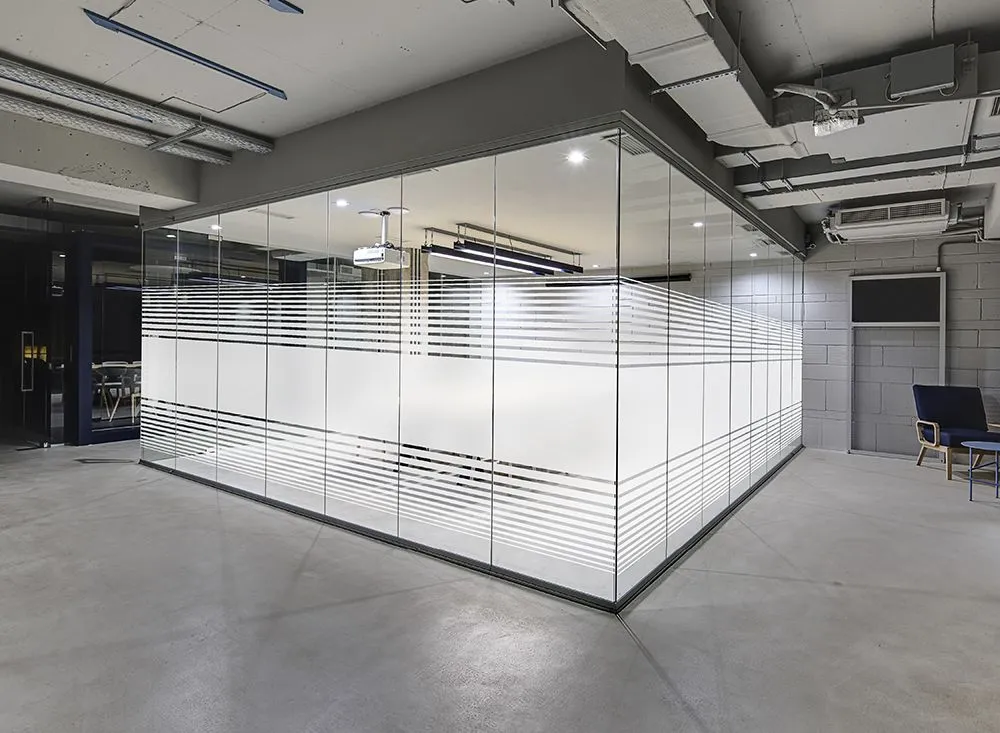
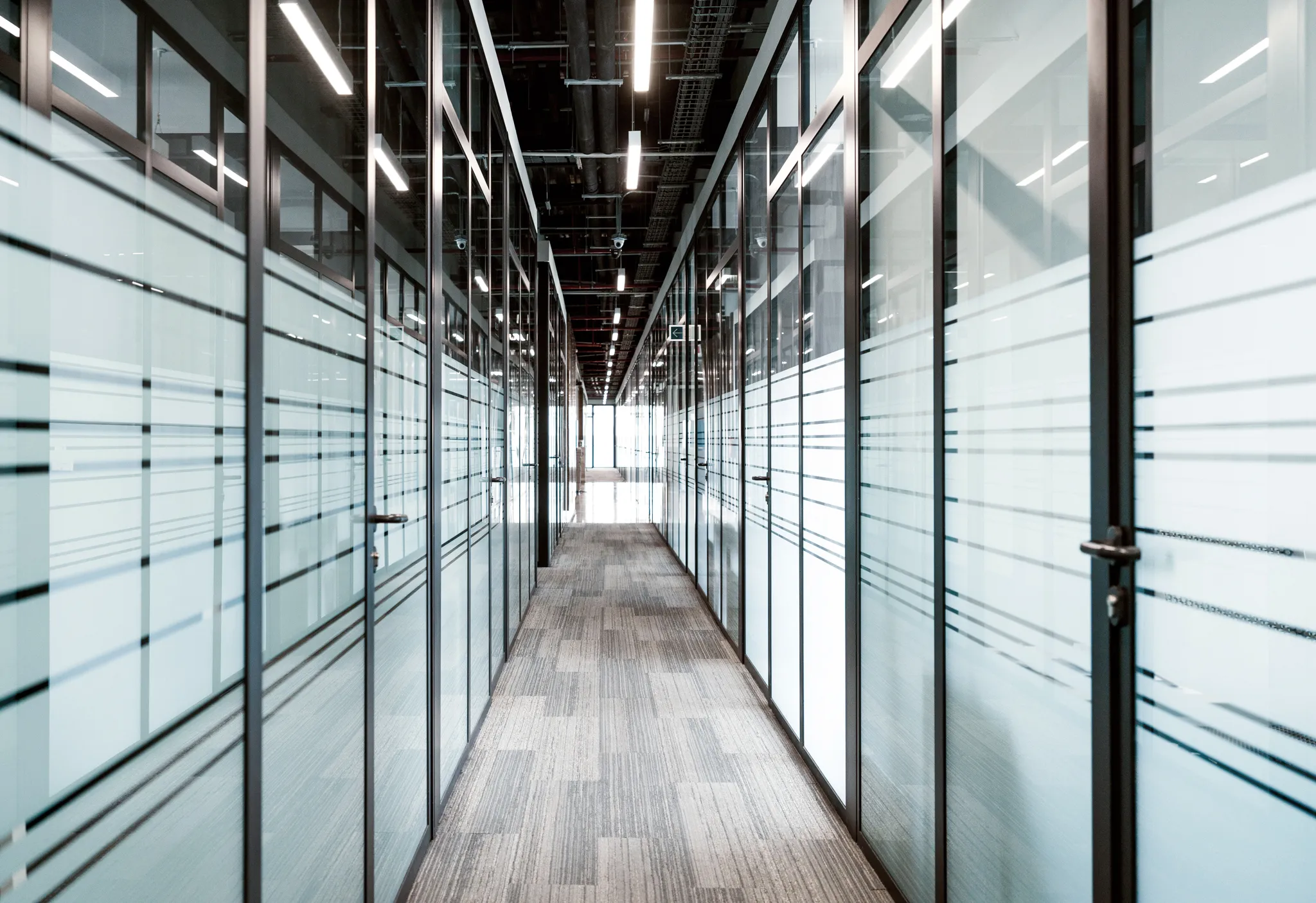
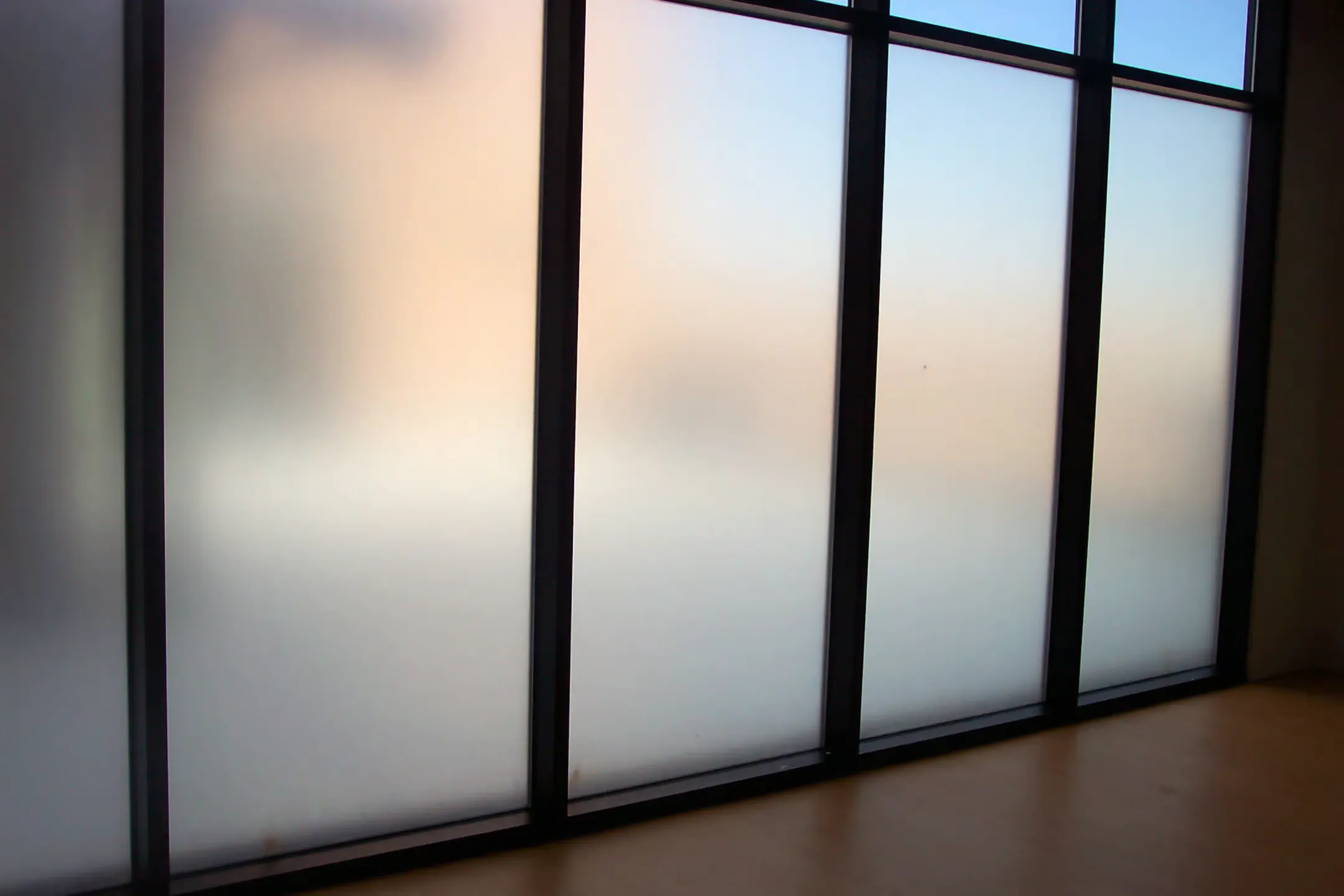
Decorative window film is used for privacy, interior design, branding, and visual zoning on architectural glass.
It is suitable for office partitions, meeting rooms, clinics, banks, hotels, retail interiors, and other spaces where privacy or visual design is required without necessarily replacing the existing glass.
Best for: office partitions, interior glass, retail spaces, hospitality, branding and design projects.
Technical Parameters
| Decorative Film | Thickness | VLT | Remark | Model | Color | Warranty |
| 2mil | 99% | 1.38m × 30m | White Matte | Frost | 6 Years | |
| 2mil | 99% | Rainbow Blue | Rainbow Blue | 6 Years | ||
| 2mil | 99% | Rainbow Red | Rainbow Red | 6 Years | ||
| 2mil | 99% | Black Out | Black out | 6 Years | ||
| 2mil | 99% | White out | White out | 6 Years | ||
| 2mil | 99% | Mini Blind | Mini Blind | 6 Years | ||
| 2mil | 99% | Venetian blind | Venetian blind | 6 Years | ||
| Thickness | VLT | IR Cut | UV Cut | Color | Warranty | |
| Safety Film | 2mil | 90% | 11% | 16% | Clear | 6 Years |
| 4mil | 90% | 11% | 20% | Clear | 6 Years | |
| 8mil | 90% | 11% | 25% | Clear | 6 Years | |
| 12mil | 90% | 11% | 25% | Clear | 6 Years | |
| Silver Film | 2mil | 5% | 90% | 99% | Silver | 3 Years |
| 2mil | 15% | 88% | 99% | Silver | 3 Years | |
| 2mil | 35% | 83% | 99% | Silver | 3 Years | |
| 2mil | 50% | 62% | 99% | Silver | 3 Years | |
| 2mil | 8% | 90% | 99% | Green | 3 Years | |
| 2mil | 8% | 90% | 99% | Blue | 3 Years | |
| 2mil | 25% | 75% | 99% | Gold | 3 Years | |
| 2mil | 10% | 75% | 99% | Grey | 3 Years | |
| 2mil | 15% | 75% | 99% | Bronze | 3 Years |
Key Specifications for Architectural Window Film Buyers
Visible Light Reflectance (VLR)
VLR describes how much visible light is reflected by the filmed glazing.
This is especially important for commercial façades and reflective films because it affects exterior appearance and how strongly the glass looks reflective during daylight.
Total Solar Energy Rejection (TSER)
TSER provides a broader view of total solar-energy control than a single narrow-band infrared value.
When available, buyers should compare TSER together with VLT, reflectivity, glass type, and the relevant test conditions rather than selecting a film only by an advertised IR percentage.
UV Performance
UV-performance data helps buyers understand how the filmed glazing reduces ultraviolet exposure.
It can support product positioning around interior material protection and occupant comfort, but it should not be described as a guarantee that fading or material aging will never occur.
Film Thickness
Film thickness should be evaluated according to product category and project function.
Solar-control and decorative films may use relatively thin constructions, while safety and security-oriented systems may require thicker films and additional project-specific evaluation.
Interior vs Exterior Installation
Buyers should confirm whether the selected film is designed for interior or exterior installation.
Installation side affects film construction, weather exposure, product life, glass compatibility, and project planning. Do not assume that every architectural film can be installed on either side of the glass.
Glass Compatibility and Project Review
Not every architectural window film is suitable for every glass configuration.
Before confirming a building-film product, buyers should provide as much information as possible about the existing glazing system and installation environment.
Important information can include:
- glass type;
- single or double glazing;
- annealed, tempered, or laminated glass;
- Low-E or other coated glass where relevant;
- glass thickness;
- interior or exterior installation;
- window dimensions;
- frame condition;
- existing glass condition;
- exterior shading or partial shading;
- project location and climate.
This information helps narrow the film options and identify where additional project review or mock-up testing may be needed.
Glass Compatibility
For solar-control and reflective projects, glass compatibility should be reviewed before final product selection. For safety and security projects, film thickness alone should not be treated as proof of a complete performance level. The glazing system, installation method, attachment system where applicable, and available test documentation should be considered together.
Architectural Window Film Applications
Commercial Buildings
Solar-control and reflective films can support glare management, daylight control, interior comfort, and façade appearance in office towers, commercial centers, and other high-glazing buildings.
Offices & Glass Partitions
Decorative and privacy films can create visual separation for meeting rooms, conference spaces, private offices, and open-plan environments while allowing different levels of daylight to remain.
Retail & Storefronts
Depending on the project, storefront glass may require solar control, reflective appearance, privacy, decorative branding, or glass-safety support. Product selection should be based on the actual glazing and project objective.
Hotels & Hospitality
Architectural film can support guest comfort, glare control, privacy, decorative design, and solar-management objectives across guestrooms, public spaces, interior partitions, and exterior glazing.
Schools & Public Facilities
Safety-oriented film can be considered where glass-fragment retention and safer breakage behavior are important. Final product selection should be based on the glazing system, application, and required project documentation.
Residential Windows
Solar-control and privacy films can help manage glare, daylight, exterior visibility, and indoor comfort in apartments, villas, and other residential glazing applications.
OEM & Private Label Architectural Window Film
FUNO supports distributors, wholesalers, glass-film brands, and local suppliers that want to sell architectural window film under their own brand.
Depending on the project, OEM/private label support can include:
- existing film series with branded packaging;
- roll labels and product stickers;
- branded roll boxes;
- outer cartons;
- SKU naming;
- barcode layout;
- multilingual packaging;
- sample books for decorative and privacy products;
- sample confirmation before bulk production;
- repeat-order planning.
Buyers can begin with an existing product series for faster market entry or discuss more specific product targets through sample and specification comparison.
Learn more about our OEM PPF & Window Film Manufacturing Services.
Architectural Film Project Supply
Building projects often require a different purchasing process from normal distributor stock orders.
For project-based supply, buyers should confirm the building application, glass information, project objective, film category, required performance data, sample or mock-up requirements, roll quantity, and delivery plan before final product approval.
FUNO can support:
- film-category comparison;
- sample preparation;
- project mock-up coordination;
- specification confirmation;
- roll-size planning;
- quantity planning;
- packaging and labeling;
- available product documentation;
- batch supply and repeat-order coordination.
Architectural Window Film Sample & Project Approval Process
1. Share the Project Requirement
Tell us the project type, destination market, building application, required film function, approximate quantity, and purchasing timeline.
2. Confirm the Glass and Installation Conditions
Provide available information about the glass type, glazing structure, glass thickness, Low-E or coated surface where relevant, window size, installation side, and project environment.
3. Select Suitable Film Options
Based on the project objective and glass information, suitable solar-control, reflective, safety, decorative, or privacy film directions can be shortlisted for evaluation.
4. Review Samples or a Project Mock-Up
Evaluate film appearance, VLT direction, reflectivity, privacy effect, optical quality, installation behavior, decorative pattern, or other project-specific factors on representative glass where practical.
5. Confirm Specifications and Supply Plan
After approval, confirm the selected film series, technical requirements, roll size, quantity, packaging, labels, documentation needs, and delivery plan before bulk production or project supply.
Architectural Window Film Manufacturing & Quality Control
FUNO is the film brand of Hebei Fengao New Materials Co., Ltd., based in Shijiazhuang, Hebei Province, China.
Our architectural film supply process supports coating, slitting, roll converting, inspection, sample preparation, packaging, and repeat-order coordination for international customers.
Depending on the film category, quality checks can include:
- film appearance;
- optical clarity;
- shade or color consistency;
- reflective appearance;
- thickness;
- coating uniformity;
- adhesive behavior;
- roll condition;
- decorative pattern consistency;
- packaging accuracy;
- SKU and batch identification.
For project supply, the approved sample, technical specification, and confirmed packaging or project requirements should be used as reference points for future orders.
Technical documentation should be confirmed by product and project. Where applicable, buyers can request the available product specification, test data, packaging information, and other supporting documents for the selected film series.
Safety or security performance should only be communicated according to the relevant tested film or glazing system rather than generalized across all products.
Frequently Asked Questions About Wholesale Architectural Window Film
What Types of Architectural Window Film Does FUNO Supply?
FUNO supplies architectural film directions including solar control, silver reflective, safety and security, decorative, and privacy window film for commercial, residential, public-building, and interior-glass applications.
How Do I Choose the Right Film for a Building Project?
Begin with the project objective and glass configuration. Confirm whether the main requirement is solar control, glare reduction, reflectivity, privacy, decoration, glass-fragment retention, or another project need. Then review the relevant film specifications, glass compatibility, sample or mock-up, and available technical documentation.
What Glass Information Should I Provide Before Selecting Film?
Where available, provide the glass type, single or double glazing, tempered or laminated construction, Low-E or other coating information, glass thickness, window dimensions, installation side, and project location. More complete glass information helps narrow the film options and identify where additional review may be required.
Can I Request Samples or a Project Mock-Up?
Yes. Sample or mock-up evaluation can help buyers review appearance, light transmission direction, reflectivity, privacy effect, decorative pattern, installation behavior, and overall project fit before bulk purchasing.
Can FUNO Provide OEM or Private Label Architectural Window Film?
Yes. Depending on the program, FUNO can support branded roll boxes, labels, cartons, SKU naming, barcode layout, multilingual packaging, sample books, and sample confirmation before bulk supply.
What Information Is Needed for a Project or Wholesale Quote?
Please provide your country or project location, buyer or project type, required film function, available glass information, target VLT or thickness where relevant, roll requirement, estimated quantity, sample or mock-up need, packaging requirement, and purchasing timeline.
Contact us
Explore Our Architectural Window Film Range
Silver reflective window film combines solar-control performance with a visible reflective exterior appearance.
It is commonly evaluated for commercial buildings, offices, hotels, storefronts, and high-sun-exposure glazing where buyers need glare reduction, solar control, and a more reflective façade appearance.
Best for: commercial façades, office glass, hotels, storefronts, reflective solar-control projects.
Safety and security window film is used in glazing systems where glass fragment retention and safer breakage behavior are important project requirements.
Depending on the project, buyers should evaluate film thickness, glass configuration, installation method, attachment requirements, and available test documentation before specifying the final system.
Best for: schools, hospitals, storefronts, public buildings, glass doors, safety-upgrade projects.
Decorative window film is used for privacy, interior design, branding, and visual zoning on architectural glass.
It is suitable for office partitions, meeting rooms, clinics, banks, hotels, retail interiors, and other spaces where privacy or visual design is required without necessarily replacing the existing glass.
Best for: office partitions, interior glass, retail spaces, hospitality, branding and design projects.
Architectural Window Film Buyer Resources
Factory-Direct PPF vs Local Distributor Supply: Which Sourcing Model Fits Your Business?
Safety Film vs Security Film: What’s the Difference and How to Choose
Translucent vs Opaque vs Transparent vs Decorative Films: What’s the Difference?
Does Decorative Window Film Reduce Heat?
Uses of Architectural Window Film
What Is Architectural Window Film?
What Is Decorative Window Film?