
Windshield Protection Film | Clear TPU Windshield Film
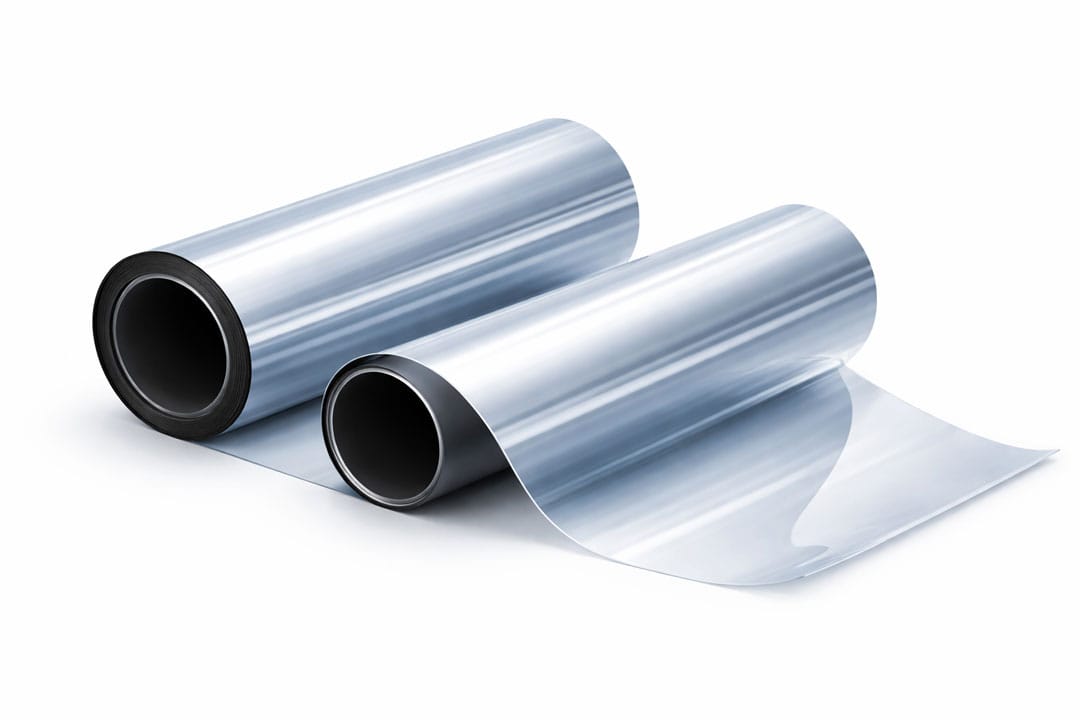
Your customers do not buy this category for styling. They buy it to reduce windshield replacement frequency, control road-debris damage, and keep front-glass visibility more stable in daily driving. That is why our windshield protection film is built as a clear TPU exterior film program for installers, distributors, fleet supply, and private label projects.
We produce windshield protection film for buyers who need a product that is easier to quote, easier to sample, and easier to roll out across repeat orders. The focus is simple: clear optics, practical impact defense, stable roll supply, and documentation that supports real-world sales and installation work.
What you can request from us
- Sample rolls for evaluation
- Program-ready TDS and quotation
- Roll supply planning
- OEM and private label support
Why Buyers Use Windshield Protection Film
This category is used when standard glass replacement is too reactive and too expensive as a long-term approach. A replaceable protective layer gives your customers another option: protect the original windshield first, then replace the film when needed instead of replacing the glass every time minor damage accumulates.
This makes windshield protection film especially useful for:
- high-mileage drivers
- off-road and upright-windshield vehicles
- RV and commercial fleets
- installer networks that want a specialized glass-protection offer
The value is not only in the film itself. The value is in building a clearer maintenance and protection program around a product that solves a very visible problem.
Product Specification (For Catalog & Quotation)
| Model | Thickness | Color | Self Healing | Warranty | Roll Size |
|---|---|---|---|---|---|
| TPU Windshield | 6.5mil | Clear | Instant | 1 year | 1.2m × 15m |
- For front windshields, compliance is ultimately governed by visibility and light transmittance requirements in the target market. In the U.S., NHTSA interpretations of FMVSS No. 205 repeatedly reference the 70% light transmittance requirement for glazing areas requisite for driving visibility (with permitted shade-band exceptions).
- “Self-healing” performance is condition-dependent in the market (heat/ambient conditions, abrasion type, and service behavior). Your program documentation should define the scope and realistic expectations as part of warranty governance.
Test PPF Samples Before Bulk Buying
Before committing to a bulk PPF order, we recommend testing the film under real installation conditions.
Professional buyers should compare more than film thickness or warranty. Sample evaluation can help you check:
- surface clarity and finish consistency;
- orange peel and visual texture;
- adhesive tack and repositionability;
- stretch and conformability;
- edge stability;
- self-healing response;
- hydrophobic behavior;
- stain resistance;
- installer feedback.
FUNO supports sample evaluation for distributors, installer networks, importers, and private label buyers before volume purchasing.
For a complete evaluation method, read our PPF Sample Testing Guide
| Item | Windshield Protection Film Program |
|---|---|
| Film Type | Clear TPU exterior windshield protection film |
| Main Function | Rock chip, debris, and surface wear risk reduction |
| Optical Direction | Clear appearance with controlled visibility impact |
| Construction | TPU-based |
| Thickness | By program specification |
| Self-Healing | Available by series / performance scope |
| Supply Format | Roll supply as standard |
| Roll Size | Standard roll program available |
| Warranty | By series and channel program |
| Support | Sample rolls, TDS, quotation, private label discussion |
This format is easier to use because it presents the product as a commercial program, not as a single isolated SKU.
What This Film Helps Reduce
Windshield protection film is commonly selected to help reduce:
Rock Chip Damage
Small impacts from gravel and road debris are one of the main reasons buyers choose this category. A protective exterior layer helps reduce the frequency and severity of those events.
Surface Pitting Over Time
Repeated high-speed exposure can gradually affect windshield surface condition. A replaceable protective layer helps manage that wear more predictably.
Wiper-Related Surface Wear
In real driving conditions, the windshield is exposed to repeated wiper movement, dust, and environmental contact. Film programs should be built with this reality in mind.
Unexpected Downtime
For fleets and heavy-use vehicles, windshield damage is not only a repair issue. It can become a scheduling issue. A planned protection layer is easier to budget and standardize than repeated unplanned glass replacement.
Where Windshield Protection Film Creates the Most Value
Highway and Long-Distance Driving
Vehicles that spend more time on highways usually face more gravel, more impact exposure, and more cumulative wear. This is one of the clearest use cases for the category.
Jeep and Upright-Windshield Platforms
More upright windshield designs often face a different impact pattern than heavily sloped windshields. This makes protection programs more commercially relevant for these vehicle types.
RV and Commercial Fleets
Fleet and commercial operators often care as much about downtime as they do about direct repair cost. A predictable protective layer is easier to plan around than repeated replacement cycles.
Premium Installer Programs
For installers, windshield protection film can become a specialized add-on category with clearer value than a general “upgrade” message. It is easier to explain when it is positioned around protection, not decoration.
Why TPU and Why This Thickness Direction
Windshield protection film is often compared across different material platforms and thickness levels. What matters in practice is not only the number. It is how the film balances:
- optical clarity
- impact absorption
- surface behavior under daily driving
- supply efficiency for installers and distributors
A practical TPU windshield film program usually sits in the middle ground between ultra-thin options and much heavier specialty kits. That middle position is often the most useful for channels that want a balance of clear visibility, practical rock-chip defense, and repeatable roll supply.
Roll Supply vs Pre-Cut Programs
Roll Supply as the Core Program
Roll supply is usually the best starting structure when the goal is fast launch, lower complexity, and flexible in-house cutting. It fits installer networks, dealer groups, and repeat order programs well.
Pre-Cut Programs as the Second Stage
Vehicle-specific pre-cut programs can be developed later for top platforms where repeat fitment and installation speed become more important. This is usually a second-stage expansion, not the first step.
Recommended Direction
For most channels, the more efficient route is:
- Phase 1: launch with standard rolls
- Phase 2: add pre-cut programs for top vehicle platforms
This keeps the entry point simpler while leaving room for more specialized expansion later.
Compliance and Visibility
Front windshield products should always be handled as a compliance-first category. This is not the place for vague tint claims or aggressive dark-shade positioning. The correct commercial language should stay focused on clear protection first.
A cleaner compliance approach usually depends on three rules:
Keep the Product Positioned as Clear Protection
Do not build the page around dark tint language. The primary function here is protection and visibility management.
Verify Performance on the Installed Glazing System
Front glass performance should be discussed as a system result, not as an isolated film-only number. Final visibility must be considered on the actual glass.
Follow Local Regulations
Front windshield requirements vary by market. Every offer should be aligned with local regulations and installed-system visibility expectations.
This protects both you and your customer from unnecessary disputes later.
What Changes the Windshield Protection Film Quote
A useful quote depends on more than one price number. In practice, the main factors usually include:
Supply Format
Roll supply and vehicle-specific pre-cut programs follow different quoting logic.
Material and Thickness Direction
Different construction and thickness levels affect both product positioning and cost structure.
Surface Performance Expectations
Optical clarity, wear behavior, and surface durability all influence how the product should be quoted and sold.
Volume and SKU Strategy
A cleaner, more standardized program is easier to quote efficiently than a fragmented custom structure.
Warranty Positioning
Warranty scope affects how the product is presented, supported, and priced across different channels.
The clearer the program structure, the cleaner the quote becomes.
Documentation and Program Support
To make windshield protection film work as a repeat-order business instead of a one-time trial item, support materials matter. We can help structure the program with:
- spec sheet and labeling support
- batch traceability
- installer-oriented product guidance
- warranty governance
- private label discussion
- channel-ready quotation support
These details help your team move from evaluation to rollout with fewer gaps between sampling, selling, and repeat supply.
Why This Product Is Easier to Sell When It Is Positioned Correctly
Windshield protection film should not be sold as a styling film. It sells better when it is presented as:
- a clear exterior protection layer
- a rock-chip and debris risk-control product
- a replacement-frequency reduction tool
- a practical maintenance solution for heavy-use driving
That positioning is easier for installers, fleets, and distributors to communicate because the problem is clear and the product role is easy to understand.
FAQs
What is windshield protection film?
It is a clear protective layer applied to the outside of the windshield to help reduce road-debris damage, surface wear, and replacement frequency.
Does windshield protection film help reduce rock-chip risk?
Yes. This category is commonly used to help reduce the frequency and severity of small impact damage from road debris and gravel.
Is TPU better than PET for windshield protection film?
They are different material platforms with different commercial positioning. A TPU-based program is often selected when buyers want a stronger balance of elasticity, protection behavior, and market acceptance.
Is it legal on the front windshield?
Rules vary by market. Front windshield products should always be positioned and verified according to local regulations and installed-system visibility requirements.
Can it be installed on cracked or damaged glass?
It is better to start with sound glass. A protection film should not be used as a substitute for proper windshield condition.
Do you offer pre-cut windshield protection film?
Roll supply is the core standard program. Pre-cut development can be discussed as a separate direction for selected vehicle platforms.
Request a Quote for Wholesale, Installer, or Fleet Programs
To help us recommend the right windshield protection film program, please share:
- target market or country
- channel type: wholesale, installer network, dealer group, or fleet
- vehicle mix or application focus
- roll supply or pre-cut roadmap
- estimated volume plan
- packaging or branding requirements
We will respond with a more suitable product direction, quotation structure, and support plan based on your actual program needs.
Contact us
Related products
Nano ceramic window film is positioned for premium automotive tint programs where buyers need strong heat-control performance, a clean low-reflective appearance, multiple VLT options, and compatibility with modern vehicle electronics.
Sputtered window film uses deposition-based film technology for premium solar-control applications. Depending on the series, products can provide different VLT, reflectivity, appearance, and heat-management characteristics.
Chameleon window film is a styling-oriented automotive film designed to create color-shifting or angle-dependent visual effects on vehicle glass.
Clear TPU windshield protection film for distributors, installers, and fleet supply programs. Rock chip defense, high optical clarity, roll supply, sample support, and OEM service.
Nano carbon window film provides a clean dark appearance and practical heat-control performance for mainstream automotive tint programs.
It is suitable for distributors and installer networks that need a simple shade structure, stable product positioning, and a more accessible price level than premium ceramic lines.
Dyed window film is designed for entry-level and price-sensitive automotive tint programs where buyers mainly need darker appearance, privacy, and a simple shade range.
It can provide a practical starting category for markets where product price and straightforward SKU selection are more important than premium heat-control positioning.
articles & resources
Factory-Direct PPF vs Local Distributor Supply: Which Sourcing Model Fits Your Business?
Is There a Protective Film for Windshields? What Windshield Protection Film Is and How to Choose It
How to Install Windshield Protection Film: Process, Tools, and Common Mistakes
Does Windshield Protection Film Work? What It Really Helps Prevent
Ready to Launch Your Windshield Protection Film Business?
Get Pricing, Samples & Distributor Terms
Tell us your target market, preferred finish (gloss / matte / hydrophobic), and expected volume. We’ll recommend the right Windshield Protection Film series, share technical documentation, and provide sampling options so you can evaluate clarity, install feel, and surface performance before scaling.
Ready to Launch Your Windshield Protection Film Business?
Get Pricing, Samples & Distributor Terms
Tell us your target market, preferred finish (gloss / matte / hydrophobic), and expected volume. We’ll recommend the right Windshield Protection Film series, share technical documentation, and provide sampling options so you can evaluate clarity, install feel, and surface performance before scaling.