
Sputtered Film | Sputtered Window Tint Roll Supply
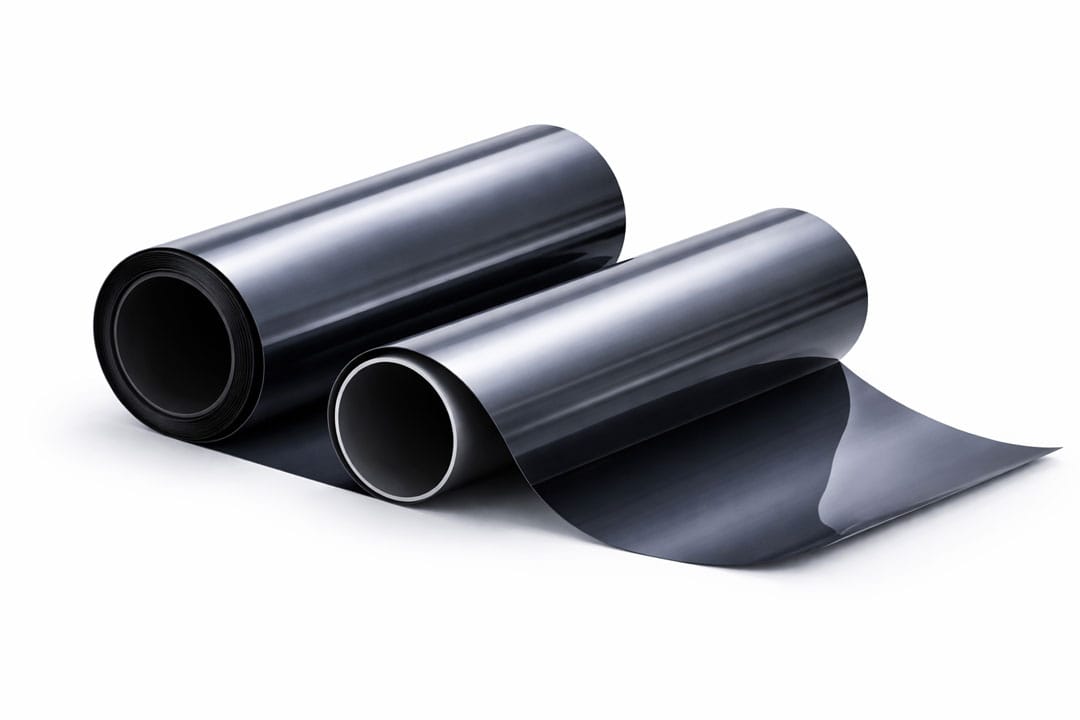
If your market needs a premium automotive window tint with stronger solar control, a cleaner visual profile, and a clearer high-end product story, our sputtered film gives you a practical supply solution. We manufacture sputtered window film for distributors, installer networks, retail chains, and private label buyers who need a structured product line, stable roll supply, and repeatable documentation for long-term business development.
Sputtered film is widely chosen when you want to position a window tint range above standard dyed or basic carbon lines. It gives you a more engineered premium category with cleaner technical storytelling, stronger comfort positioning, and a product structure that is easier to organize by VLT level and market fit.
What you can request from us
- Sample rolls for shade evaluation
- TDS and quotation by series
- OEM and private label support
- Roll supply planning for bulk orders
Why Buyers Choose Sputtered Film
Sputtered window film is often selected when the goal is to build a premium tint category with stronger solar-control positioning and a more refined appearance than entry-level film lines. It works especially well when you want a window tint program that can support:
- higher-value product positioning
- clear VLT-based product planning
- stronger comfort-focused sales messaging
- a premium line for installers and distributors
In many markets, sputtered film is easier to sell when it is presented as a performance-led upgrade. Instead of focusing only on darkness or styling, the product can be positioned around cabin comfort, cleaner appearance, and a more engineered film structure.
Sputtering Film — Specification Sheet
| Product | Model | Thickness | VLT | IR Cut | UV Cut | Color | Warranty | Remark |
|---|---|---|---|---|---|---|---|---|
| Sputtering film | VK70 | 1.8mil | 71% | 96% | 99% | Light green | 10 Years | Similar class reference: V-KOOL |
| VK40 | 1.8mil | 46% | 98% | 99% | Black | 10 Years | — | |
| LX70 | 3mil | 72% | 96% | 99% | Light green | 10 Years | Similar class reference: Solar Gard | |
| LX40 | 3mil | 21% | 84% | 99% | Black | 10 Years | — | |
| LX25 | 3mil | 34% | 83% | 99% | Black | 10 Years | — | |
| K14 | 2mil | 13% | 87% | 99% | Black | 10 Years | Similar class reference: V-KOOL | |
| K28 | 2mil | 30% | 73% | 99% | Black | 10 Years | — | |
| RE20 | 2mil | 14% | 90% | 99% | Black | 10 Years | Similar class reference: 3M | |
| SP50 | 2mil | 50% | 53% | 99% | Light Grey | 10 Years | Similar class reference: 3M 9901 |
Sputtering + Ceramic Film — Specification Sheet
| Product | Model | Thickness | VLT | IR Cut | UV Cut | Color | Warranty |
|---|---|---|---|---|---|---|---|
| SPUTTERING + CERAMIC FILM | SP05 | 2mil | 5% | 95% | 99% | Black | 10 Years |
| SP15 | 2mil | 15% | 95% | 99% | Black | 10 Years | |
| SP35 | 2mil | 35% | 95% | 99% | Black | 10 Years | |
| SP70 | 2mil | 70% | 95% | 99% | Light Blue | 10 Years |
Test PPF Samples Before Bulk Buying
Before committing to a bulk PPF order, we recommend testing the film under real installation conditions.
Professional buyers should compare more than film thickness or warranty. Sample evaluation can help you check:
- surface clarity and finish consistency;
- orange peel and visual texture;
- adhesive tack and repositionability;
- stretch and conformability;
- edge stability;
- self-healing response;
- hydrophobic behavior;
- stain resistance;
- installer feedback.
FUNO supports sample evaluation for distributors, installer networks, importers, and private label buyers before volume purchasing.
For a complete evaluation method, read our PPF Sample Testing Guide
What Is Sputtered Film?
Sputtered film is an automotive window tint category built on a thin-film coating process that creates highly controlled functional layers on the base film. In practical commercial use, this means the product can support a premium solar-control story, a cleaner appearance profile, and a more structured technical offer than lower-tier window film categories.
The most important value is not the process name alone. The real value is what the finished product helps you offer in the market: a stronger premium tint line with better positioning for comfort, visibility planning, and installer-grade selling.
Why Sputtered Film Is a Premium Window Tint Category
A stronger sputtered film program is usually built around three customer-facing advantages:
Heat Control with a High-End Positioning
Sputtered film is often selected for premium tint lines because it supports a stronger solar-control story. This helps create a more persuasive comfort message in warmer markets and premium vehicle programs.
A Cleaner, Less Aggressive Appearance
Many buyers prefer a film line that looks premium without becoming overly mirrored or visually harsh. Sputtered film is often easier to position in this way, especially when appearance matters as much as the technical story.
A More Structured Product Ladder
A sputtered film program is easier to organize when you want a clearer lineup by VLT band, comfort level, and customer type. This is especially useful for distributors and installer networks that want a more organized premium offering.
Sputtered Film Program Overview
A strong sputtered film line usually works best when it is organized into two commercial directions:
Classic Sputtered Film Series
This line is suitable when you want a wider premium portfolio with multiple thickness options and multiple VLT bands. It works well for buyers who need a broader professional lineup.
Sputtered + Ceramic Series
This line is suitable when you want a cleaner and more focused range that combines sputtered positioning with a ceramic-style commercial story. It often fits buyers who want a broad-market premium line with easier product structure.
This kind of split makes it easier to plan product ladders without mixing every premium film into one confusing category.
Available VLT Options
A clear VLT lineup is one of the most important parts of a sputtered film program. It helps you structure products by visibility level, market fit, and customer preference.
Typical planning can include:
- High-VLT series for customers who want comfort and clarity without a dark look
- Mid-range VLT series for balanced daily-use premium tint programs
- Lower-VLT series for stronger privacy and darker appearance preferences
A cleaner VLT ladder performs better than an oversized shade list. It is easier to stock, easier to quote, and easier for installers to explain to customers.
Sputtered Film Specification for Procurement
| Item | High-VLT Sputtered Series | Balanced Sputtered Series | Dark Sputtered Series |
|---|---|---|---|
| Main Positioning | High clarity with premium comfort | Mainstream premium sputtered program | Stronger privacy and style direction |
| Visible Light Transmission | Higher VLT range by series | Mid-range VLT by series | Lower VLT range by series |
| Solar-Control Direction | Comfort-focused | Balanced heat and appearance | Stronger shading and heat control |
| UV Protection | Available by series | Available by series | Available by series |
| Appearance Profile | Cleaner premium look | Balanced premium look | Darker premium styling |
| Warranty Terms | By series and market program | By series and market program | By series and market program |
| Supply Format | Bulk rolls | Bulk rolls | Bulk rolls |
| Documentation | TDS, quote support, sample support | TDS, quote support, sample support | TDS, quote support, sample support |
| OEM / Private Label | Available | Available | Available |
This structure makes it easier to compare sputtered film by commercial role, VLT level, and market fit, instead of relying on isolated numbers without context.
Specs That Matter in Quoting
A stronger quotation depends on clear, repeatable, and commercially usable specification language. The most important points usually include:
Visible Light Transmission (VLT)
VLT defines how bright or dark the installed result will look. It is one of the most useful tools for building a practical shade ladder and managing market fit.
Solar-Control Positioning
A useful quote should explain whether the film is intended for high-visibility comfort, balanced premium use, or stronger privacy and style positioning.
UV Protection
UV protection remains one of the easiest and most practical value points to explain in automotive tint programs.
Appearance Profile
Many customers want a premium window tint that looks refined rather than overly mirrored. That visual result matters as much as technical performance.
Technical Language Clarity
Specification language should make the product easier to understand, not harder. Clear labeling of VLT, test disclosure, and series role helps reduce disputes later.
Fast Model Selector
If you want a faster commercial decision path, the easiest way is to match the film series with the actual market objective.
If Maximum Visibility Is the Priority
Choose a higher-VLT sputtered series when customers want stronger comfort and premium heat-control positioning without a dark cabin feel.
If Privacy and Darker Styling Are the Priority
Choose a lower-VLT sputtered series when the market accepts a darker appearance and stronger privacy-driven positioning.
If a Balanced Daily-Use Premium Program Is the Priority
Choose a mid-range VLT sputtered series when you want a practical core seller that can work across broader installer and retail demand.
Compliance Fit and Risk Control
A sputtered film program should always be built with market fit in mind. Shade selection is not only a style decision. It is also a channel decision and, in many cases, a compliance decision.
A cleaner risk-control approach usually comes from:
- offering multiple VLT options instead of one fixed shade
- using consistent series naming
- keeping quotation language aligned with the actual film line
- avoiding exaggerated or unclear performance claims
- using a consistent statement for installed-glass measurement expectations
This helps reduce disputes, supports smoother repeat orders, and gives your sales and installation teams a more stable way to work with the same line across multiple markets.
Installation Expectations
Sputtered window film should be positioned as a professionally installed product. The main value in your commercial message should be consistency, repeatability, and installer-grade finish quality, not consumer-facing DIY language.
A stronger sales program should therefore be supported by:
- stable handling behavior
- cleaner installation outcomes
- clear documentation
- controlled expectations around finish and performance
Program Fit by Customer Type
Distributors and Wholesalers
Sputtered film works well when you need a premium tint category with stronger comfort positioning, cleaner VLT planning, and a more organized window film portfolio.
Installer Networks and Retail Chains
A sputtered line is easier to position as an upgrade category because it combines premium appearance, clearer heat-control messaging, and a more structured shade program.
Fleet and Dealership Programs
Higher-VLT and balanced-VLT sputtered series often fit well when comfort, cabin usability, and premium presentation matter more than extremely dark styling.
Private Label Buyers
A sputtered line is easier to commercialize under private label when you have stable series naming, sample approval, and repeat-order planning in place.
Documentation Package for Professional Buyers
A useful sputtered film program should come with a documentation package that supports quoting, shade planning, and rollout.
Support can include:
- TDS and specification sheet
- sample rolls or shade cards
- warranty card template
- claim workflow guidance
- labeling and private label options
- multi-language packaging discussion where required
This makes it easier to move from sample review to order planning with fewer communication gaps.
10-Year Warranty Positioning
A clear warranty structure helps build confidence in long-term channel work. A 10-year warranty program gives you a stronger framework for customer communication, installer explanation, and after-sales planning in premium tint categories.
The key is not only the number of years. The key is whether the warranty logic is clear, whether the claim path is defined, and whether the product line remains stable enough to support repeat business.
Manufacturing Consistency and Supply Stability
In premium tint programs, repeat-order consistency matters as much as first-sample performance. You want the same shade direction, the same handling feel, and the same appearance profile when you reorder. If that changes, confidence in the program drops quickly.
That is why supply stability should be evaluated through:
- shade consistency
- repeatable appearance
- documentation stability
- predictable roll supply
- clean private label execution
The real test is not the first roll. The real test is whether the next shipment still matches the first one closely enough to keep your program stable in the market.
Sample Support and Program Planning
If you want a more useful recommendation, the best starting point is to share your target market, intended channel model, and planned VLT lineup. These details make it easier to suggest the right starting ladder and a more practical quotation structure.
We can support:
- sample rolls for shade evaluation
- TDS by series
- quotation guidance
- private label discussion
- roll planning for repeat orders
This creates a more practical path from sample approval to rollout.
FAQs
What is sputtered film window tint?
Sputtered film window tint is an automotive window film category built with a thin-film coating process and positioned as a premium solution for solar control, appearance, and organized shade planning.
What is magnetron sputtering film?
It refers to a sputtering-based coating method used to create thin functional layers on film substrates. In commercial window tint programs, it is usually part of the premium product story rather than the only buying reason.
Why do premium brands use sputtering in their heat-control story?
Because sputtered film is often positioned as a more engineered premium category for solar control, cleaner appearance, and higher-end tint programs.
Is one IR number enough when quoting sputtered film?
Not always. Technical claims should be explained clearly and consistently so the product line is easier to compare and quote correctly.
Does factory glass affect final VLT?
Yes. The installed glazing system affects the final result, which is why VLT planning should always be handled with the full system in mind.
Do you provide sample rolls and private label support?
Yes. We can support sample rolls, shade evaluation, private label discussion, and repeat-order planning based on your market direction.
Request Specs, Samples, or Distributor Terms
To help us recommend the right sputtered film program, please share:
- target country or sales region
- channel type: distributor, installer, retail chain, fleet, dealership, or private label
- planned VLT lineup
- sample purpose
- private label requirements
- trial quantity and rollout timeline
We will respond with a suitable series recommendation, sample support, and quotation structure based on your actual program needs.
Contact us
Related products
Nano ceramic window film is positioned for premium automotive tint programs where buyers need strong heat-control performance, a clean low-reflective appearance, multiple VLT options, and compatibility with modern vehicle electronics.
Sputtered window film uses deposition-based film technology for premium solar-control applications. Depending on the series, products can provide different VLT, reflectivity, appearance, and heat-management characteristics.
Chameleon window film is a styling-oriented automotive film designed to create color-shifting or angle-dependent visual effects on vehicle glass.
Clear TPU windshield protection film for distributors, installers, and fleet supply programs. Rock chip defense, high optical clarity, roll supply, sample support, and OEM service.
Nano carbon window film provides a clean dark appearance and practical heat-control performance for mainstream automotive tint programs.
It is suitable for distributors and installer networks that need a simple shade structure, stable product positioning, and a more accessible price level than premium ceramic lines.
Dyed window film is designed for entry-level and price-sensitive automotive tint programs where buyers mainly need darker appearance, privacy, and a simple shade range.
It can provide a practical starting category for markets where product price and straightforward SKU selection are more important than premium heat-control positioning.
Ready to Launch Your Sputtered Film Business?
Get Pricing, Samples & Distributor Terms
Tell us your target market, preferred finish (gloss / matte / hydrophobic), and expected volume. We’ll recommend the right Sputtered Film series, share technical documentation, and provide sampling options so you can evaluate clarity, install feel, and surface performance before scaling.
Ready to Launch Your Sputtered Film Business?
Get Pricing, Samples & Distributor Terms
Tell us your target market, preferred finish (gloss / matte / hydrophobic), and expected volume. We’ll recommend the right Sputtered Film series, share technical documentation, and provide sampling options so you can evaluate clarity, install feel, and surface performance before scaling.