
Marine Paint Protection Film for Boats & Yachts
FUNO supplies clear TPU paint protection film for selected boat and yacht surface protection applications, including painted panels, compatible gelcoat surfaces, outboard engine covers, and high-contact areas above the waterline.
We work with marine detailing shops, boat dealers, yacht maintenance companies, distributors, and private label brands that need bulk film rolls, sample evaluation, and OEM packaging support.
Marine applications require additional attention to substrate condition, saltwater exposure, UV durability, adhesive behavior, and edge stability. Film suitability should be confirmed through representative surface testing before commercial installation.
- Clear TPU Protection Film
- Selected Above-Waterline Applications
- Sample Testing Before Bulk Orders
- OEM & Wholesale Roll Supply

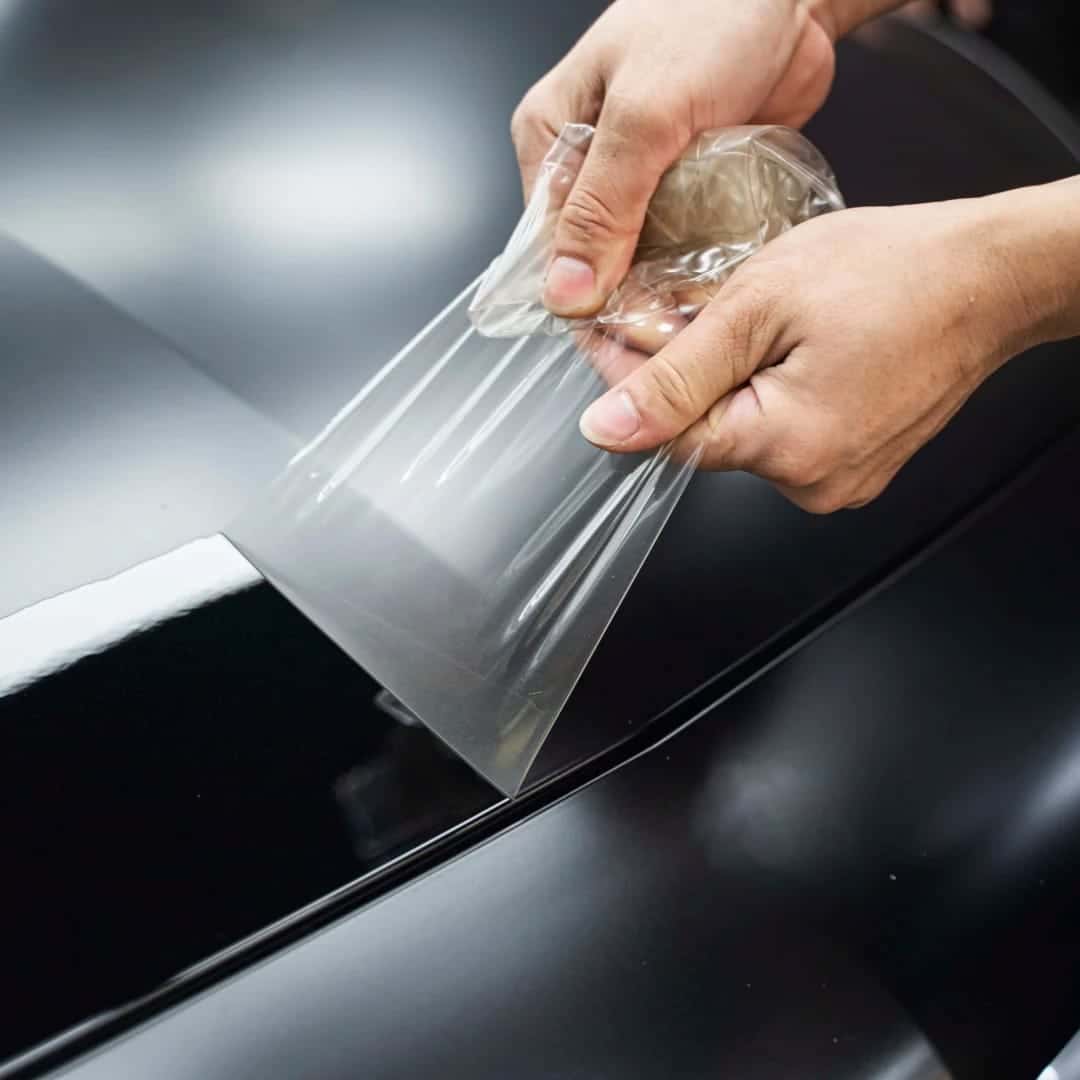

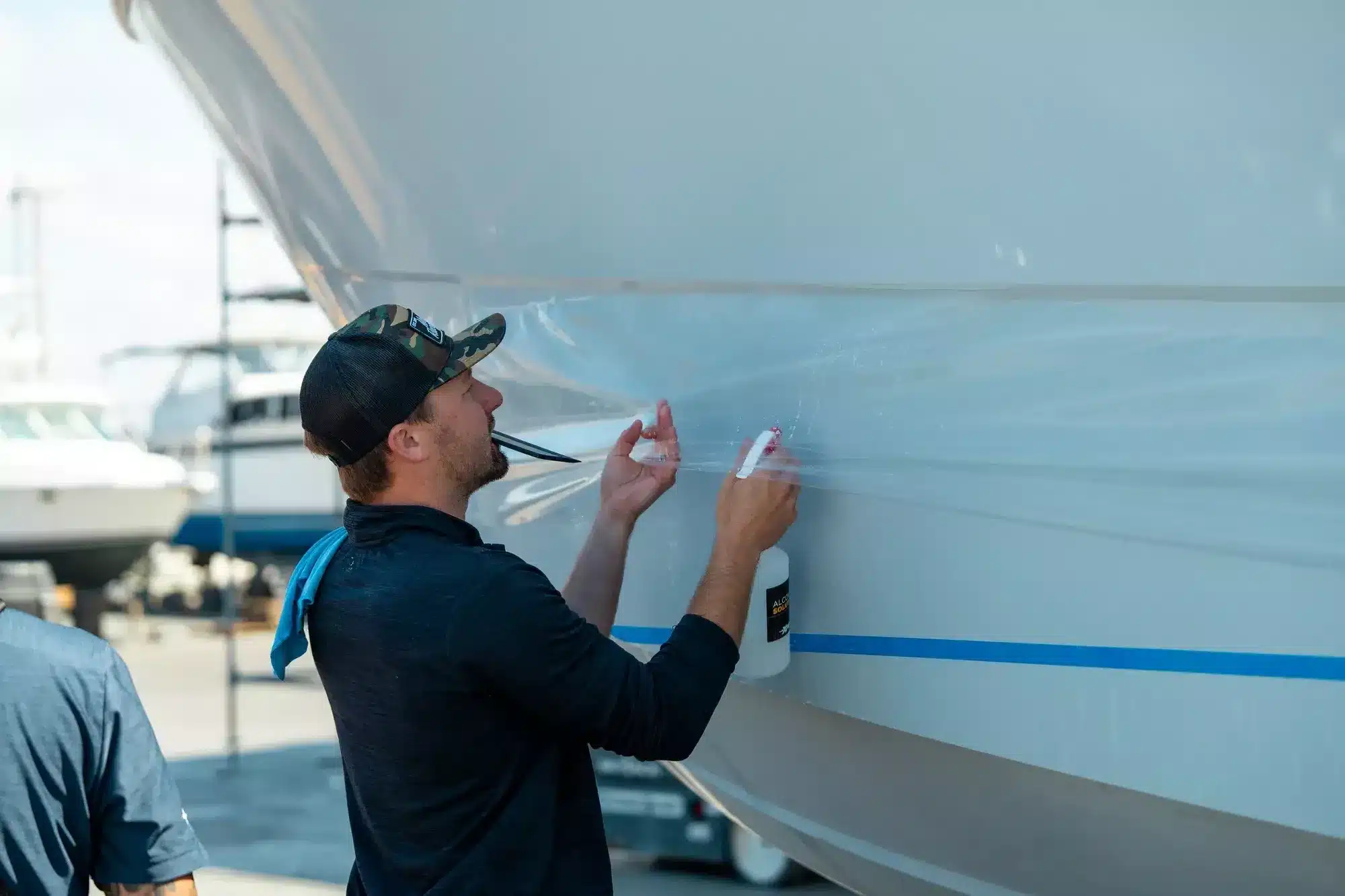
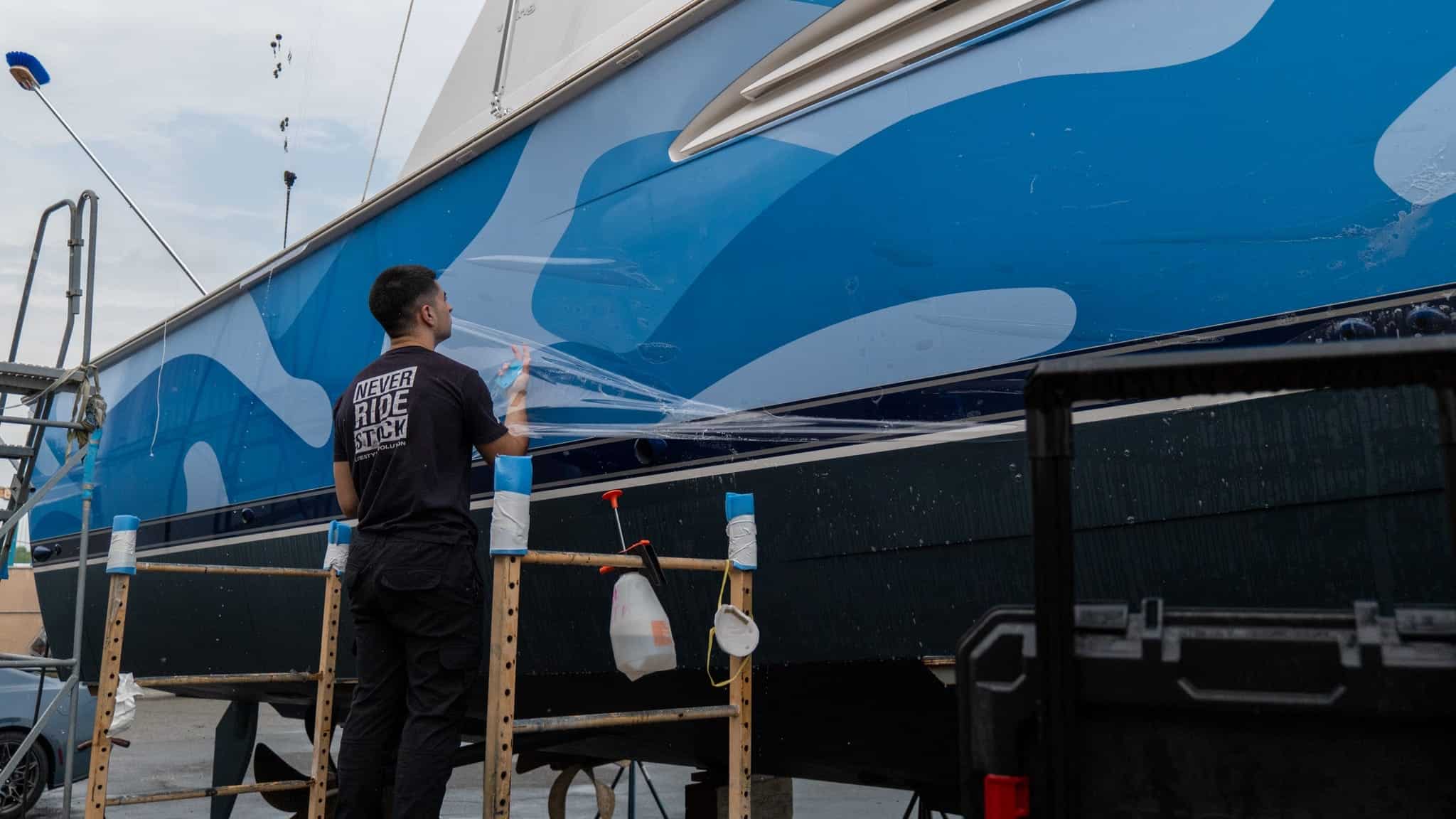

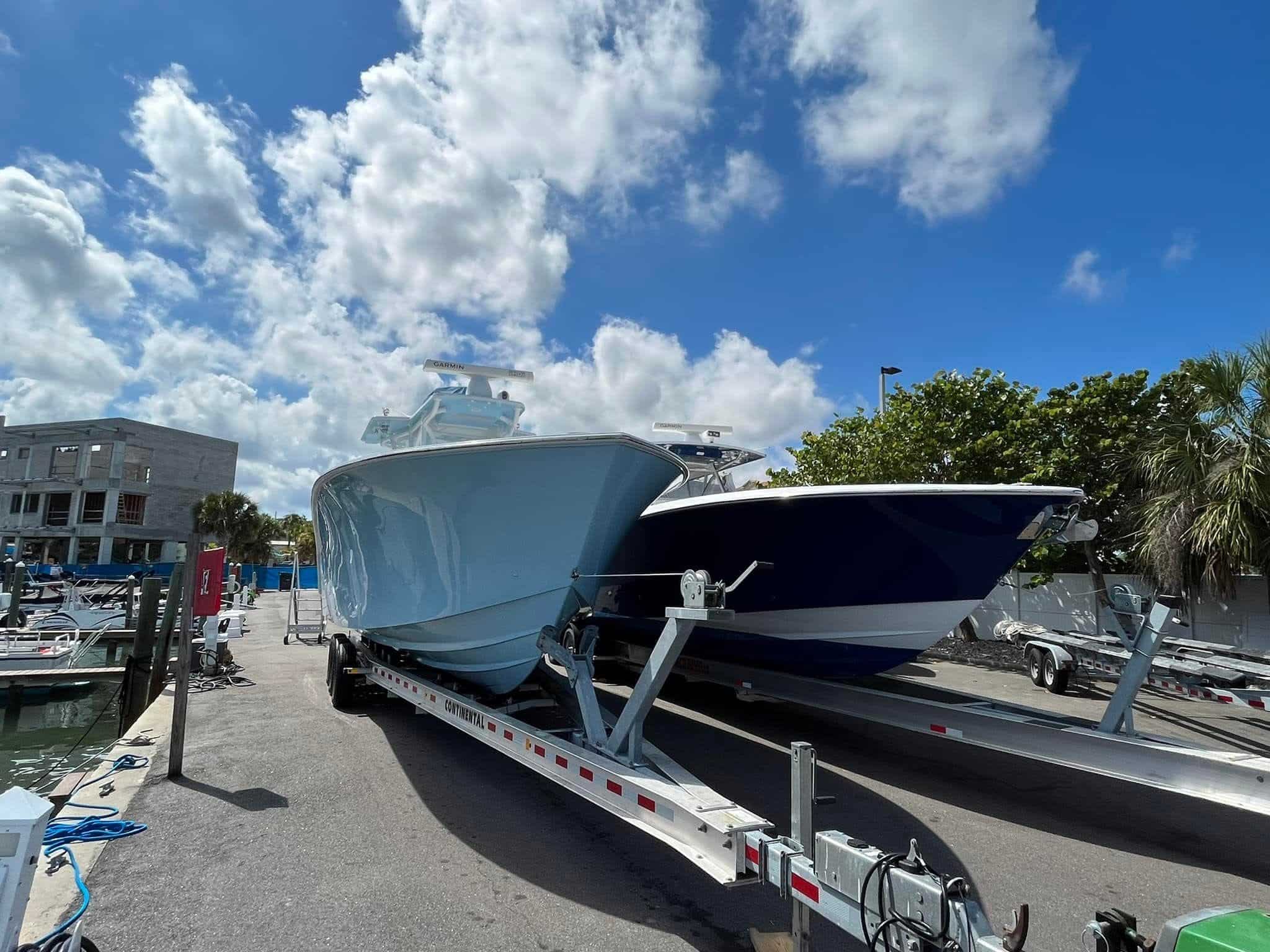


Marine PPF Applications and Surface Compatibility
Marine PPF can be evaluated for selected painted and compatible gelcoat surfaces above the waterline. The appropriate application depends on the film construction, substrate condition, exposure level, and intended service requirements.
Different areas of a vessel experience different combinations of abrasion, moisture, sunlight, cleaning chemicals, and mechanical contact. A film that performs well on a protected painted panel should not automatically be assumed suitable for every part of a boat.
| Marine Application | Potential Application Purpose | Key Considerations |
|---|---|---|
| Hull sides above the waterline | Help protect selected exterior surfaces from cosmetic wear | Surface condition, water exposure, and edge stability |
| Bow and side contact areas | Help reduce cosmetic damage from light contact and abrasion | Actual contact intensity and film suitability |
| Outboard engine cowling | Protect compatible painted or finished exterior surfaces | Surface material, operating temperature, and removal requirements |
| Transom panels | Protect selected finished surfaces | Repeated water exposure and edge adhesion |
| Glossy interior panels | Help preserve compatible decorative finishes | Substrate compatibility and cleaning methods |
| Yacht exterior panels | Help maintain the appearance of selected painted surfaces | Film appearance, installation quality, and maintenance |
| Deck and non-skid surfaces | Requires specific application assessment | Traction, surface texture, and safety requirements |
| Below-waterline hull surfaces | Not a default application for standard PPF | Continuous immersion and antifouling requirements |
For most initial evaluations, prioritize accessible, above-waterline painted surfaces with a stable finish. Confirm the suitability of the selected film through representative sample testing before expanding to larger areas.
Why Boat and Yacht Owners Consider Paint Protection Film
Marine surfaces can experience frequent cosmetic wear during docking, maintenance, cleaning, and regular use. The degree of exposure depends on vessel design, operating conditions, storage, and maintenance practices.
Protection Against Everyday Surface Wear
Contact with fenders, docking equipment, cleaning tools, and surrounding objects can leave marks on painted surfaces. Suitable PPF may help reduce cosmetic damage from light abrasion and routine contact.
Film performance depends on the selected product, installation quality, contact intensity, and the condition of the underlying finish. PPF should not be presented as protection against every impact or deep scratch.
Maintaining Exterior Appearance
Glossy painted surfaces and selected gelcoat finishes may be vulnerable to visible scuffs and surface contamination. A compatible clear film can provide an additional protective layer while retaining the underlying appearance.
Before installation, confirm that the film’s clarity, surface finish, and adhesive system are suitable for the intended substrate.
Supporting Maintenance Programs
For marine detailing companies and yacht maintenance businesses, a suitable film program can complement existing surface care services.
Buyers should evaluate installation requirements, cleaning compatibility, edge behavior, and removal conditions before introducing a film into a recurring maintenance program.
Marine PPF Specifications and Product Options
Marine buyers should evaluate PPF according to the intended application rather than relying on a single specification such as thickness or finish.
FUNO can discuss available TPU PPF options according to the selected product series, target surface, packaging requirements, and purchasing volume. Exact technical specifications should be confirmed for the product under evaluation before samples or bulk orders are approved.
| Specification | What Buyers Should Confirm |
|---|---|
| Base material | TPU material description and available technical documentation |
| Film thickness | Actual nominal thickness and measurement tolerance |
| Surface finish | Available finish options, such as gloss, where offered |
| Topcoat properties | Documented surface characteristics and any applicable self-healing claims |
| Adhesive system | Compatibility with the intended paint or gelcoat |
| Roll dimensions | Available width, length, and packaging configuration |
| Optical appearance | Clarity, gloss consistency, and visible surface defects |
| Environmental performance | Available UV, weathering, water exposure, and related test evidence |
| Adhesion performance | Test method, substrate, and reported results where available |
| Warranty | Applicable product, installation conditions, coverage, and exclusions |
Not every specification or test result is available for every film series. Buyers should request the relevant technical data sheet and supporting documentation for the selected product rather than assume that standard automotive PPF specifications establish marine suitability.
Gelcoat and Painted Surface Compatibility
Gelcoat and marine paint require particular attention when selecting protective film. Different coating systems, surface ages, repair histories, and maintenance treatments can affect adhesion and removal behavior.
A film suitable for one painted hull may not be appropriate for another vessel with a different surface condition.
Before installation, assess the following factors.
- Surface condition: Check for oxidation, chalking, loose coatings, existing damage, and signs of previous repairs.
- Surface preparation: Remove incompatible waxes, polish residues, oils, and other contaminants according to the applicable preparation instructions.
- Adhesive compatibility: Confirm that the adhesive is suitable for the actual coating system.
- Appearance: Evaluate clarity, gloss, texture, and any visible change after application.
- Removal behavior: Assess whether the film can be removed under the recommended conditions without unacceptable effects on the underlying finish.
Newly repaired paint, aged gelcoat, unknown coatings, and surfaces with previous film or adhesive residues deserve additional testing.
FUNO recommends evaluating samples on representative surfaces before approving a larger installation. Do not assume that a film suitable for automotive clear coat will automatically be compatible with every marine coating.
How to Test Marine PPF Before Bulk Ordering
Sample evaluation helps distributors and installers verify product suitability before committing to commercial quantities. For marine projects, the process should address both film performance and the condition of the actual surface.
1. Identify the Target Surface
Specify whether the film will be applied to painted hull panels, gelcoat, an outboard engine cowling, or another finished surface.
Record the surface condition, previous repairs, existing coatings, and relevant environmental exposure.
2. Confirm Film Specifications
Review the available technical data sheet, film thickness, adhesive information, finish, roll dimensions, and any supporting performance documentation.
Identify which requirements are confirmed by test data and which still need practical evaluation.
3. Apply a Representative Sample
Test the selected film on a representative surface using the applicable preparation and installation instructions.
Evaluate handling, conformity, appearance, and edge finishing. Avoid approving an entire project based only on a small sample installed on an unrelated substrate.
4. Evaluate Water and Environmental Exposure
Where relevant, assess the sample under a documented exposure plan that reflects the intended use.
Depending on the project, this may include water exposure, drying cycles, cleaning procedures, sunlight exposure, and observation of edge behavior.
Record the test conditions and results. A short water exposure test does not establish long-term saltwater resistance or marine service life.
5. Check Adhesion, Edges, and Removal
Inspect for edge lifting, bubbles, visible changes, and other signs of incompatibility.
Where removal is part of the evaluation, follow the recommended removal procedure and inspect the underlying surface for residue or damage.
6. Approve the Specification Before Bulk Production
Document the selected product, substrate, application area, approved appearance, packaging, roll dimensions, and applicable quality requirements.
For repeat orders, retain the approved sample and specification record where practical. This helps reduce uncertainty when the same product is ordered again.
Request Marine PPF Samples for Evaluation
Marine PPF vs. Ceramic Coating, Vinyl Wrap, and Antifouling Paint
These products serve different purposes. Selecting the right option depends on the surface, protection objective, maintenance requirements, and operating environment.
| Product | Primary Purpose | Key Considerations |
|---|---|---|
| Marine Paint Protection Film | Adds a physical film layer to selected compatible surfaces | Substrate compatibility, adhesion, edge behavior, and removal |
| Ceramic Coating | Provides a surface treatment intended to modify properties such as water behavior and ease of cleaning | Surface preparation, coating durability, and maintenance |
| Vinyl Wrap | Changes the appearance of selected surfaces and may provide limited surface coverage | Decorative requirements, material suitability, and removal |
| Antifouling Paint | Helps control marine organism attachment on appropriately treated submerged surfaces | Vessel requirements, coating system, and applicable product instructions |
Marine PPF is not a substitute for antifouling paint, structural repairs, or a coating system designed for continuous underwater exposure. Ceramic coatings and vinyl wraps should also not be assumed to provide the same type of physical protection as PPF.
For a vessel requiring both cosmetic surface protection and underwater hull maintenance, each application should be assessed separately.
Marine PPF Coverage Planning for Distributors and Installers
Marine PPF programs can be organized around the type of vessel, target surface, installation requirements, and customer expectations.
Targeted Surface Protection
This approach focuses on selected compatible panels, such as painted outboard engine covers or accessible above-waterline surfaces.
It can provide a practical starting point for sample evaluation and small commercial programs.
Docking and Contact-Area Protection
Selected hull-side and bow areas may be considered where routine contact creates cosmetic wear.
Before recommending a film, evaluate the actual contact intensity and the condition of the surface. Areas exposed to severe impact or continuous abrasion may require a different protection strategy.
Yacht Exterior Surface Protection
Larger yacht projects may involve extensive painted surfaces where appearance consistency and installation quality are important.
Project suppliers should confirm the intended film, approved surface, installation procedure, cleaning requirements, and applicable warranty conditions before specifying the material for a vessel.
These are application-planning directions, not fixed installation packages. The final scope should be determined by the installer and vessel requirements.
OEM and Wholesale Marine PPF Supply
FUNO supports B2B buyers evaluating TPU paint protection film for marine-related product programs. Our cooperation can cover product selection, sample evaluation, specification confirmation, customized packaging, and bulk roll supply.
Product Selection and Specification Confirmation
Buyers can provide their target market, application, existing product reference, technical requirements, and estimated purchasing volume.
This information helps identify suitable available film options for evaluation. Any marine-specific performance requirement should be confirmed against the selected product’s technical documentation and testing scope.
OEM and Private Label Packaging
For distributors and film brands, packaging is part of the commercial product program.
Depending on the project, packaging discussions may cover:
- Brand and product labels
- Roll boxes and outer cartons
- SKU and barcode information
- Multilingual packaging
- Product identification and specification records
Customized packaging requirements should be confirmed before production.
Sample Approval and Repeat Supply
Sample approval establishes the product and application requirements before a larger order is placed.
For repeat orders, buyers should retain the approved specifications, packaging details, and relevant quality requirements. Changes to the film series, dimensions, adhesive system, or packaging should be reviewed before the next order is confirmed.
Learn more about FUNO OEM and Private Label Manufacturing Services.
FUNO Manufacturing and Quality Control
FUNO is the film brand of Hebei Fengao New Materials Co., Ltd., a China-based film manufacturer supplying film products to international markets.
Our wider manufacturing capabilities include TPU casting, optical coating, slitting, inspection, and packaging. These capabilities support film production and supply programs across the company’s product portfolio.
For marine-related orders, manufacturing capability and application suitability should be assessed separately. A production line or general film specification does not, by itself, establish that a product has been validated for long-term marine exposure.
Before placing a bulk order, buyers can discuss the selected product series, available technical documentation, inspection requirements, packaging details, and the evidence needed to evaluate the intended application.
Learn more about FUNO Manufacturing Capability.
Frequently Asked Questions About Marine Paint Protection Film
Can paint protection film be used on boats and yachts?
PPF can be evaluated for selected boat and yacht surfaces, particularly compatible painted surfaces above the waterline. Suitability depends on the film construction, substrate, environmental exposure, and installation requirements. Confirm compatibility through representative testing before wider application.
Is marine PPF suitable for gelcoat?
Some film options may be suitable for selected gelcoat surfaces, but compatibility should not be assumed. Gelcoat condition, surface treatment, adhesive behavior, and removal requirements can affect the result. Test the selected film on a representative surface before approval.
Can marine PPF be used below the waterline?
Do not assume that standard TPU PPF is suitable for continuous underwater exposure. Below-waterline applications require product-specific evidence for the intended immersion conditions. PPF should not be used as a replacement for an appropriate antifouling coating system.
Is marine PPF different from automotive PPF?
The base film technology may overlap, but marine applications can introduce different substrate, water exposure, maintenance, and edge-stability requirements. Automotive PPF specifications alone do not prove suitability for marine use. Buyers should evaluate the selected product against the actual application.
What should distributors test before buying marine PPF in bulk?
Distributors should confirm film specifications, substrate compatibility, appearance, adhesion, edge behavior, cleaning compatibility, and removal conditions. Where relevant, they should also review available UV, weathering, and water-exposure evidence. Test results should be interpreted according to the actual method and conditions.
Does FUNO offer wholesale rolls and OEM marine PPF packaging?
FUNO supports B2B discussions covering available film options, sample evaluation, wholesale roll supply, and OEM or private label packaging. Product availability, specifications, minimum order quantities, and project requirements should be confirmed with FUNO before ordering.
Related Protection Films and Applications
Explore related FUNO product and service pages to compare film options and plan your supply program.
- Paint Protection Film — Explore FUNO’s broader PPF product range.
- Gloss PPF — Review the gloss PPF product direction and available specifications.
- Film Applications — Explore other automotive and architectural film applications.
- OEM and Private Label Services — Review customization, packaging, and supply cooperation options.
Request Marine PPF Samples and Wholesale Pricing
Looking for TPU paint protection film options for boat and yacht surface protection programs?
Tell us your target market, vessel application, surface type, estimated quantity, preferred specifications, and packaging requirements. FUNO can help you review available film options and identify the next steps for sample evaluation and commercial supply.
To help us assess your requirements, include the following information where available:
- Company name and target market
- Buyer type, such as distributor, installer, boat dealer, or marine detailing business
- Intended application and surface material
- Required film specifications or reference product
- Estimated order quantity
- Standard or OEM/private label packaging requirements
- Sample evaluation requirements
Contact us
Related products
Dyed window film is designed for entry-level and price-sensitive automotive tint programs where buyers mainly need darker appearance, privacy, and a simple shade range.
It can provide a practical starting category for markets where product price and straightforward SKU selection are more important than premium heat-control positioning.
Nano carbon window film provides a clean dark appearance and practical heat-control performance for mainstream automotive tint programs.
It is suitable for distributors and installer networks that need a simple shade structure, stable product positioning, and a more accessible price level than premium ceramic lines.
Clear TPU windshield protection film for distributors, installers, and fleet supply programs. Rock chip defense, high optical clarity, roll supply, sample support, and OEM service.
Chameleon window film is a styling-oriented automotive film designed to create color-shifting or angle-dependent visual effects on vehicle glass.
Sputtered window film uses deposition-based film technology for premium solar-control applications. Depending on the series, products can provide different VLT, reflectivity, appearance, and heat-management characteristics.
Nano ceramic window film is positioned for premium automotive tint programs where buyers need strong heat-control performance, a clean low-reflective appearance, multiple VLT options, and compatibility with modern vehicle electronics.
articles & resources







Ready to Launch Your Marine Paint Protection Film Business?
Get Pricing, Samples & Distributor Terms
Tell us your target market, preferred finish (gloss / matte / hydrophobic), and expected volume. We’ll recommend the right Marine Paint Protection Film series, share technical documentation, and provide sampling options so you can evaluate clarity, install feel, and surface performance before scaling.