
Choosing the right paint protection film is no longer as simple as selecting a well-known brand. For car owners, installers, dealers, and automotive film companies, the real question is whether the film can deliver a crystal-clear appearance, provide reliable paint protection, offer consistent installation performance, and ensure long-term durability.
In the paint protection film market, brands such as 3M, XPEL, LLumar, SunTek, and STEK are frequently compared because they are closely associated with vehicle paint protection, self-healing surfaces, stone chip resistance, water-repellent properties, and professional installation support. Official product information from these major brands also indicates that modern paint protection films are typically positioned to protect against stone chips, scratches, stains, road debris, weathering, and minor surface marks.
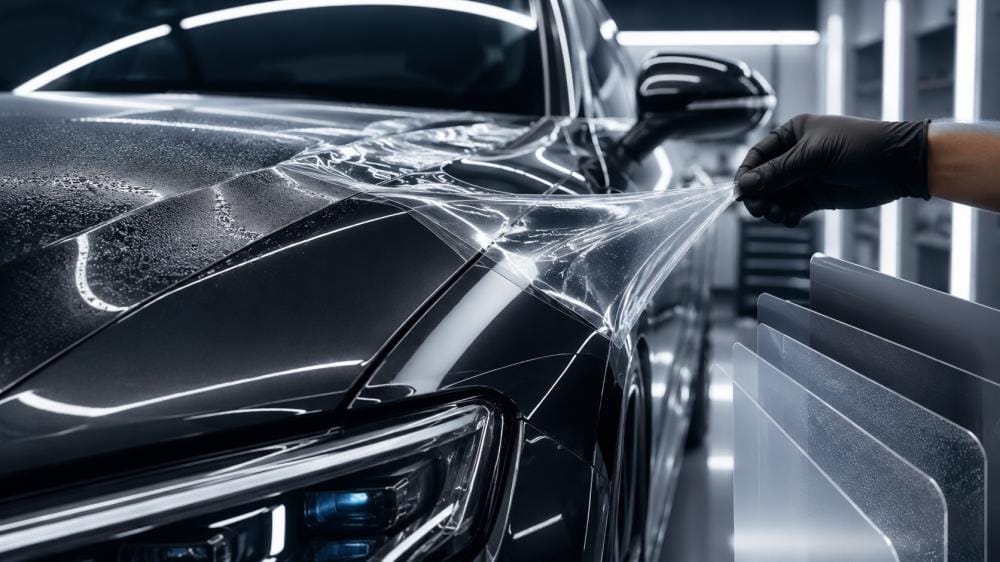
However, for professional buyers—especially installers, importers, distributors, and automotive window film companies—decision-making often involves more in-depth considerations. You also need to compare roll quality, adhesive stability, film consistency, cutting performance, supply capacity, packaging support, and overall procurement costs . For this reason, factory-direct PPF has become a viable alternative for buyers seeking more flexible options than those offered by high-end brand film solutions.
What Makes a Paint Protection Film Brand Worth Choosing?
An excellent paint protection film brand should not only protect the vehicle’s paint from everyday driving damage but also strike a comprehensive balance between appearance, protective performance, installation efficiency, and after-sales support.
The first criterion is optical clarity. A high-quality paint protection film should be nearly invisible once installed, especially on high-gloss paint finishes. If the film appears cloudy, has severe orange peel, or looks uneven, it will diminish the vehicle’s perceived value—even if its protective function is adequate.
The second criterion is self-healing performance. Many high-end paint protection film products can automatically repair minor swirl marks and fine surface scratches when exposed to heat. This feature is crucial for customers who want their vehicles to maintain a clean, glossy appearance over the long term.
The third criterion is yellowing resistance . Paint protection film is continuously exposed to sunlight, rain, road salt, cleaning chemicals, and seasonal temperature fluctuations. If the film yellows too quickly, it will not only lead to customer complaints but also create warranty pressures and reputational risks for installers.
The fourth criterion is adhesive stability . A high-quality adhesive should ensure smooth installation, minimize visible adhesive marks, securely bond the edges, and prevent bubbling or peeling under normal use. For professional installers, the performance of the adhesive directly affects installation time and the final surface quality.
The fifth criterion is consistency in supply. For distributors and installation companies, a single instance of good performance is not enough. Each roll of product must maintain consistent quality across different batches, as inconsistent quality leads to unpredictable installation results and increases service costs.
Top Paint Protection Film Brands Commonly Compared in the Market
For every buyer, there is no single “best” paint protection film that fits all. Luxury car owners, local installers, distributors, and private-label buyers may all require different solutions. The table below provides a practical comparison of paint protection film (PPF) options from well-known brands and factory-provided alternatives.
| PPF Options | Market Position | Core Advantages | Points for Buyers to Note |
|---|---|---|---|
| 3M Paint Protection Film | A world-renowned global automotive film brand | High brand recognition with a network of professional installers | Service quality of local installers, available film series, warranty terms, and installation costs |
| XPEL Paint Protection Film | A premium PPF brand widely favored by professional installers | Renowned in the fields of self-healing paint protection film and patterned installation systems | Price range, local service support, installer certification, and film types |
| LLumar Paint Protection Film | A professional automotive film brand with a wide product range | Renowned in the automotive film industry for its surface finish and dealer support | Regional availability, installer experience, film warranty, product lineup |
| SunTek Paint Protection Film | A paint protection film choice highly favored by installers | Balanced protective performance, surface treatment options, and positioning as a self-healing film | Coating performance, stain resistance, ease of roll handling, and local supply support |
| STEK Paint Protection Film | High-end visual appeal and specialty film options | Hydrophobic surface, high-gloss finish, special colors, and surface treatments | Pricing, local availability, installer experience, and warranty details |
| OEM-Supplied Paint Protection Film | Flexible Procurement Solutions for Installers, Distributors, and Private-Label Buyers | OEM support, roll stock supply flexibility, cost control, and private-label potential | Sample testing, quality control systems, adhesive stability, batch consistency, and communication support |
This comparison is not intended to imply that one brand is always superior to another, but rather to match PPF options with the buyer’s actual operational needs.
Car owners may place greater emphasis on trusted local installers and warranty registration; installers may focus more on installation results, rework rates, and customer satisfaction; distributors may prioritize roll stock supply, regional pricing, packaging, and long-term partnerships; while private-label buyers may place greater importance on production consistency, customization, and repeatable quality.
Why a Brand Name Alone Is Not Enough
A brand name can boost customer confidence, but it should not be the sole factor in decision-making. Paint protection film is a technical material, and its final performance depends on the film structure, adhesive system, topcoat, the installer’s skill, the vehicle’s surface preparation, climatic conditions, and maintenance habits.
Even within the same brand, different product lines may be offered for different markets or price ranges. Customers may have heard of a well-known brand, but the actual results still depend on which specific film is used and the quality of the installation.
For professional installers, the installation process is particularly important. If the film is too stiff, too soft, too sticky, or difficult to stretch, it will slow down installation and increase waste. Even if the film looks good after installation, poor edge stability can still lead to problems down the line.
For distributors and importers, supply stability is just as important as brand recognition. If there are quality fluctuations between batches of film, it becomes difficult to consistently and reliably serve local installers. If packaging, delivery times, or communication are inconsistent, business risks increase.
This is why serious buyers should test PPF based on actual performance rather than relying solely on marketing claims.
Optical Clarity and Gloss
Paint protection film should preserve the appearance of the original factory paint. For high-gloss vehicles, the film should enhance visual depth without causing a hazy appearance. For dark-colored vehicles, transparency is particularly important, as cloudiness, adhesive marks, and surface texture become more noticeable.
For installers, optical transparency also affects customer satisfaction at the time of vehicle delivery. A high-quality finish helps better demonstrate the value of the installation.
Self-Healing Surface
The self-healing feature is one of the most widely recognized characteristics of modern PPF. It helps minimize fine scratches and swirl marks caused by car washes, wiping, or everyday surface contact.
However, buyers should be aware of its limitations. The self-healing feature typically applies only to minor surface marks and does not work on deep scratches or severe physical damage. Clear explanations help installers manage customer expectations and reduce post-sale disputes.
Yellowing Resistance
Yellowing resistance is critical in environments with abundant sunlight, heat, humidity, or winter road conditions. Vehicles are exposed to UV rays, road grime, salt, chemicals, and temperature fluctuations. Window films with poor yellowing resistance will quickly lose their aesthetic appeal.
For dealers, complaints about yellowing can result in significant financial losses. This not only undermines installers’ trust in the brand but also increases pressure to replace the product.
Adhesive Stability
Adhesive performance affects both the installation result and long-term appearance. A high-quality adhesive should enable precise positioning, a secure bond, and edge stability without leaving excessive adhesive residue.
Installers should test the film on curved surfaces, corners, bumpers, side mirrors, and areas subject to high tension. These areas help verify whether the adhesive and TPU layer can withstand the stresses encountered during actual installation.
Stain Resistance and Chemical Resistance
PPF is exposed to bird droppings, insect residue, fuel stains, road tar, tree sap, car wash chemicals, and environmental pollutants. Stronger stain resistance helps keep the vehicle clean and reduces maintenance requirements.
In regions with icy roads during winter, resistance to road salt and road grime is also crucial. Buyers operating in Canada, Northern Europe, mountainous areas, or harsh driving environments should pay particular attention to this factor.
Roll Consistency
For businesses purchasing PPF in bulk, roll consistency is critical. Each roll should exhibit similar gloss, thickness, tack, surface smoothness, and installation performance.
Suppliers who cannot guarantee batch consistency pose a risk to installers and distributors. A single roll of high-quality sample is not enough. Professional buyers should test multiple rolls of the product and verify its long-term consistency.
Best PPF Choices for Different Buyer Types
Different types of buyers should make different decisions. Car owners and distributors have different motivations for purchasing paint protection film.
| Buyer Type | Best Choice | Reason |
|---|---|---|
| Individual Car Owners | A trusted local installer using proven PPF | Installation quality and local warranty support are most important |
| Professional Installers | A reliable supplier of paint protection film rolls | Consistent film performance, minimal waste, and reliable profit margins are crucial |
| Auto Detailing Shops Expanding into Paint Protection Film | Films that have been sample-tested and come with technical support | Shops need practical film materials, training support, and manageable trial costs |
| Distributors or importers | PPF suppliers with manufacturer support | Supply capacity, packaging, documentation, and long-term partnerships are crucial |
| Private-label buyers | OEM paint protection film manufacturers | Require customized branding, packaging, labels, and solutions aligned with market positioning |
| High-end auto detailing shops | High-transparency TPU paint protection film | Visual appeal and customer trust are top priorities |
For this reason, the question of “the best PPF brand” should always be considered in the context of the buyer’s specific circumstances. What’s the best choice for a luxury car owner may not necessarily be the best choice for a distributor looking to build a long-term window tinting business.
3M Paint Protection Film: Strong Brand Recognition
3M is one of the most recognizable brands in the automotive film and surface protection materials industry. For many car owners, the name 3M immediately instills a sense of trust, as the brand is widely known across various materials and protection categories.
The 3M Scotchgard Paint Protection Film Pro Series is designed to protect against scratches, stone chips, weathering, and minor surface damage. 3M also places special emphasis on its self-healing technology and the professional installation services provided through authorized installers.
For car owners, 3M’s brand recognition and professional installation channels are highly appealing. For installers and dealers, key considerations include local supply channels, pricing, film series, warranty processing, and whether the brand’s program aligns with their business model.
XPEL Paint Protection Film: Recognized by High-End Installers
XPEL is often regarded as synonymous with high-end paint protection film and professional installation. Many installers and car owners recognize XPEL for its strong market presence in paint protection film, window tint, ceramic coatings, and its model-based installation ecosystem.
XPEL describes its automotive paint protection film as a self-healing film designed to protect vehicles from stone chips, scratches, and wear and tear. Some XPEL film products are also marketed as having a water-repellent top layer, which facilitates cleaning and surface maintenance.
XPEL is particularly attractive to high-end repair shops because customers may already be familiar with the brand. For buyers comparing procurement options, key considerations include cost, local support, profit margins, and whether the business requires a premium brand program or a more flexible supply model.
LLumar Paint Protection Film: Professional Automotive Film Channel
LLumar is a well-known brand in the automotive and architectural film markets. For customers seeking an established film brand with dealer support and a broad product range, LLumar is often their top choice.
LLumar’s official brand messaging positions its paint protection film as a solution designed to help vehicle paintwork maintain a like-new appearance, while the broader LLumar automotive film product line emphasizes quality, durability, and performance advantages.
For car owners, the brand may be particularly appealing if there is a professional LLumar dealer in their area. For installers and distributors, buyers should compare the film’s surface finish, warranty coverage, roll availability, and dealer program requirements.
SunTek Paint Protection Film: Balanced Protection and Finish Options
SunTek is often held up as the benchmark in the PPF market because its paint protection films effectively resist road hazards, surface scratches, bird droppings, and stone chips, while keeping the vehicle’s paintwork looking as good as new.
SunTek describes its paint protection film as a self-healing film that offers a variety of unique surface finishes designed to withstand damage from stone chips, surface scratches, bird droppings, and other debris. The brand has also incorporated advanced film technology into select products in its paint protection film lineup.
For installers, SunTek is worth considering when weighing brand recognition, surface finish quality, and installation performance. However, before making a decision on bulk purchases, buyers should test the film’s coating performance, adhesion, stain resistance, and the stability of local supply.
STEK Paint Protection Film: The Allure of High-Gloss and Specialty Films
STEK is widely recognized for its visual appeal, hydrophobic coating, and specialty paint protection film options. Buyers who prioritize appearance, surface smoothness, gloss depth, and unique film designs often discuss this brand.
STEK’s DYNOshield product information highlights its glossy finish, hydrophobic properties, stain resistance, self-healing capabilities, and warranty coverage for common film defects such as peeling, yellowing, bubbling, and cracking.
STEK is particularly appealing to shops serving appearance-conscious customers. For distributors, key considerations include regional availability, cost structure, installer acceptance, and whether specialized surface treatments meet local demands.
Factory-Direct PPF: A Practical Alternative for Installers and Distributors
High-end PPF brands are not the only option. For installers, distributors, importers, and automotive film companies that require more flexible procurement channels, factory-direct PPF may be a practical alternative.
Factory-direct PPF is particularly useful when buyers have the following needs:
- More controllable procurement costs
- Stable roll supply
- OEM and private-label packaging
- Flexible product lineup
- Sample testing prior to bulk orders
- More favorable profit margins
- Direct communication with the manufacturer
- Customized support tailored to local market needs
This does not mean that factory-supplied PPF should replace all premium brand products. Rather, it offers professional buyers an alternative path. If the film passes sample testing, installation testing, and long-term performance evaluations, it can become a powerful option for shops and distributors looking to establish their own competitive edge in the market.
When Factory-Direct Paint Protection Film Becomes a Better Choice
When your business model relies on sales volume, flexibility, and brand control, factory-direct paint protection film may be the better choice.
If you’re an installer, you’ll likely want a paint protection film that installs smoothly, minimizes waste, and delivers a reasonable profit margin. If you’re a distributor, you’ll likely need stable supply and packaging support. If you’re an importer, you’ll likely need a manufacturer that can provide documentation, product labeling, and shipping logistics. If you’re building your own brand, you’ll likely need private-label rolls, sample kits, and a stable, long-term partnership.
In these situations, the “best PPF” isn’t always the most well-known brand. Rather, it’s the film that provides your business with consistent quality, predictable supply, and a clear path to customer satisfaction.
What to Test Before Purchasing PPF Rolls in Bulk
Before purchasing paint protection film rolls in bulk, professional buyers should request samples and test them under actual installation conditions.
| Test Items | Testing Criteria | Why It Matters |
|---|---|---|
| Gloss and Transparency | Check for haze, orange peel, and visual depth | Affects vehicle appearance and customer satisfaction |
| Tensile Properties | Test bumpers, side mirrors, curved surfaces, and edges | Verify whether the film can adapt to complex installation areas |
| Adhesion | Check repositioning, adhesive residue, and edge adhesion | Affects installation time and long-term stability |
| Self-healing Effect | Tests for minor surface scratches after heat exposure | Helps verify surface recovery performance |
| Stain Resistance | Tests the effects of water, road grime, and common contaminants | Reduces post-sale complaints |
| Cutting Compatibility | Tests performance during plotter cutting and manual trimming | Critical for installers and retailers |
| Edge Stability | Monitors edge curling after installation | Verifies the reliability of the adhesive and film structure |
| Batch Consistency | Compares multiple rolls or sample batches | Critical for distributors and repeat customers |
| Packaging Quality | Inspects roll protection measures and labels | Reduces shipping damage and enhances resale presentation |
| Supplier responsiveness | Evaluates communication and technical support | Critical for long-term partnerships |
This testing process helps buyers make evidence-based decisions rather than relying solely on brand reputation or price.
FUNO as a Factory-Direct PPF Option
FUNO provides paint protection film to installers, distributors, importers, and automotive film companies that require a stable supply of rolls and flexible partnerships.
We specialize in TPU paint protection film rolls, including glossy paint protection film, matte paint protection film, colored paint protection film, and windshield protection film. Our supply model is specifically designed for buyers who wish to test and compare film performance using physical samples before placing bulk orders.
FUNO offers the following support:
- TPU paint protection film roll supply
- Glossy Paint Protection Film
- Matte Paint Protection Film
- Colored Paint Protection Film
- Windshield Protection Film
- OEM and Private Label Packaging
- Custom Labels and Branded Packaging
- Samples provided for installation testing
- Direct communication with the factory
- Export supply to global buyers
For companies looking to build their own PPF product line, direct supply from the factory offers greater flexibility in product selection, brand presentation, and long-term cost control.
Why Installers and Distributors Compare Factory Alternatives
Installers and distributors compare factory alternatives because competition in the paint protection film (PPF) market is becoming increasingly fierce. Customers expect high gloss, a clean installation, long-lasting protection, and reasonable prices. While ensuring profitability, shops still need to provide film products that customers can trust.
OEM PPF options help buyers create a more flexible product portfolio. Rather than relying solely on high-end brand films, they can test other film options, develop private-label packaging, and serve different customer segments.
This is particularly useful in the following scenarios:
- Car detailing shops adding PPF services
- Auto detailing shops expanding their film services
- Importers expanding local PPF distribution channels
- Automotive window film wholesalers
- Private-label automotive films
- Installers targeting price-sensitive customers
- Businesses seeking alternative roll stock suppliers
The key is not to choose the cheapest automotive film, but to select one that has undergone rigorous testing and demonstrates excellent performance in light transmission, adhesion stability, self-healing properties, stain resistance, and batch consistency.
How to Choose Between Premium Brands and Factory-Direct PPF
This shouldn’t be viewed as a simple choice between “brand” and “factory.” Many professional companies select different PPF solutions based on varying customer needs.
For customers who specifically request a well-known brand and wish to receive local warranty support from that brand, premium brand films may be more suitable. For businesses seeking OEM control, flexible pricing, private-label packaging, and direct supply partnerships, factory-direct PPF may be a better fit.
The best approach is to build a product portfolio:
| Business Needs | Best Course of Action |
|---|---|
| Customers explicitly specify a well-known brand | Offer premium-brand paint protection film when in stock |
| Retailers want greater control over profit margins | Try factory-direct paint protection film rolls |
| Distributors want their own private label | Partner with OEMs or private-label PPF manufacturers |
| Installers want flexible film options | Compare samples from different suppliers |
| The market demands a lower entry price | Offer tested, original equipment manufacturer (OEM) paint protection film as an economical option |
| High-end car owners’ customers need brand trust | Choose well-known paint protection film brands with strong local support |
| Business expansion requires a stable supply | Establish direct partnerships with manufacturers |
This model provides greater flexibility for your business. You don’t have to rely on a single paint protection film supplier to serve high-end customers, cost-conscious customers, and wholesale customers simultaneously.
Common Mistakes When Comparing Paint Protection Film Brands
A mistake many buyers make is comparing paint protection films based solely on brand name or price. While both are important, neither provides a complete picture of the product.
Misconception 1: Choosing Based Solely on Brand Name
While well-known brands can alleviate customer hesitation, they do not automatically guarantee the best results in every market. Installation quality, the film series, installer training, and after-sales service remain key factors.
Mistake 2: Choosing Based Solely on Low Price
While low prices are certainly tempting, poor-quality screen protectors can lead to higher hidden costs. Reinstallations, complaints, peeling edges, yellowing, and customer refunds can result in losses far exceeding the initial savings.
Mistake 3: Neglecting Adhesive Performance
Adhesion issues typically become apparent during installation or after delivery. Before placing bulk orders, buyers should test for adhesive residue, edge adhesion, repositionability, and conformability to curved surfaces.
Mistake 4: Failing to Test Samples
Website descriptions or sales promotions cannot replace actual testing. Before making a purchasing decision, installers should test the film by applying it to real vehicle panels, curved surfaces, bumpers, and side mirrors.
Mistake 5: Neglecting Long-Term Supply Capability
A film that has performed well in the past must maintain consistent performance across multiple orders. Distributors should evaluate the supplier’s production capacity, packaging quality, shipping communication, and quality control processes.
Frequently Asked Questions
What are the top paint protection film brands?
Paint protection film brands that are frequently compared include 3M, XPEL, LLumar, SunTek, and STEK. These brands are often mentioned because they enjoy high market visibility in the automotive film industry. However, the best choice depends on your role, budget, installation requirements, and supply model.
Is 3M paint protection film better than XPEL?
Both 3M and XPEL are well-known paint protection film brands, but not every buyer compares them in the same way. Car owners may be more concerned with the reputation of local installers and warranty support, while installers may compare the film’s workability, adhesion performance, pattern support, and price. Which option is better ultimately depends on the specific installation circumstances and business needs.
Can OEM paint protection film serve as a good alternative to premium brand films?
Once factory-supplied PPF has been tested using actual samples, it can be a good option for installers, distributors, importers, and private-label buyers. Before purchasing in bulk, buyers should inspect its transparency, self-healing properties, adhesive stability, stain resistance, cutability, and batch consistency.
What tests should installers perform before purchasing PPF rolls?
Installers should test gloss, transparency, tensile strength, adhesion, edge stability, self-healing performance, stain resistance, cutting compatibility, and installation performance on curved panels. Actual installation testing is more reliable than making judgments based solely on price or product photos.
Which paint protection film is best suited for Canadian climate conditions?
For Canadian climate conditions, buyers should focus on resistance to yellowing, adhesive stability, stain resistance, resistance to road de-icing salt corrosion, protection against gravel impact, and low-temperature installation performance. The best choice should be based on testing under local driving and installation conditions.
Before placing your next bulk order, please contact FUNO to compare the different paint protection film options.
Satin PPF combines paint protection with a softer low-gloss appearance positioned between traditional gloss and matte finishes. It is suitable for premium styling and protection programs.
Colored PPF combines visible color change with a protection-oriented TPU film structure. It is suitable for distributors and installer networks building styling-focused PPF product lines.
Matte PPF provides paint protection with a low-gloss finish. It can help preserve factory matte paint or create a more understated appearance on compatible painted surfaces.
Clear gloss TPU PPF designed to protect vehicle paint while maintaining a bright OEM-style finish. Suitable for mainstream installer programs, premium detailing channels, distributors, and private label PPF lines.
Related Posts



Contact FUNO
Tell us your target market, product category, preferred specification, estimated purchasing volume, and whether you need standard or private label supply.
FUNO can help you narrow suitable film options, sample requirements, packaging needs, and the next step toward bulk purchasing.