
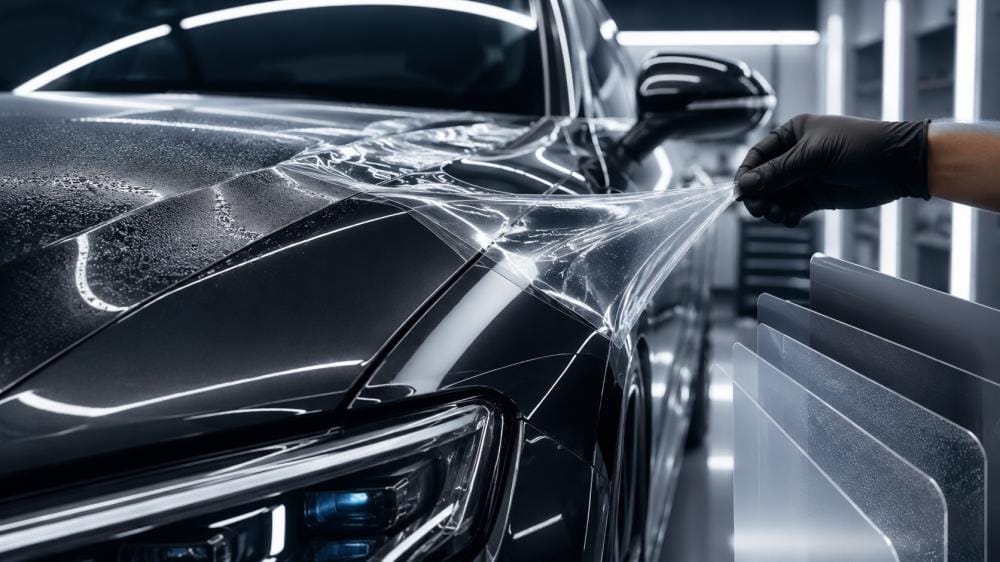
Matte PPF, or matte paint protection film, is a low-gloss paint protection film designed to protect automotive paint while creating a matte, satin, or stealth-style appearance. It helps reduce the visual reflection of glossy paint and protects the surface from common road and daily-use damage.
As a paint protection film manufacturer, we see matte PPF as both a protection product and an appearance decision. Buyers do not choose it only for scratch resistance or stone chip protection. They choose it because the final surface finish changes how the vehicle looks, how it is maintained, and how the product should be positioned in the market.
What Is Matte PPF?
Matte PPF is a matte-finish version of paint protection film. It is installed over exterior vehicle paint to reduce gloss, soften reflections, and create a lower-reflectivity surface while still keeping the protective function of PPF.
In manufacturing and product development, matte PPF is usually evaluated from three angles:
Surface appearance
Protective performance
Installation and maintenance behavior
A good matte PPF should not only look flat or low-gloss after installation. It should also keep stable clarity, controlled surface texture, reliable adhesive behavior, and consistent finish from roll to roll.
This is why matte PPF is different from ordinary gloss PPF. Gloss PPF is mainly used to protect the original high-shine paint finish. Matte PPF is used when the buyer wants paint protection and a deliberate low-gloss appearance at the same time.
What Matte PPF Protects Against
Matte PPF is still a paint protection film. Its visual finish is different, but its core role remains surface protection.
From our manufacturing and sample evaluation experience, buyers usually expect matte PPF to help reduce damage from:
Stone chips and road debris
Light abrasions and surface scuffs
Wash-related marks
Bug splatter and road contamination
Weather exposure and daily-use surface aging
Minor surface scratches, depending on the selected top coat system
Many matte PPF products are designed with a self-healing top coat by series. This means light swirls or micro-scratches may reduce when the film surface is exposed to heat. However, buyers should understand this correctly. Self-healing is not a repair solution for deep cuts, sharp impact damage, or poor installation handling.
For distributors and installer networks, this point matters. Matte PPF should be sold as a protection and finish-control product, not as an unlimited damage-proof layer.
Matte PPF Is Also an Appearance Product
Matte PPF changes the visual language of a vehicle.
On a gloss vehicle, matte PPF can reduce shine and create a stealth-style look without repainting the car. On factory matte paint, matte PPF helps protect the original low-gloss appearance without turning the surface glossy.
This difference is important for sales teams, installers, and distributors. Customers may ask for “PPF,” but they may actually expect a specific finish result. If the finish expectation is not explained clearly before installation, the customer may choose the wrong film type.
In our factory discussions with buyers, we usually separate the question into two parts:
Do you want to protect the original paint finish?
Do you want to change the visual finish of the vehicle?
If the customer wants to keep a glossy look, gloss PPF is usually the right direction. If the customer wants a lower-gloss or stealth effect, matte or satin PPF should be considered.
Matte vs Satin: What Is the Difference?
Matte and satin PPF are close, but they are not exactly the same.
Matte PPF has a flatter, lower-reflection surface. It creates a more subdued and stealth-style appearance. It is often chosen when the buyer wants a stronger matte effect or wants to protect factory matte paint.
Satin PPF has slightly more sheen than matte PPF. It still reduces glare compared with gloss PPF, but it keeps more visual depth and softness. Many premium vehicle styling markets prefer satin because it looks refined without becoming fully flat.
| Finish Type | Visual Effect | Best Use | Market Position |
|---|---|---|---|
| Gloss PPF | High-gloss clear finish | Protecting OEM gloss paint | Mainstream paint protection |
| Matte PPF | Lower-gloss matte effect | Factory matte paint protection or stronger matte conversion | Premium low-gloss protection |
| Satin PPF | Soft low-gloss finish | Gloss-to-stealth conversion and refined styling | Easier commercial acceptance in premium channels |
| Colored PPF | Color effect plus protection | Vehicle restyling and visual differentiation | Styling-driven product line |
For distributors, this comparison is useful because it helps build a clear product ladder. Matte, satin, gloss, and colored PPF should not be mixed into one unclear category. Each finish should have its own role in the product line.
When Matte PPF Is the Right Choice
Matte PPF is the right choice when the customer wants paint protection and a low-gloss finish.
It is especially suitable for:
Factory matte paint protection
Gloss-to-matte vehicle conversion
Stealth-style vehicle appearance
Premium car styling packages
Full body wraps
Selected panel protection
Film brands building a low-gloss PPF series
For factory matte paint, the main purpose is preservation. The film should protect the original finish without making the surface look glossy.
For gloss vehicles, the main purpose is transformation. The film gives the vehicle a matte or stealth-style look while adding paint protection.
These are two different sales conversations. A good product page, sales script, or dealer catalog should make this distinction clear.
What Buyers Should Check Before Choosing Matte PPF
Matte PPF should not be selected only by looking at a small sample under showroom light. Buyers should test the film from both appearance and installation angles.
As a manufacturer, we recommend checking the following points before bulk purchasing:
| Evaluation Point | Why It Matters |
|---|---|
| Finish consistency | Matte surfaces make batch variation more visible |
| Surface texture | Affects appearance, cleaning, and customer perception |
| Film clarity | Important when protecting original vehicle color |
| Adhesive behavior | Affects repositioning, installation speed, and edge stability |
| Stretchability | Helps installers handle curved panels |
| Self-healing performance | Reduces visible light swirls by series |
| Hydrophobic behavior | Supports easier cleaning and water behavior control |
| Anti-stain performance | Important because matte surfaces cannot be polished like gloss paint |
| Roll quality | Reduces installation waste and dealer complaints |
| Packaging direction | Supports brand presentation and distributor sales |
The most important point is this: matte PPF is less forgiving than gloss PPF in customer perception. Oil marks, water behavior, uneven cleaning, or inconsistent texture may be more noticeable on matte surfaces. That is why sample testing is important before bulk orders.
Is Matte PPF Harder to Maintain?
Matte PPF can require more careful maintenance than gloss PPF because the surface does not behave like a polished glossy clear coat.
Gloss surfaces can often hide certain marks through reflection. Matte surfaces are different. Oil marks, dust, water spots, and cleaning patterns may appear more visible depending on color, lighting, and top coat behavior.
From our manufacturing experience, black vehicles usually show matte surface behavior more clearly than white, grey, or silver vehicles. Deep colors often reveal dust, hand marks, and water behavior faster. Lighter colors are generally easier for many customers to maintain visually.
This does not mean matte PPF is difficult to sell. It means distributors and installers should explain proper care before installation.
Basic care guidance should include:
Wash with suitable car wash products
Avoid aggressive polishing compounds
Avoid waxes that may change the matte appearance
Clean contamination early
Test coating or maintenance products before applying widely
Follow installer and product care recommendations
Can Ceramic Coating Be Used on Matte PPF?
Ceramic coating can be used on matte PPF when the coating system is suitable for matte or satin surfaces.
The purpose should not be to create more gloss. The purpose is usually to improve cleaning behavior, contamination resistance, and daily maintenance. If the wrong coating is used, it may change the surface appearance or add unwanted shine.
For distributors and installers, this is a practical training point. Matte PPF maintenance products should be selected carefully. Before offering coating as an add-on service, test the coating on the selected matte PPF sample and confirm the final appearance.
Matte PPF for Distributors and Film Brands
For distributors, matte PPF is not only a single SKU. It can become a premium product line.
A practical low-gloss PPF program may include:
Clear Matte PPF
Stealth or Satin PPF
Matte Black PPF
Selected low-gloss color options
Sample rolls for installer testing
Dealer training material
Private label packaging
Care instructions for end users
This structure helps buyers separate different finish levels and price positions. It also makes the product easier for installers to explain to customers.
For private label programs, matte PPF should be positioned carefully. The product name, roll label, sample book, and sales material should clearly explain whether the film is matte, satin, stealth, or colored. Clear naming reduces misunderstanding and improves installer confidence.
Manufacturer View: Why Sample Testing Matters
As a PPF manufacturer, we do not recommend judging matte PPF only from catalog claims.
The right process is sample-based evaluation. Buyers should install sample pieces, test them on different vehicle colors, check them under outdoor light, and compare installation behavior before placing bulk orders.
For matte PPF, sample testing should focus on:
White vehicle appearance
Black vehicle appearance
Grey or silver vehicle appearance
Surface texture under strong light
Edge behavior after installation
Water behavior after washing
Oil mark visibility
Stretch and recovery on curved panels
Installer feedback
Packaging and roll handling
This process gives buyers a more realistic view of product performance. It also helps avoid mismatches between the film, market expectation, and installer skill level.
Matte PPF vs Gloss PPF: Which One Should You Choose?
Choose gloss PPF when the customer wants to keep the original glossy paint appearance and focus mainly on protection.
Choose matte PPF when the customer wants a low-gloss finish, wants to protect factory matte paint, or wants to convert a gloss vehicle into a stealth-style appearance.
Choose satin PPF when the customer wants something between gloss and matte. Satin often works well for markets that prefer a premium soft finish but do not want a fully flat matte look.
There is no single best finish for every market. The right choice depends on vehicle color, customer taste, installer ability, price positioning, and maintenance expectation.
FAQ
Is matte PPF the same as satin PPF?
Not exactly. Matte PPF has a flatter and lower-gloss appearance. Satin PPF keeps slightly more sheen and gives a softer premium look.
Can matte PPF be applied on a gloss car?
Yes. Matte PPF can be applied on gloss paint to create a matte, satin, or stealth-style appearance while adding paint protection.
Can gloss PPF be used on factory matte paint?
It can be applied, but it is usually not the preferred option when the goal is to keep the original matte appearance. Gloss PPF may change the visual finish. Matte or satin PPF is usually selected for factory matte paint protection.
Is matte PPF harder to maintain than gloss PPF?
Matte PPF can show oil marks, dust, and water behavior differently from gloss PPF. Hydrophobic and anti-stain performance should be tested before bulk orders.
Does matte PPF self-heal?
Some matte PPF series include a self-healing top coat for light swirls and micro-scratches. Self-healing performance depends on the selected product structure and should be confirmed through sample testing.
What should buyers test before ordering matte PPF rolls?
Buyers should test finish consistency, surface texture, adhesive behavior, stretchability, hydrophobic performance, anti-stain behavior, installation feel, and appearance on different vehicle colors.
Conclusion
Matte PPF is both a paint protection film and a finish-control product. It protects vehicle paint while creating a low-gloss, satin, or stealth-style appearance.
For end users, the value is paint protection plus a more distinctive vehicle look. For distributors and film brands, the value is a premium product category that can expand the PPF product line.
From a manufacturer’s perspective, the key is not only whether the film looks matte in a catalog photo. The key is whether the finish stays consistent, installs reliably, cleans properly, and performs well enough for repeat sales.
Before bulk purchasing, buyers should test samples, compare finish effects, confirm maintenance behavior, and select the right matte or satin PPF series for their target market.
Related Posts





Contact FUNO
Tell us your target market, product category, preferred specification, estimated purchasing volume, and whether you need standard or private label supply.
FUNO can help you narrow suitable film options, sample requirements, packaging needs, and the next step toward bulk purchasing.