
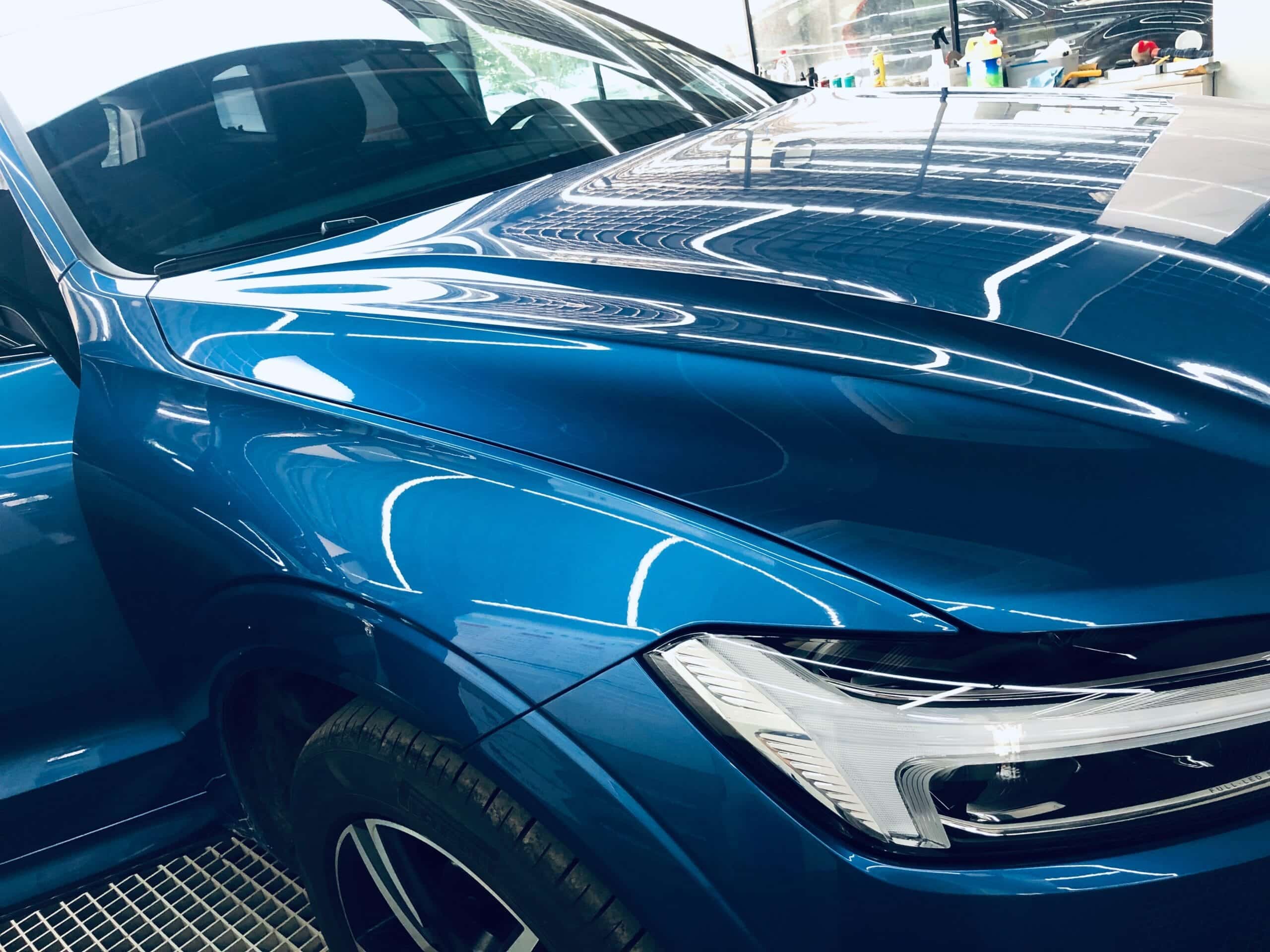
Choosing between glossy PPF and matte (or satin) PPF is primarily an appearance and ownership-experience decision, not a protection-vs-protection tradeoff. Both finishes defend paint from common road hazards such as stone chips, insects, road debris, scratches/abrasion, and weathering, and many leading film systems in both finishes also claim self-healing for minor scratches.
If you want your vehicle to look as close to factory clearcoat as possible, high-gloss PPF is the default choice. If you want low-reflection styling, need to match factory matte paint, or want to convert a gloss finish to a satin/matte look without repainting, then matte/satin PPF is the better fit.
Quick Comparison Table
| Decision factor | High-Gloss PPF | Matte / Satin PPF |
|---|---|---|
| Primary objective | Preserve OEM shine, “invisible” protection | Matte/satin styling, reduce reflections, match matte paint |
| Typical use cases | Daily drivers, new cars, resale-minded owners | Factory matte paint, premium styling, show/build aesthetics |
| Visual signature | High clarity and gloss | Flat/muted reflections; satin sits between matte and gloss |
| Minor mark perception | Swirls can be easier to notice under strong light | Fine marks may appear less obvious due to lower reflectivity (varies by film + lighting) |
| Maintenance mindset | Straightforward wash routine; some brands allow non-abrasive wax for gloss films | Needs more disciplined product/technique choices to preserve uniform sheen; avoid anything abrasive or polishing intended to “add gloss” |
| Buying risk | Lowest—most universal finish | Higher—appearance uniformity and installer QA matter more on edges/panels |
Brand documentation commonly describes clear/gloss and matte PPF lines as suitable for full wraps or high-risk areas and highlights self-healing topcoats for minor scratches.
What Gloss PPF Is Best At
Gloss PPF is built to protect while staying visually quiet. If your priority is “protect the paint, but keep the factory look,” gloss is the most scalable choice across vehicle colors and body styles.
Where gloss PPF wins
- OEM clarity and shine: Many gloss products are positioned as clear films that preserve the vehicle’s color and finish while protecting from chips and scratches.
- Broadest fit: Gloss typically works across the widest range of customer tastes—especially for daily drivers and high-mileage vehicles.
- Minor scratch recovery claims: Multiple leading systems describe self-healing formulas that help minor scratches disappear with heat.
Who should default to gloss
Choose high-gloss PPF if you want the safest procurement decision: consistent results, minimal “style risk,” and a finish that is easiest to explain and resell.
What Matte and Satin PPF Are Best At
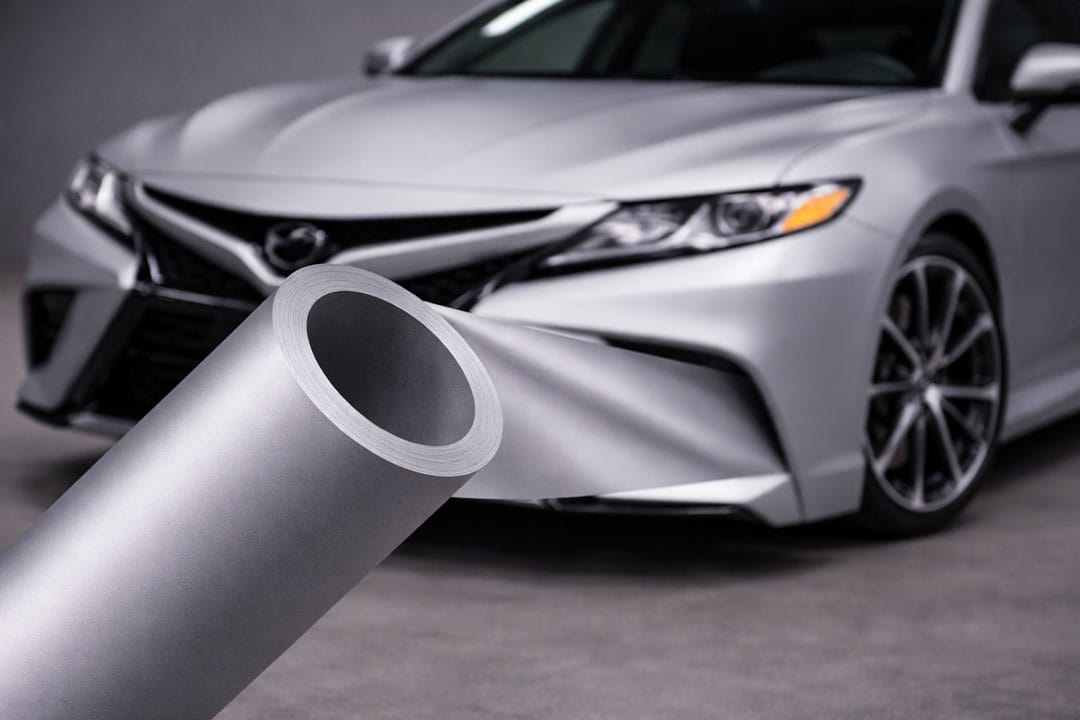
Matte/satin PPF is a styling finish with a protective function. It is typically positioned for two outcomes:
- Match factory matte paint
- Transform a gloss car into a matte/satin appearance without repainting.
Matte vs satin in plain terms
- Matte: Flatter reflection, more “stealth” look.
- Satin: A controlled sheen between gloss and matte; manufacturers often describe it explicitly as a satin finish.
Why installers and buyers like matte/satin
- Distinctive appearance without bodywork: Brand pages explicitly frame matte PPF as a way to enhance the look while still providing protection.
- Minor scratch recovery claims exist here too: Matte product lines (including technical data sheets) also commonly state self-healing properties for small scratches with heat.
Protection Performance: Is Gloss PPF Stronger Than Matte PPF?
In most real buying scenarios, finish is not the primary driver of impact protection. Protection performance depends more on the film system’s construction (base film, adhesive, top coat) and installation quality than on whether the finish is glossy or matte.
- Both finishes are marketed for the same threats (stone chips, insects/bug splatter, scratches/abrasion, weathering).
- Matte/satin films can be specified as high-performance protective TPU in technical sheets (e.g., satin clear-coated aliphatic polyurethane; low surface energy to resist staining).
If you are selecting “stronger,” evaluate material class (e.g., TPU), top coat properties, warranty language, and spec transparency, not simply the gloss level.
Maintenance Differences That Actually Matter
Gloss PPF and matte/satin PPF should be maintained differently because the goal is different:
- Gloss aims to keep high clarity and shine.
- Matte/satin aims to keep a consistent low-reflection sheen without creating shiny “patches.”
Gloss PPF: more forgiving routines
Some manufacturers’ FAQ guidance states that gloss finishes can be maintained with regular washing and may allow non-abrasive wax periodically to help maintain appearance.
Matte/satin PPF: control sheen, avoid gloss-adding processes
Matte finishes can be “harder to repair” cosmetically because any polishing or abrasive approach can alter the intended texture and reflectivity. This is why matte-focused product lines often emphasize careful maintenance and consistent cleaning practices.
Practical takeaway for customers: matte/satin is not “high maintenance,” but it is low tolerance for the wrong maintenance—especially anything that adds gloss or uneven shine.
High-Impact Use Cases: Pick the Finish by Scenario
Choose high-gloss PPF if you prioritize
- Factory look with protection: “Protect but stay invisible.”
- Resale presentation: A consistent, familiar finish that most buyers prefer.
- Standardization: Fleet or multi-vehicle programs where you want fewer decision variables.
Choose matte or satin PPF if you prioritize
- Factory matte paint matching (or the look without repainting).
- Low-reflection aesthetics for premium or performance styling.
- Brand identity builds: Satin/matte can differentiate the vehicle immediately in a portfolio or showroom.
Buying Checklist: What to Ask Before You Choose Matte vs Gloss
1) Confirm the finish outcome in writing
Ask for an explicit statement in the catalog/spec sheet describing the finish (gloss vs matte vs satin) and intended visual result.
2) Ask for technical documentation (TDS) or product specifications
Technical sheets may clarify construction (e.g., TPU/aliphatic polyurethane), coating claims, and performance notes (including stain resistance or low surface energy).
3) Align coverage strategy with your risk profile
Many manufacturers frame PPF as suitable for high-risk areas or full-vehicle coverage. Decide whether you need targeted protection (bumper/hood/fenders/mirrors) or a full wrap based on usage.
4) Validate installer QA standards (especially for matte/satin)
Matte/satin highlights inconsistencies more easily (panel-to-panel sheen, edge finishing, dust/contamination tolerance). Your procurement spec should define inspection criteria at delivery.
FAQs: Glossy vs Matte PPF
Is matte PPF the same as satin PPF?
Not always. “Satin” typically describes a finish between matte and gloss, and some manufacturers label their product specifically as a satin PPF line.
Does matte PPF protect as well as glossy PPF?
In most mainstream product lines, both are marketed to protect against stone chips, scratches/abrasion, insects, and weathering, with many offering self-healing top coats for minor scratches. Protection depends more on film construction and installation than finish alone.
Can matte PPF convert a glossy car into a matte/satin look?
Yes—this is a commonly stated use case for matte/satin film lines: transitioning gloss paint to a matte/satin appearance without repainting.
Do both finishes offer “self-healing”?
Many film systems describe self-healing behavior where minor scratches can diminish with heat exposure. This claim appears across both clear/gloss and matte/satin product families and in technical sheets.
Is gloss PPF easier to maintain than matte/satin PPF?
Gloss is generally more forgiving because common care routines are aligned with preserving shine; some brand guidance mentions non-abrasive waxing for gloss finishes. Matte/satin requires more discipline to avoid changing the intended sheen.
Which finish hides imperfections better?
Matte/satin can visually reduce strong reflections, which may make certain micro-marks less obvious under some lighting. However, uniformity matters: uneven cleaning or localized “shine” can stand out on matte/satin. Choose based on the desired look, and commit to the appropriate maintenance style.
Can I mix finishes (e.g., gloss overall with matte accents)?
Yes. Many installations use mixed coverage to balance cost, styling, and protection—especially on hoods, roofs, mirrors, and accent panels. Ensure you define a consistent aesthetic plan to avoid mismatched panel sheen.
Get the Right Finish Recommendation Pack
If you promote a full PPF lineup, the fastest buyer path is a finish recommendation pack:
- Gloss vs matte vs satin comparison sheet
- Product specifications/TDS bundle
- Coverage template (high-impact vs full front vs full vehicle)
- Sample request option (if you offer sample books)
Provide your target market and your preferred finish mix (gloss/matte/satin/specialty), and we will map the most efficient PPF selection and positioning for your catalog and landing pages.
Related Posts




Contact FUNO
Tell us your target market, product category, preferred specification, estimated purchasing volume, and whether you need standard or private label supply.
FUNO can help you narrow suitable film options, sample requirements, packaging needs, and the next step toward bulk purchasing.