
Safety and security window film is a clear or lightly tinted multi-layer film applied to glass to help keep broken glass together after impact or breakage. Its main job is not to make glass impossible to break. Its real job is to make broken glass less dangerous and more controlled.
In simple words, this film helps reduce the risk of flying glass shards, helps keep broken glass in place longer, and in some cases can make it harder and slower for someone to get through the glass. That is why it is used in homes, offices, schools, storefronts, and other buildings with exposed glass.
Safety and Security Window Film in Simple Words
Think of this film as a strengthening layer added to the glass. If the glass breaks, the film helps hold many of the broken pieces together instead of letting them fly inward or fall out right away. This is the most important idea to understand.
So if someone asks what this film really does, the short answer is: it helps broken glass behave in a safer way. In higher-risk situations, it can also buy more time by making forced entry or smash-and-grab damage more difficult than plain untreated glass.
What “Safety” and “Security” Really Mean
Safety mainly focuses on injury reduction. When glass breaks by accident, spontaneous breakage, impact, or storm pressure, safety film helps reduce the danger from sharp flying fragments. This matters in places where people stand, walk, work, or live near glass.
Security mainly focuses on delaying entry and improving resistance. It does not mean the glass becomes impossible to penetrate. It means the broken glass may stay together longer, which can slow down break-ins, smash-and-grab attempts, or certain impact events.
That is why these two words are often used together. One side is about protecting people from broken glass. The other side is about making glass a harder target.
What Problems This Film Helps Solve
One of the biggest problems this film helps with is glass fragment hazard. If a window or door breaks, loose shards can injure people and damage property. Safety and security film helps reduce that risk by helping keep the broken glass together.
It can also help in forced-entry and vandalism situations. If someone tries to break through the glass, the film can make the process slower and more difficult. In real security planning, even a short delay can matter because it gives more time for reaction and response.
Another important use is in storm and impact-related glass events. Where buildings face strong wind, debris impact, or other sudden glass stress, this type of film is often used to improve glass retention and reduce dangerous fragment spread.
Where Safety and Security Window Film Is Commonly Used
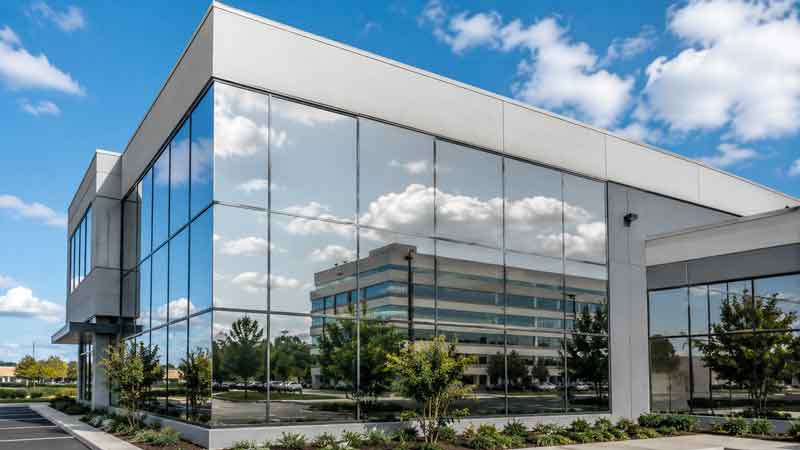
This film is commonly used on storefronts, office doors, schools, healthcare spaces, homes with exposed entry glass, and buildings in storm-prone areas. These are all places where broken glass can create both a safety problem and a security problem.
It is especially useful on glass that people pass by often, glass that faces public access, or glass that would create a bigger risk if it shattered. In those cases, the value of the film is not just protection of the glass itself. It is also protection of the people and space around it.
What This Film Does Not Do
This part is very important. Safety and security window film does not make glass unbreakable. It does not make a building bulletproof. It does not guarantee that intruders cannot get in. Good writing on this topic should be clear about that.
What it does is improve how glass performs after breakage or under impact. It can help hold the broken glass together, reduce shard injury, and delay entry in some situations. But it should not be sold as a magic shield that replaces all other security measures.
Clear Safety Film vs Solar Safety Film
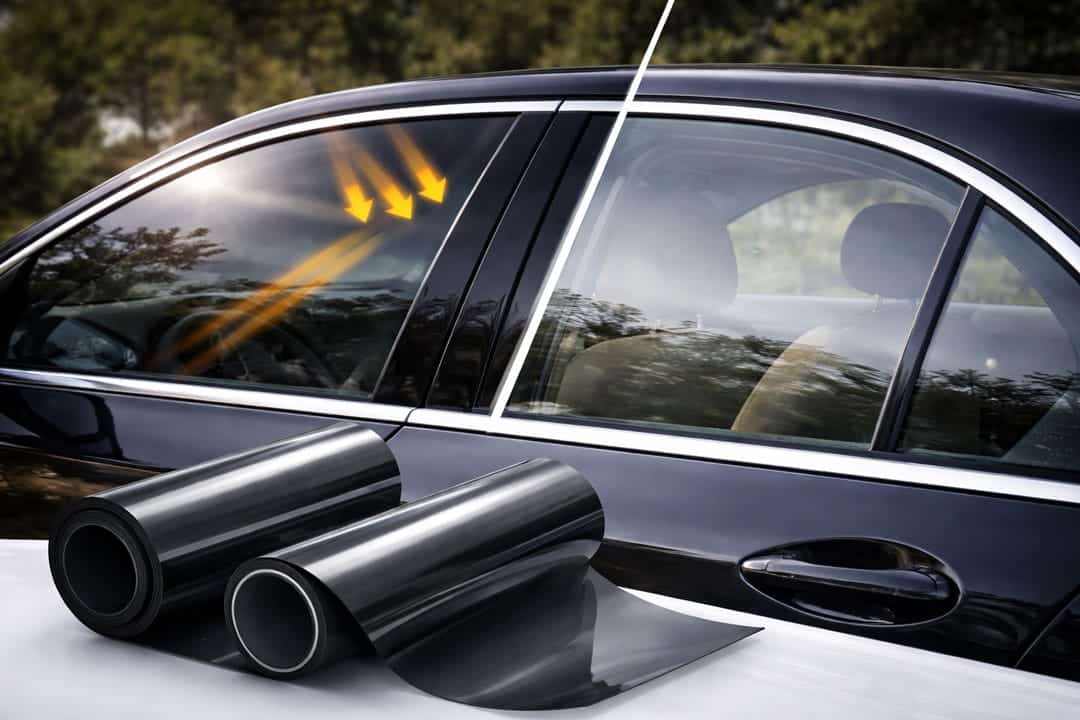
Some projects use clear safety film, where the main goal is protection with minimal visual change. Other projects use solar safety film, where the goal is to combine glass safety with benefits like glare or heat control. Both directions exist, but the core idea is the same: improve glass performance after impact or breakage.
So the right choice depends on the real problem. If the building mainly needs glass fragment control and entry delay, the film choice should focus there first. If the building also struggles with strong sun and glass comfort issues, a solar-related route may make more sense.
Why Buyers Choose It
Most buyers choose this film for one of three reasons:
- they want to reduce the danger from broken glass
- they want to slow down entry through glass
- they want a smarter upgrade than full glass replacement in certain situations
This is why safety and security film is often seen as a practical retrofit solution. It can improve vulnerable glass without replacing every window or door in the building.
Final Answer
Safety and security window film is a glass protection film designed to help hold broken glass together, reduce flying shards, and in some situations delay forced entry or improve glass performance under impact. It is best understood as a way to make existing glass safer and harder to defeat, not as a promise that glass will never break.
If the real concern is glass-related injury, break-in delay, or better control during impact events, this film is a very practical solution. The key is to choose it with the right expectation: better glass behavior, more time, and lower risk — not absolute protection.
Related Posts




Contact FUNO
Tell us your target market, product category, preferred specification, estimated purchasing volume, and whether you need standard or private label supply.
FUNO can help you narrow suitable film options, sample requirements, packaging needs, and the next step toward bulk purchasing.