
The best way to make windows private but still let in light depends on the kind of privacy you need. If you want to keep your outward view during the day, reflective or dual-reflective window film is usually the strongest option. If you want more stable privacy without making the room feel dark, decorative or frosted privacy film is often the better choice. If you do not want film at all, light-filtering shades can also improve privacy while keeping the room bright.
The biggest mistake is expecting one product to give perfect privacy, clear outward views, and full daylight in every situation. In real spaces, privacy depends on film type, room lighting, and whether you need daytime privacy or a more constant privacy effect. That is why the right answer starts with the room and the privacy goal, not just the product name.
The Short Answer: What Works Best
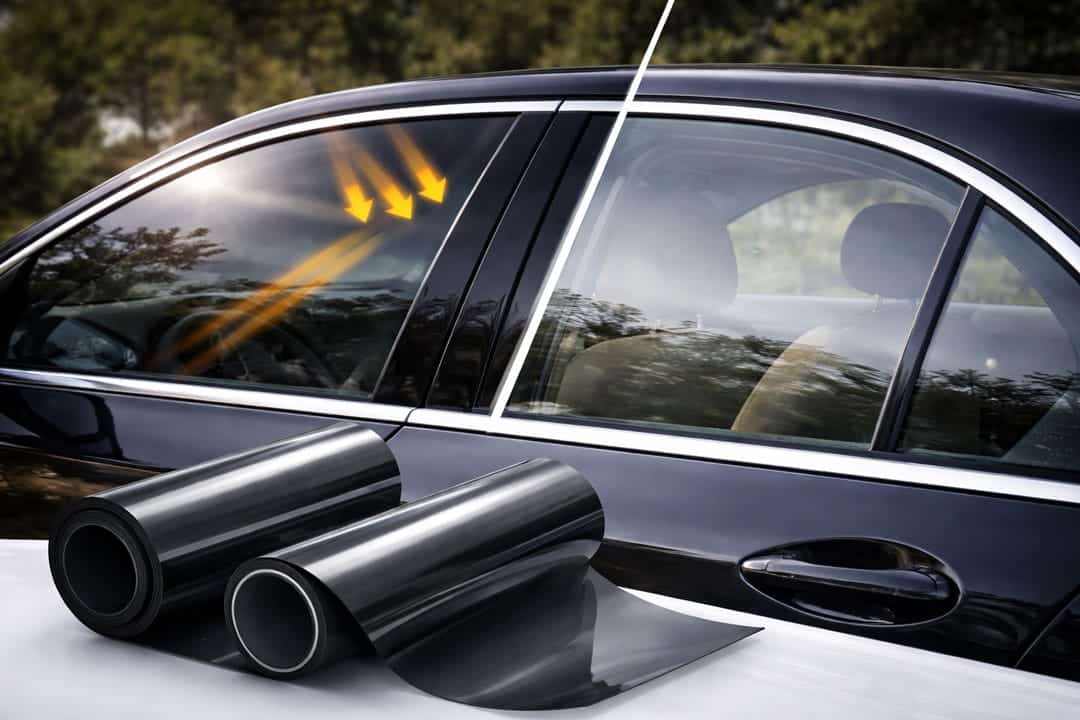
If your main goal is daytime privacy while still seeing out, reflective privacy film is usually the closest match. Reflective solar films are commonly used for daytime privacy because they create a more reflective outside surface while still allowing people inside to look out. They can also help with glare, heat, and UV control.
If your main goal is privacy with natural light, but you do not need a clear outward view, decorative or frosted privacy film is usually the better answer. These films are designed to soften or block direct views through the glass while still allowing natural light to enter the room.
If you prefer a non-film solution, light-filtering shades are a practical alternative. They diffuse daylight into the room while reducing direct visibility from outside, which makes them useful when brightness matters but a totally open window does not.
Why Privacy Without Losing Light Is Different from Blackout Privacy
Blackout privacy and light-friendly privacy are not the same thing. Blackout solutions block light heavily. This topic is about keeping the room bright while making the window less exposed. That changes which products make sense. Frosted film, decorative film, reflective film, and light-filtering shades all work because they reduce visibility without turning the room dark.
That is why this topic should not be reduced to “what covers a window.” The real question is how to balance three things at once: privacy, daylight, and sometimes even an outward view. Different products solve that balance in different ways.
Best Window Film Types for Privacy Without Darkness
Decorative Privacy Film
Decorative privacy film is one of the best choices when you want a bright room and softer visibility through the glass. It is often used on entryways, partitions, shower doors, and bathroom windows because it adds privacy while still allowing natural light to pass through. It also helps improve the appearance of the space because it comes in frosted, patterned, and textured styles.
Frosted Privacy Film
Frosted privacy film works in a similar way, but with a stronger obscuring effect. It usually gives more dependable privacy than reflective film because it does not rely on outside brightness. The trade-off is that it does not preserve a clear outward view. This makes it a strong option for bathrooms, sidelights, entry glass, and interior partitions.
Reflective Privacy Film
Reflective privacy film is usually the strongest answer when the real need is: “I want to see out, but I do not want people outside to see in during the day.” Its privacy effect comes from a more mirror-like exterior appearance, especially when the outside is brighter than the inside. It is also often used for solar control because it can reduce glare and heat gain.
Dual-Reflective Film
Dual-reflective film is a more balanced option for people who still want daytime privacy but also care about nighttime outward visibility. It typically uses a more reflective outer side and a less reflective inner side, which helps reduce the heavy mirror effect from inside the room after dark. It does not change the laws of lighting, but it usually feels more comfortable than a standard reflective film in evening conditions.
Daytime Privacy vs All-Day Privacy
This is the most important distinction in the whole topic. Reflective and mirrored films are mainly daytime privacy solutions, not guaranteed 24-hour one-way privacy solutions. Their effect depends on light balance. When the exterior is brighter than the interior, outside views inward are reduced. When the interior becomes brighter than the outside, such as at night with lights on, that privacy effect can weaken sharply.
That means reflective film is excellent for many daytime conditions, but it is not always the right answer if you want dependable privacy after dark without using blinds or curtains. In those cases, decorative or frosted privacy film usually makes more sense.
Which Option Is Best for Different Rooms
Living Rooms and Street-Facing Windows
For living rooms and street-facing windows, reflective or dual-reflective film usually works best when you still want to enjoy the view outside. These options are especially useful when privacy, glare, and solar heat are all part of the problem.
Bathrooms and Entry Glass
Bathrooms and entry glass usually benefit more from frosted or decorative privacy film. These spaces often need stronger and more stable privacy, and they do not always require a clear outward view. That makes frosted and decorative films the safer and more predictable choice.
Office Partitions and Meeting Rooms
Office partitions, meeting rooms, and interior glass walls are usually better suited to decorative privacy film. These films let light move through the space while reducing direct visibility between rooms. They also add a cleaner design finish to commercial interiors.
Windows Without Film
If you prefer not to apply film, light-filtering shades and top-down bottom-up shades are strong alternatives. They can keep rooms bright while reducing visibility, and top-down bottom-up designs are especially useful because they let light enter from the top while shielding the lower part of the window.
What These Solutions Can and Cannot Do
Reflective privacy film does very well when you want daytime privacy, outward visibility, and additional solar-control benefits. Decorative and frosted films do very well when you want privacy plus daylight, especially in spaces where a direct outward view is not essential. Light-filtering shades do very well when you want a flexible, non-film solution.
What these products do not all do equally is provide the same privacy effect in every lighting condition. Reflective film does not guarantee strong nighttime privacy. Frosted and decorative films do not preserve the same kind of clear outside view. Shade-based systems reduce visibility, but they also change the window experience more than a clear or translucent film does.
What to Check Before You Choose
The first question is whether you need daytime privacy or more constant privacy. That single decision usually determines whether reflective film belongs on the shortlist or whether frosted, decorative, or shade-based solutions make more sense.
The second question is whether you still want to see out clearly. If the outward view matters, reflective and dual-reflective films are stronger options. If not, frosted and decorative privacy films often give a more reliable privacy result.
The third question is whether glare, heat, and UV are also part of the problem. If they are, solar-control film becomes more attractive because it can improve comfort as well as privacy.
FAQ
What can I put on windows for privacy without blocking light?
Decorative privacy film, frosted film, reflective privacy film, dual-reflective film, and light-filtering shades are all common solutions. The best option depends on whether you want a clear outward view or more stable obscured privacy.
Does one-way privacy film work at night?
Not in the same way it works during the day. Its effect depends on lighting contrast, so if the room is brighter inside than outside, privacy can drop significantly.
Is frosted film better than reflective film?
It is better when you want more stable privacy and do not need a clear view out. Reflective film is better when you want daytime privacy while still seeing outside.
Can I still see out with privacy film?
Yes, if you choose reflective or dual-reflective film. Decorative and frosted privacy films usually preserve light better than they preserve a clear view.
What is the best option for bathroom windows?
Frosted or decorative privacy film is usually the better fit for bathroom windows because it offers more stable privacy without depending on exterior brightness.
Related Posts





Contact FUNO
Tell us your target market, product category, preferred specification, estimated purchasing volume, and whether you need standard or private label supply.
FUNO can help you narrow suitable film options, sample requirements, packaging needs, and the next step toward bulk purchasing.