
At FUNO, we have a very straightforward answer to this question: No, standard PPF does not automatically give a car a matte finish. A vehicle will only have a matte, satin, or invisible-style appearance if the film installed has a specific surface finish. Standard glossy PPF is designed to keep the factory paint looking newer while retaining its shine; our matte PPF series, on the other hand, is intended to protect factory matte paint or transform glossy paint into a controlled, low-gloss, stealthy satin finish. For dealerships and repair shops, this is not merely a product issue but a core issue regarding expectations for surface finishes—and this is precisely where many sales miscommunications stem from.
The short answer: PPF does not automatically make a car matte
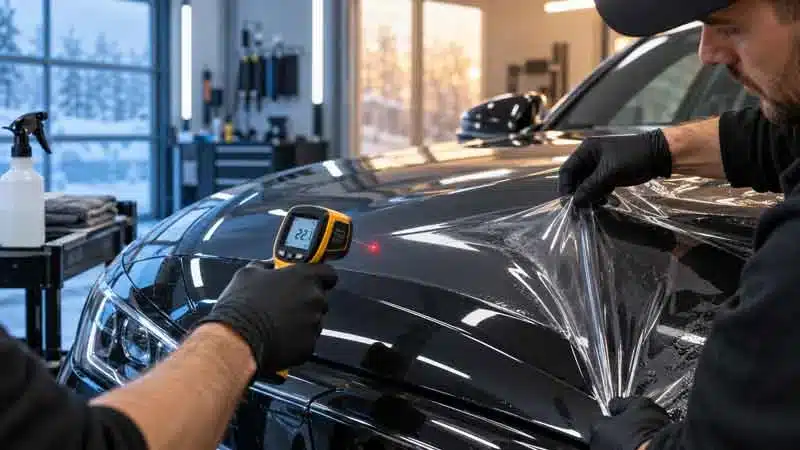
This is the key point your sales team should make clear to customers first: PPF is a category of protection, not a single aesthetic effect. High-gloss PPF is typically used to preserve the factory gloss and visual depth. Matte paint protection film, on the other hand, is a different surface treatment designed to reduce surface gloss and create a smoother, more understated appearance. In other words, the final surface effect depends on the film material you choose, not on the mere fact that PPF has been installed.
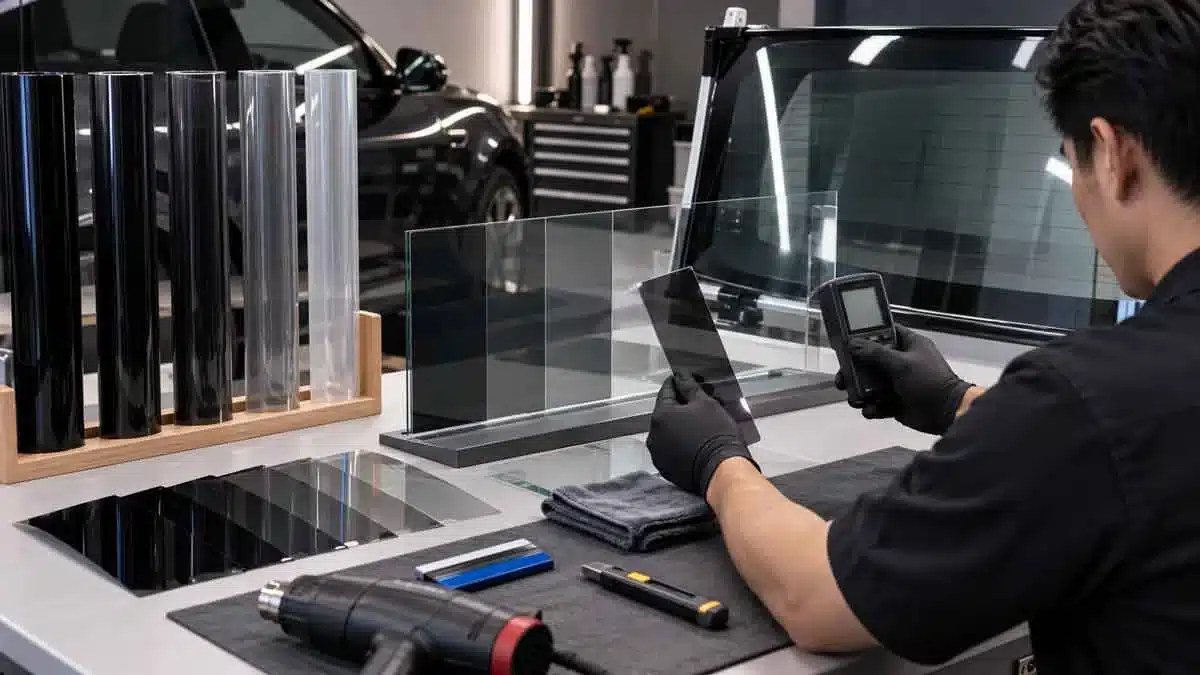
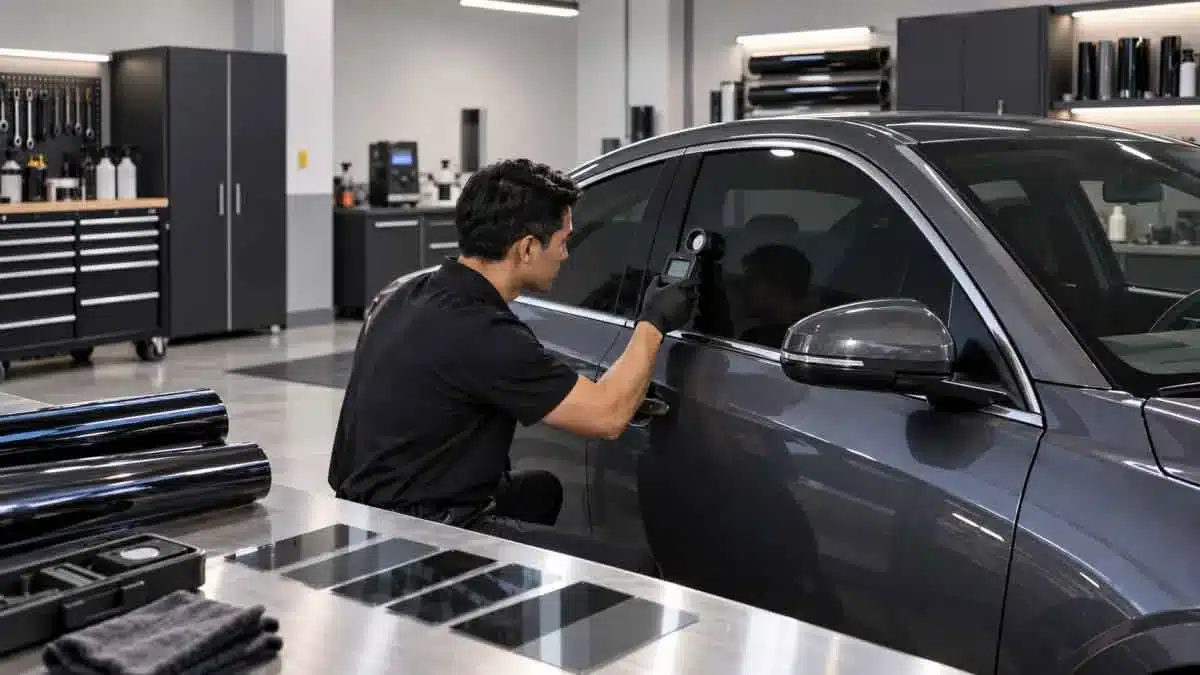
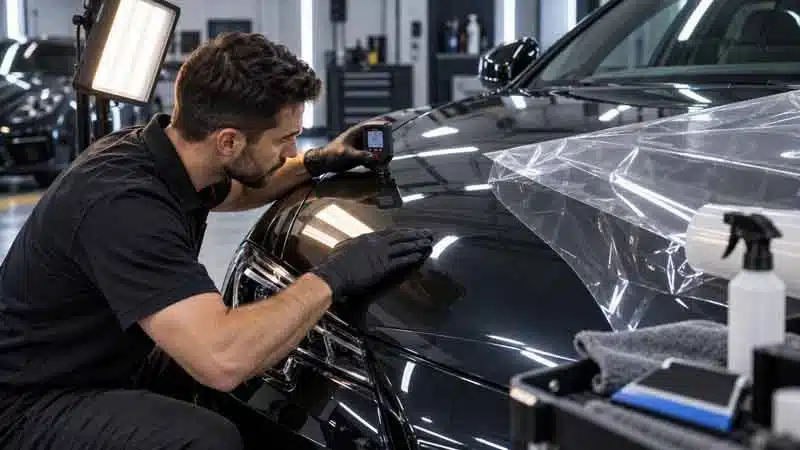
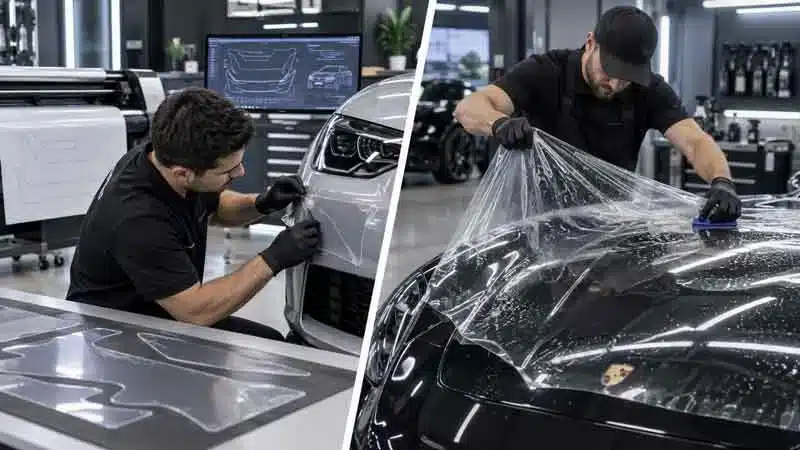
This distinction is crucial because many customers view “PPF” as a standardized visual product. This is not the case. In today’s market, high-gloss, satin, and matte PPFs are marketed to achieve different aesthetic goals. High-gloss PPF is used to preserve the factory’s clear-coat-like shine; satin PPF softens reflections while maintaining a certain level of surface depth; and matte PPF offers the flattest, most understated surface finish of the three.
Why customers get confused about this question
Most confusion stems from customers confusing paint protection film with changes to the vehicle’s appearance.
Customers may know that PPF is a film applied to the car’s paint, so they assume that any film will alter the vehicle’s appearance. While this assumption is understandable, it is not entirely accurate. In reality, the film’s structure and surface treatment determine the final result. High-gloss films typically maintain or enhance gloss; matte films are specifically designed to reduce gloss; and satin films fall somewhere between these two effects.
For dealers and installers, this means that sales conversations should not begin with “Would you like to install PPF?” but rather with “Would you like to preserve your car’s current paint finish, or would you like to change it?” Once this question is answered, the recommended solution becomes much clearer.
Gloss PPF vs Matte PPF vs Satin PPF
The easiest way to explain this to customers is to separate finish types by visual outcome, not by generic product category.
| Finish type | What the customer sees | Best fit request | Common mistake in sales conversations | Better shop wording |
|---|---|---|---|---|
| Gloss PPF | Clear, shiny, OEM-style finish with strong reflectivity | “I want protection without changing the look” | Selling gloss PPF to a customer who expects a stealth or matte result | “This keeps the paint looking glossy. It protects, but it does not create a matte effect.” |
| Matte PPF | Lower-gloss, flatter, more subdued appearance | “I want a matte or stealthier look” | Telling customers all PPF can create the same effect | “This is the option when you want protection and a true low-gloss finish.” |
| Satin / Stealth PPF | Softer reflection than gloss, but not as flat as full matte | “I want less shine, but not fully matte” | Treating satin and matte as identical | “This is the middle ground: refined, softer sheen, easier for many customers to accept.” |
This framework matches how the category is actually positioned. FUNO’s Gloss PPF is described around one outcome: keeping OEM paint looking newer without changing the color. Our Matte PPF is positioned for protecting factory matte paint or converting gloss paint to a stealth satin look. Our Satin PPF positioning also makes the distinction clear: gloss keeps factory shine, satin softens reflections, and matte delivers the lowest reflectivity.
When Matte PPF is the right answer
When customers want to deliberately change the look of their vehicle—rather than simply seeking protection against collisions—a matte paint protection film is the best choice.
At FUNO, we typically see three common scenarios for matte PPF. The first is when customers want to transform a high-gloss vehicle into a low-gloss or “invisible” style without repainting. The second is for owners of factory-finished matte vehicles who want to protect their paint while preventing the surface from becoming glossy. The third category consists of channel buyers who, when building a product line centered on surface finishes, need to clearly distinguish between high-gloss, satin, and matte SKUs. Our matte PPF page is specifically designed around these application scenarios: factory-matte protection, high-gloss-to-satin transitions, and appearance-control SKU planning for distributors and installers.
This is why matte PPF should not be marketed as “just another ordinary clear film.” Its commercial positioning is entirely different. It sits at the intersection of aesthetic choice and protective choice. This gives it unique value, but it also means that managing customer expectations is particularly important.
When Gloss PPF is the better recommendation
Not every customer who asks about a matte finish actually wants a matte finish.
Some customers simply want to protect their car while maintaining a finish that closely resembles the factory paint from the showroom. In such cases, it’s more appropriate to recommend a high-gloss PPF. This principle also applies when customers express the following requests:
- “I want to keep the factory finish.”
- “I don’t want the paint to look duller.”
- “I want the maximum gloss.”
- “I just want protection, not a style change.”
This is precisely why the excessive promotion of matte PPF by dealership networks can backfire. If the customer’s true goal is to preserve the gloss, then a matte film is not a premium upgrade—it’s the wrong choice. FUNO’s product positioning on this point is very clear: high-gloss PPF is designed to maintain the factory gloss, while the matte series is intended for low-gloss or “invisible” styles.
A shop that recommends matte film simply because “matte” sounds more unique might win the sale, but it will lose repeat business.
Matte on gloss paint is possible — and often desirable
One of the most prominent selling points of matte paint protection film is that it can alter the visual appearance of a glossy car body without the need for repainting. FUNO’s matte paint protection film is explicitly positioned to offer a transition “from high-gloss to matte,” and the broader range of products on the market reflects the same logic: paint protection films designed specifically for a matte finish are typically used to transform a glossy paint job into a more subdued, understated look.
For repair shops, this is an important business insight. It means that matte paint protection film can be sold not only as a protective material but also as a cosmetic treatment solution. Customers can both protect the underlying paint and give the visible surface a different visual effect. This sales pitch is much easier to convey than simply marketing the matte effect as a technical upgrade.
Matte on factory matte paint is a different conversation
When a vehicle already comes with a factory-applied matte finish, the issue changes. Customers no longer ask, “Can you give it a matte finish?” but rather, “Can you protect this matte finish without compromising its matte appearance?”
This is precisely why this distinction is so important. Multiple industry sources offer the same practical advice: if a vehicle has a matte finish and the goal is to preserve the factory matte appearance, glossy PPF is generally not the ideal choice because it adds shine. PPF specifically designed for matte finishes not only protects the vehicle’s surface but also more closely maintains its smooth or satin-like appearance. This is precisely how FUNO positions its matte PPF—it is particularly well-suited for protecting factory-applied matte paint finishes and matching paint tones.
For dealerships or repair shops, this is one of the simplest ways to establish professional authority in your communications. You’re not just providing protection; you’re demonstrating that you understand the difference between “protecting a glossy paint finish” and “preserving a matte finish.”
What shops should ask before recommending Matte PPF
Before recommending a finish, the shop should qualify the visual target. This matters more than budget at the early stage.
| Question to ask the customer | Why it matters | Answer that points to matte PPF | Answer that points to gloss PPF |
|---|---|---|---|
| Do you want to keep the current finish or change it? | This reveals whether the customer wants protection only or protection plus visual change | “I want a stealth / matte / lower-gloss look” | “I want it to look the same, just protected” |
| Is the current paint gloss or factory matte? | The starting finish changes the recommendation | “It is factory matte and I want to preserve that look” | “It is gloss and I want to keep the OEM shine” |
| How much sheen are you comfortable keeping? | Helps separate satin from true matte | “As little reflection as possible” | “I still want strong reflections and paint depth” |
| Are you aiming for OEM-style visual consistency or a stronger custom statement? | Helps choose between satin and matte | “More unique, more subdued, more custom” | “Closer to factory shine” |
| Which vehicle colors are involved? | Matte and satin read differently across white, black, red, grey and silver | Black, grey, white and stealth-style builds often suit matte or satin well | Customers who want maximum color pop often prefer gloss |
This kind of intake process aligns closely with how FUNO structures its own matte PPF inquiry logic. On our product page, we ask buyers to define the finish target, vehicle color, coverage, and roll-size needs before quoting, precisely because matte and satin programs should not be sold as generic substitutes for gloss.
The real sales risk is finish expectation mismatch
When it comes to this topic, the greatest business risk isn’t product performance—it’s mismatched expectations.
When customers assume that all paint protection films (PPF) look the same, the outcome is predictable: disappointment after installation, complaints about the surface finish, and avoidable disputes. This is especially true when the terms “high-gloss” and “matte” are used too broadly. FUNO’s content on matte paint protection film highlights why surface finish consistency is critical at the channel level: low orange peel, controlled haze and gloss levels, optical clarity without cloudiness, and batch consistency—all of which influence the actual perception of both installers and end users.
For dealer networks and repair shops, here is a more professional way to position this product category:
- High-gloss PPF provides protection while maintaining gloss.
- Satin PPF provides protection while softening the gloss.
- Matte PPF provides protection while creating a visual effect with the lowest possible gloss.
This positioning is simple, clear, and well-reasoned, and it is easier for customers to understand than vague marketing claims about “high-end films.”
Our view as a manufacturer
At FUNO, we do not view matte paint protection film as a product that every customer necessarily needs. We position it as the ideal choice for achieving a specific surface finish.
If a customer wishes to preserve the factory gloss, recommend a high-gloss paint protection film.
If a customer wants a low-gloss or “invisible” look, recommend a matte paint protection film.
If a customer is looking for a softer, more versatile compromise, recommend a satin or “invisible” paint protection film.
This is the smartest way to protect your profit margins, reduce disputes over surface finishes, and sell a product line that truly meets market demand. Our matte paint protection film program is designed precisely for this type of communication: to protect factory-original matte finishes, transform high-gloss finishes into an invisible satin appearance, and provide distributors and repair shops with clearer, surface-finish-based SKU positioning.
FAQ
Will standard PPF give your car a matte finish?
No. Standard glossy PPF is typically used to maintain shine, not to create a matte finish. A matte finish comes from matte or satin/invisible coating films, not from the PPF category itself.
Can matte PPF give a glossy body a matte finish?
Yes. PPF specifically designed for a matte finish is typically used to reduce gloss, giving vehicles with high-gloss paint a smoother, more discreet appearance. FUNO also positions matte PPF as a solution for transforming high-gloss paint into a satin finish.
Are satin PPF and matte PPF the same thing?
Not exactly. Satin typically retains more gloss than true matte. Matte is smoother and more understated, while satin is often viewed as a more balanced middle ground in many dealership programs.
Should high-gloss PPF be used on a factory-matte body?
If the goal is to preserve the factory matte appearance, it is generally not recommended. To protect a matte paint finish without adding shine, a specialized matte PPF is usually the better choice.
How should repair shops explain this to customers?
Distinguish between “protection” and “appearance changes.” Explain to customers that high-gloss PPF provides protection while maintaining shine, whereas matte PPF provides protection while intentionally reducing the level of gloss. This key distinction can prevent most confusion during the sales process.
Translated with DeepL.com (free version)
Related Posts

Contact FUNO
Tell us your target market, product category, preferred specification, estimated purchasing volume, and whether you need standard or private label supply.
FUNO can help you narrow suitable film options, sample requirements, packaging needs, and the next step toward bulk purchasing.