
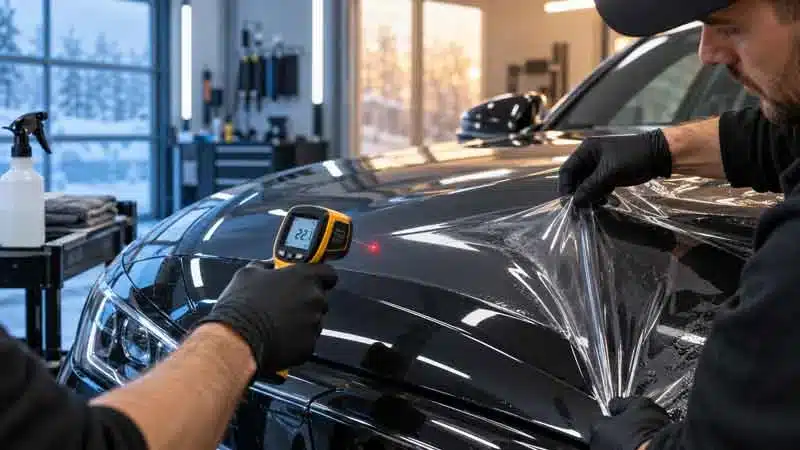
Paint Protection Film (PPF) is a transparent, durable film applied to painted automotive surfaces to help protect your vehicle’s finish from everyday hazards—especially rock chips, minor abrasions, bug splatter, and weathering. It is also widely known as a “clear bra.”
If you want the cleanest way to preserve paint appearance and reduce repaint risk in high-impact areas, PPF is typically the most direct solution because it adds a physical barrier over the paint rather than relying only on chemical resistance.
| Item | Quick Answer |
|---|---|
| What it is | A clear protective film (often TPU/urethane) installed on top of paint |
| Also called | “Clear bra” |
| Protects best against | Rock chips, minor scratches/marks, bug splatter, weathering |
| Common coverage | Bumper, hood, fenders, mirrors, rocker panels—partial to full vehicle |
| Finish options | Gloss, matte, satin; also specialty/colored options by product line |
| Key reality check | Not “scratch-proof” or “impact-proof”; results depend on film + installation quality |
(Manufacturer product pages commonly describe PPF as protecting against chips/scratches/weathering and offering partial or full-vehicle coverage options.)
What Is Paint Protection Film (PPF)?
Paint Protection Film is a professional-grade protective layer installed over automotive paint to reduce damage from real-world driving and ownership: road debris, sand, insects, and routine contact that can leave visible marks. Many major film systems also advertise “self-healing” behavior for minor surface marks, where light scratches can become less visible over time or with heat.
In practical terms, PPF is not about making paint invincible. It is about risk reduction and cost control: fewer chips, fewer touch-ups, less repainting, and a more consistent finish for longer.

What Does PPF Protect Against?
Rock chips and road debris
High-impact areas (front bumper, hood leading edge, front fenders, mirrors) take the most abuse from stones and debris. PPF is designed specifically for this use case, forming a sacrificial layer that takes the hit before your clear coat does.
Minor scratches and everyday abrasion
Many modern films are marketed with self-healing topcoat formulas that help minor marks become less noticeable—useful for day-to-day friction like light brushing, mild scuffs, and wash-related micro-marring (within reason).
Bug splatter, stains, and weathering
Manufacturers frequently position premium PPF as providing stain resistance and environmental resistance (helping with insects, grime, and exposure). That does not remove the need for cleaning, but it can make maintenance easier and help preserve appearance.
What PPF Does Not Do
PPF is often oversold. Setting correct expectations protects your budget and prevents disappointment.
- It is not “scratch-proof.” Most self-healing claims relate to minor marks, not deep scratches or sharp impacts.
- It is not “impact-proof.” Heavy impacts can still damage paint and bodywork.
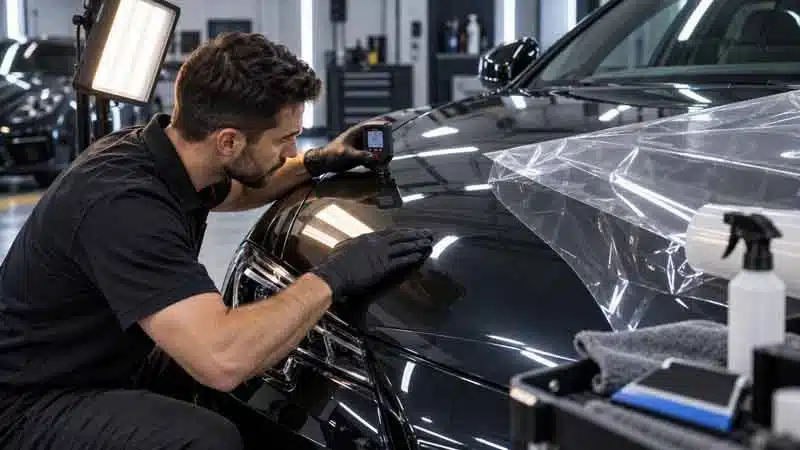
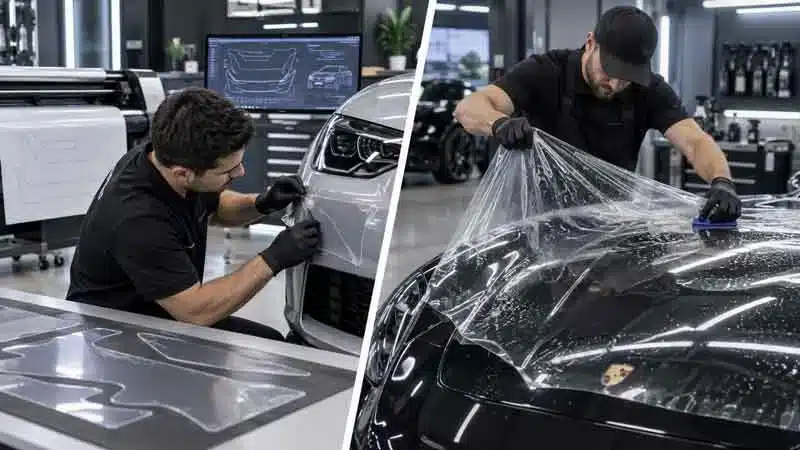
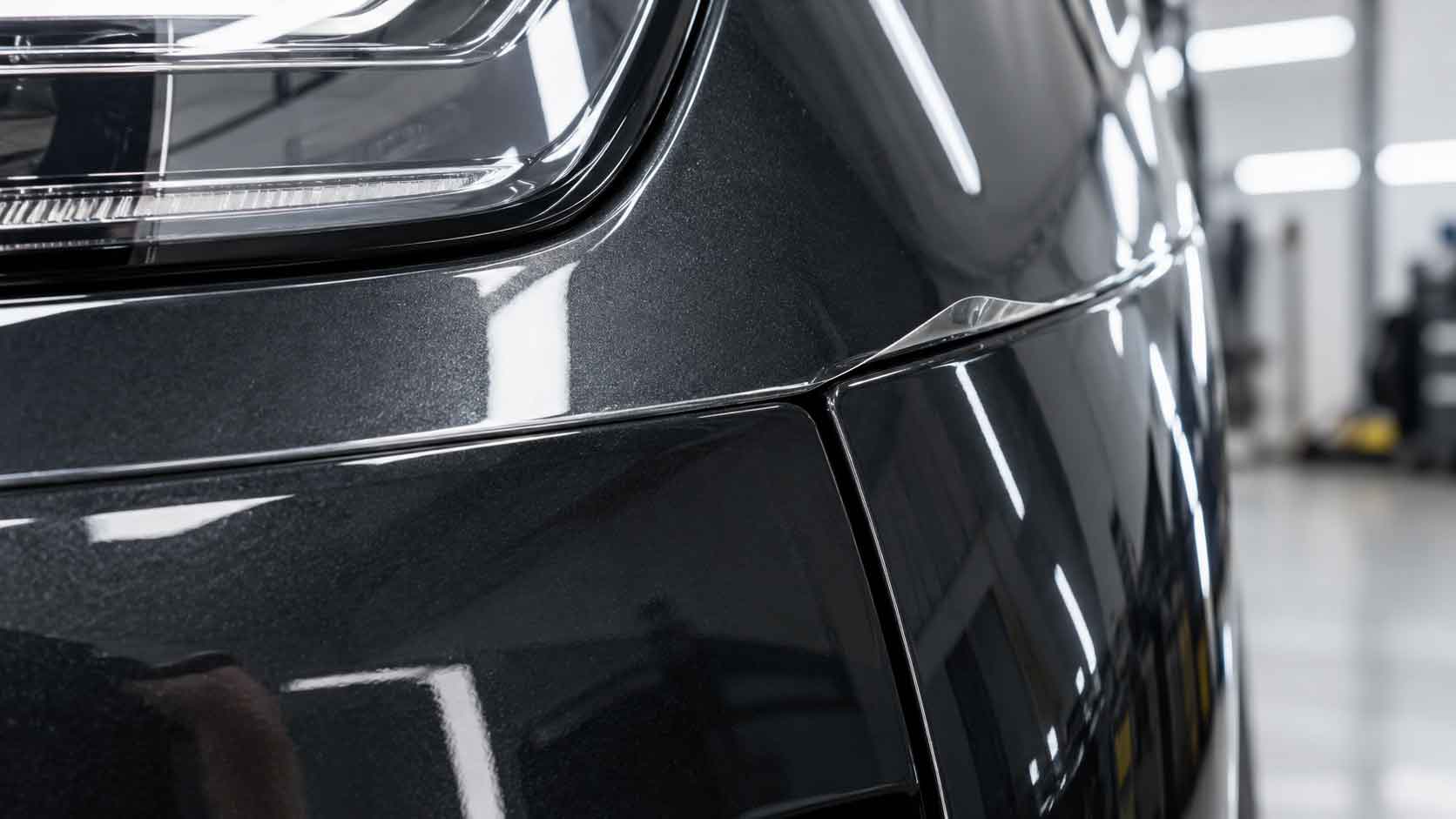
- It does not compensate for poor installation. Edge work, cleanliness, and panel alignment matter. Many brands emphasize professional installation for best results.
The business takeaway: PPF is a high-ROI protective asset when installed correctly and used where the risk profile justifies it.
How Does PPF Work?
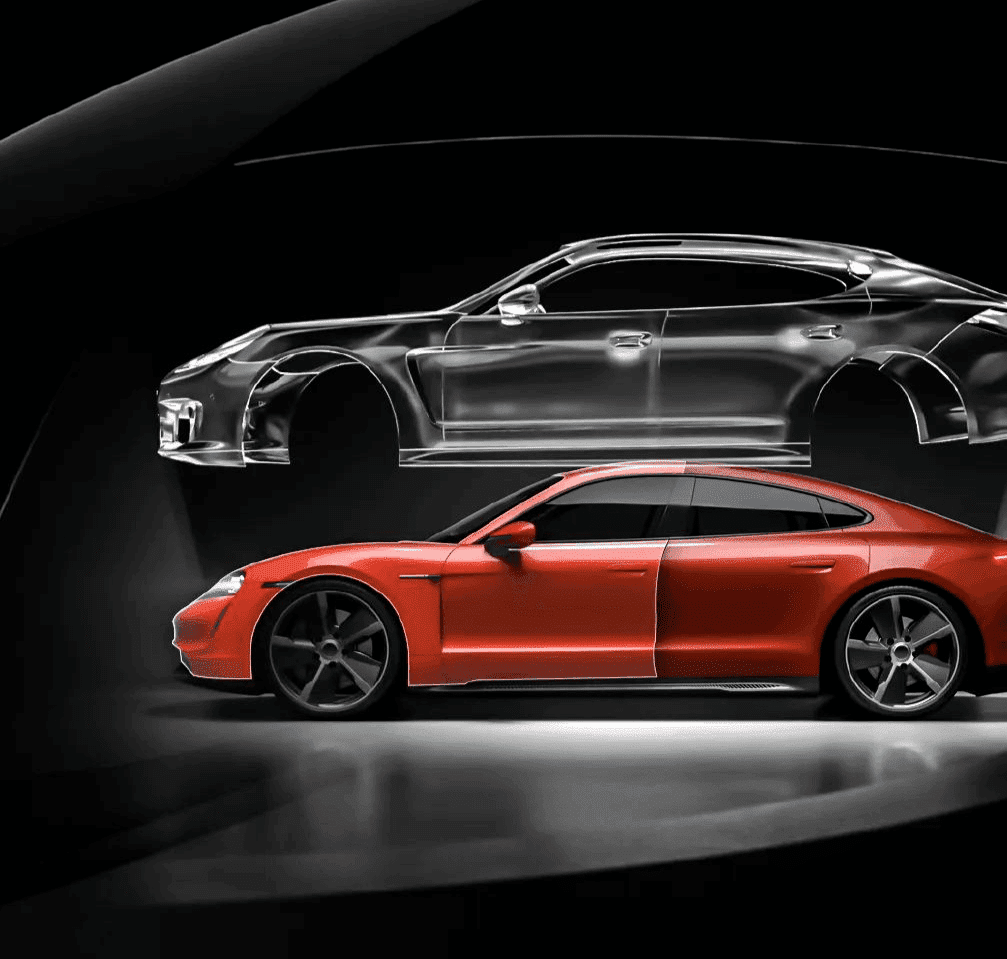
Most PPF systems combine a tough base film with an adhesive system and a clear-coat/top-coat layer. The film acts as a physical barrier that absorbs and disperses small impacts and abrasion before they reach the paint.
For “self-healing,” technical documentation commonly describes elastomeric polymer clear-coat behavior—surface marks can diminish as the polymer recovers, sometimes accelerated by heat.
Some product families also highlight low surface energy or hydrophobic characteristics to resist staining and simplify cleaning.
PPF Types and Finishes: Gloss vs Matte vs Satin vs Specialty
If you “main-promote” all PPF categories, your page should treat finish selection as a clear decision framework (not a brand argument). Below is a buyer-friendly matrix you can use for conversion.
Finish selection matrix
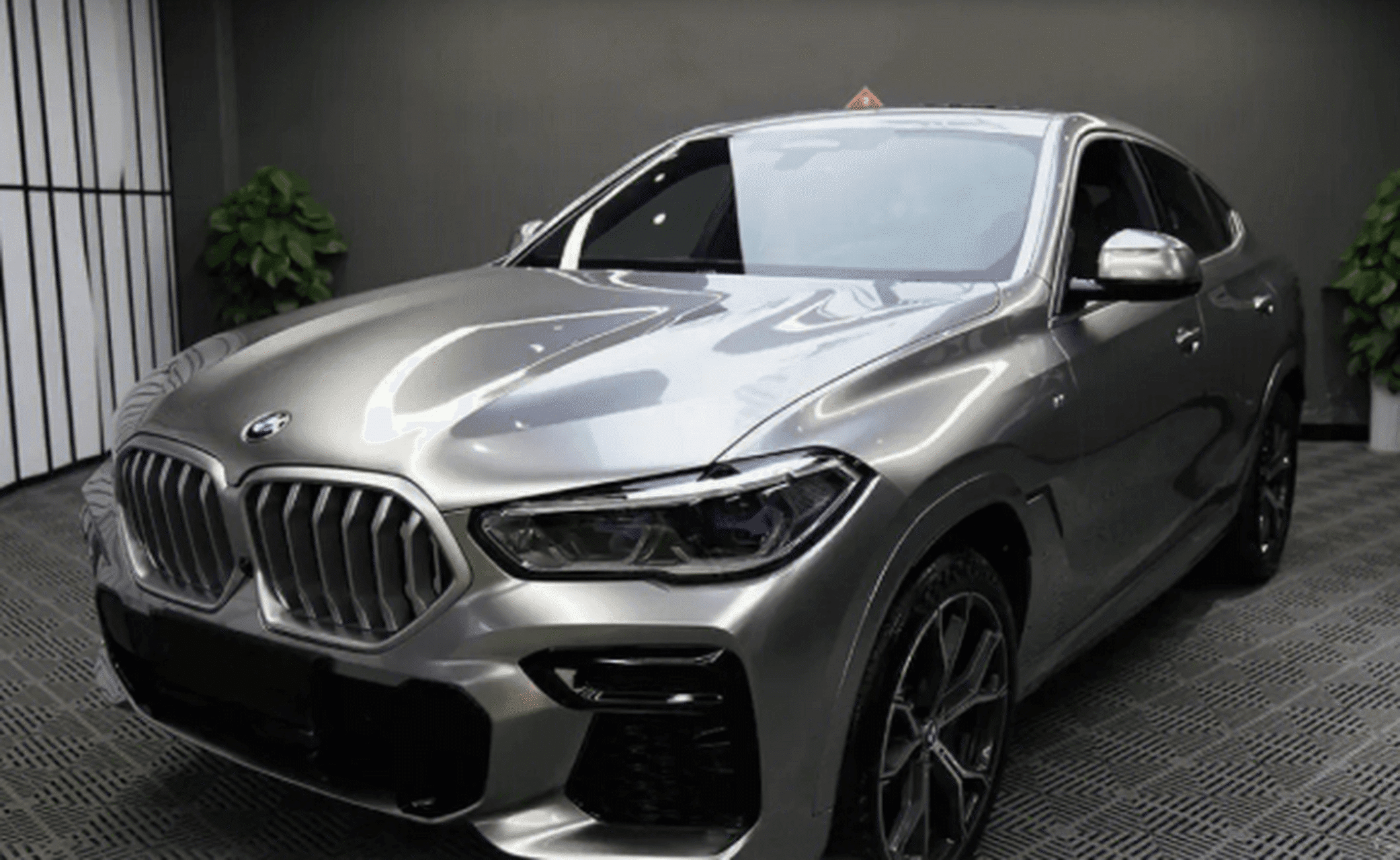
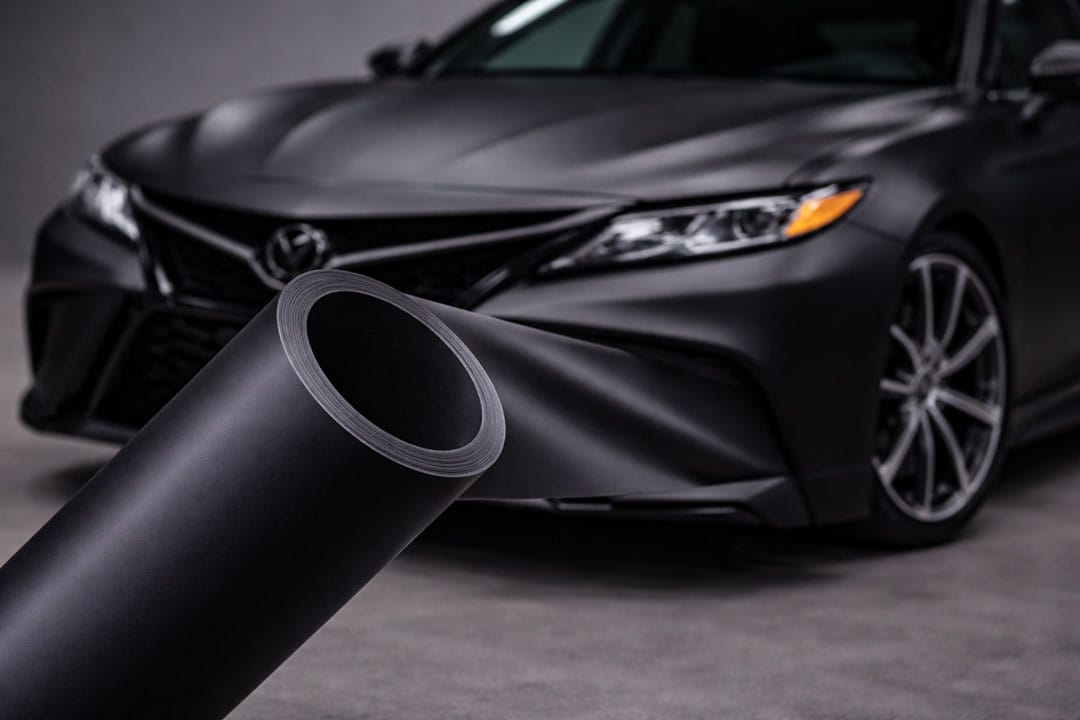
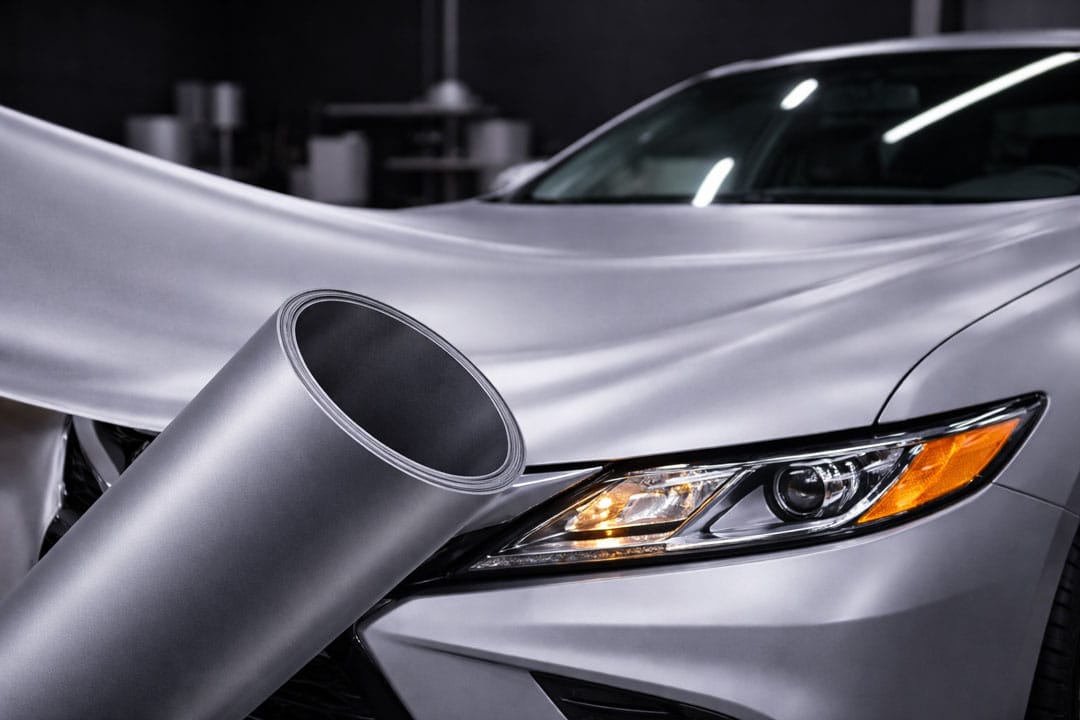
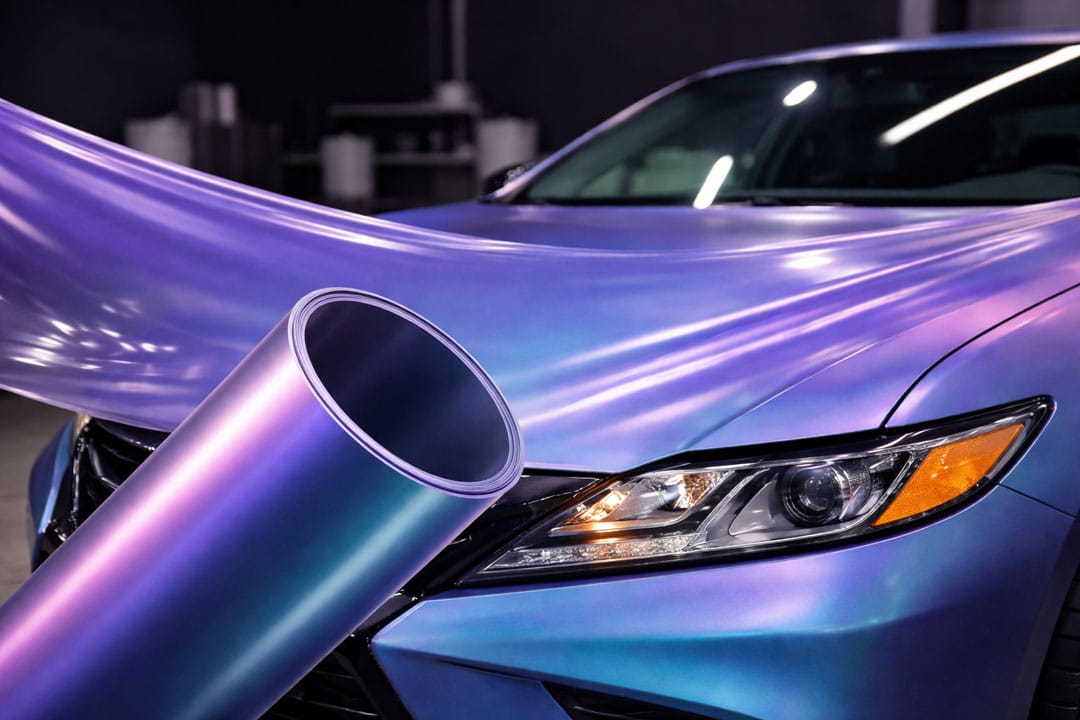

| Finish | Best for | Visual result | Operational note |
|---|---|---|---|
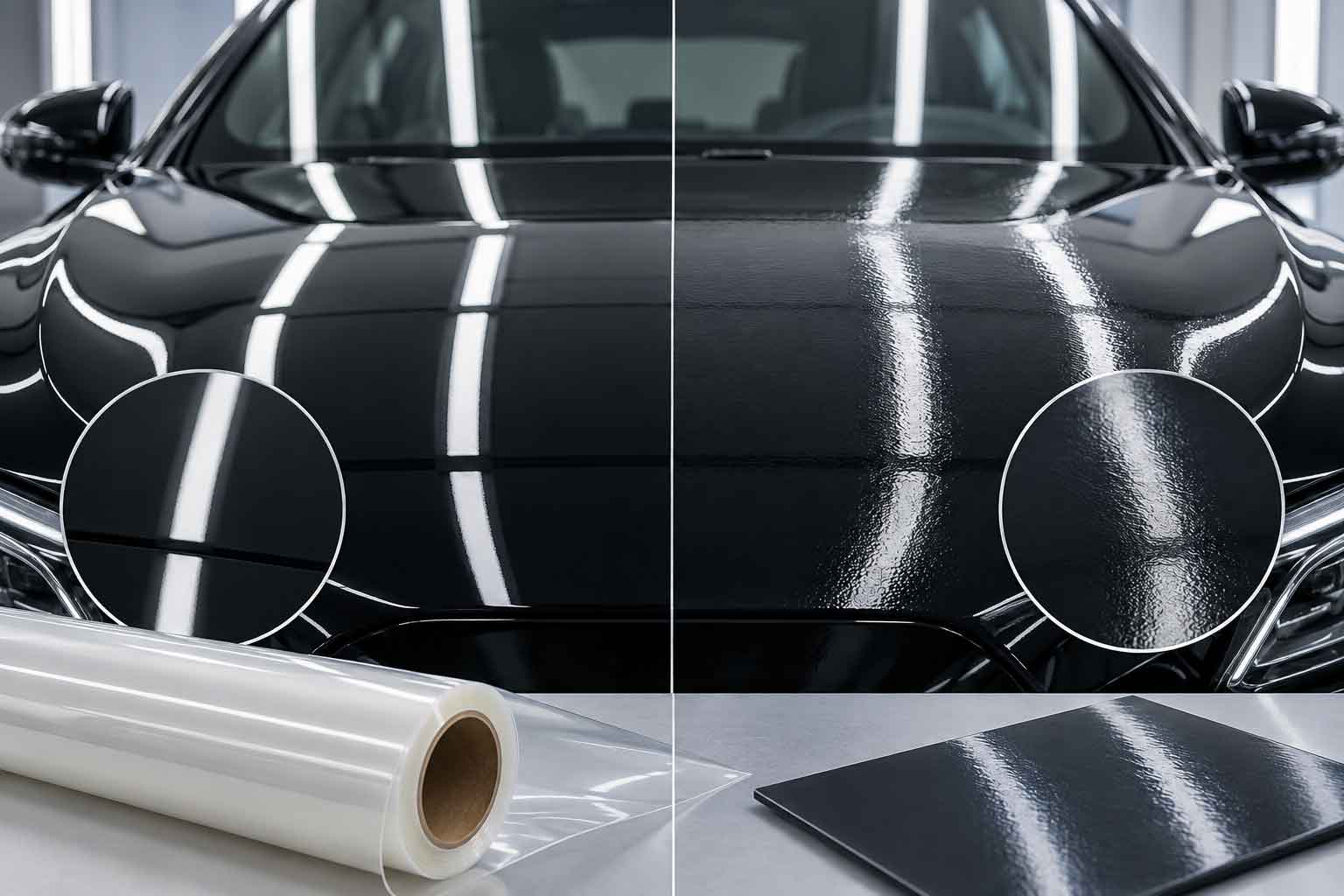
| Gloss PPF | Most drivers, OEM look | High clarity, factory-like shine | Most universal option; easiest to explain |
| Matte PPF | Matte factory paint or matte styling | Flatter, muted reflection | Requires consistent finish matching across panels |
| Satin PPF | Premium “soft sheen” look | Between gloss and matte | Popular for upscale styling without full matte |
| Specialty / Black / Color options | Branding, styling upgrades | Distinct appearance | Confirm availability by product line and market demand |
Manufacturers explicitly market both gloss and matte film lines and position them for full vehicle or high-risk panel protection.
Conversion placement recommendation: Put four buttons or anchors here: Explore Gloss / Explore Matte / Explore Satin / Request Full Catalog & Spec Sheet.
Coverage Options: Partial vs Full Front vs Full Vehicle
PPF is not a single purchase decision—it is a coverage strategy. Common manufacturer guidance describes installation on exposed areas or the entire vehicle.
Practical coverage tiers
- High-impact package (targeted panels): Front bumper, partial hood, mirrors, fender edges, door cups.
- Full front: Full bumper + full hood + full fenders + mirrors (often the best value for highway drivers).
- Full vehicle: Highest protection and best finish uniformity for premium vehicles or high-use fleets.
Decision logic: If you drive high-speed routes, gravel roads, or keep vehicles for resale value, prioritize the front end. If appearance uniformity is the priority, full vehicle becomes more compelling.
Thickness Explained: Mil vs Microns
Buyers often see thickness listed in mil (thousandths of an inch) or microns (µm). The conversion is straightforward:
- 1 mil = 25.4 microns
Technical data sheets may also list total construction thickness in microns and mil equivalents (for example, ~173 µm ≈ 6.8 mil in one published construction example).
What thickness does in real life
- More thickness can improve resistance to small impacts and abrasion.
- Higher thickness can also increase installation difficulty on tight curves and complex body lines.
- The “best” thickness is not universal—match it to vehicle geometry, driving conditions, and the finish standard you expect.
Procurement tip: Ask for the technical data sheet (TDS) and confirm thickness is specified without liners/capsheets to avoid apples-to-oranges comparisons.
PPF vs Ceramic Coating: What’s the difference?
This is one of the most searched comparison paths, so your page should answer it clearly:
- PPF: Stronger for physical protection (rock chips, abrasion) because it adds a real barrier layer.
- Ceramic coating: Commonly positioned for gloss enhancement, chemical resistance, and easier washing—not as an impact solution.
Many owners combine both: PPF for impact zones, then a surface treatment to improve cleaning and appearance.
Lifespan, Yellowing, and Appearance Stability
Premium film systems emphasize environmental resistance and gloss retention, and some specify aliphatic polyurethane constructions—commonly used for better appearance stability in automotive protective films.
However, real-world longevity depends on:
- UV exposure and climate
- Cleaning habits and chemical exposure
- Installation quality (edges, stretch, alignment)
- Storage/handling of film before installation (TDS guidance often includes storage/shelf life parameters)
Best-practice expectation setting: High-quality PPF reduces risk of visible aging, but no film is immune to harsh conditions forever.
Removal and Replacement: Will PPF damage paint?
High-quality PPF is designed to be removable. In most professional guidance, removal performed correctly (often with controlled heat and proper technique) is expected to preserve OEM paint, while poor technique can increase risk.
Commercial takeaway: If you serve installers/distributors, your sales workflow should include a “removal & replacement expectation” note: removable does not mean careless removal is risk-free.
Buyer’s Checklist: How to Choose the Right PPF
If your goal is to promote your full PPF lineup, make selection easy. This checklist also converts well as a downloadable “spec request” form.
Film selection
- Finish goal: gloss / matte / satin / specialty
- Performance focus: chip resistance, stain resistance, self-healing topcoat behavior (for minor marks)
- Documentation: ask for TDS, warranty terms, storage/shelf-life guidance
Installation and delivery standards
- Professional installation process and QC checkpoints
- Edge wrapping strategy (where feasible)
- Post-install inspection criteria (clarity, edge alignment, contamination tolerance)
Commercial/operational fit
- MOQ and lead time expectations
- Packaging and branding (if you support dealer/private label programs)
- After-sales support for claims and batch traceability
Request a full PPF catalog + TDS pack (Gloss/Matte/Satin/Specialty) and a coverage recommendation template by vehicle type.
Paint Protection Film FAQs
What is a paint protection film?
A paint protection film is a transparent protective layer installed over painted surfaces to reduce damage from chips, minor abrasion, insects, and weathering. It is also commonly called a clear bra.
What is paint protection film for a car used for?
It is primarily used to protect high-impact areas (front bumper, hood, fenders, mirrors) and preserve paint appearance over time, especially for highway driving or frequent outdoor exposure.
Is PPF worth it?
PPF is typically worth it when your expected chip/scratch risk is high (highway, gravel roads, fleet use) or when appearance preservation and resale value matter. Manufacturers market it specifically for protection against rock chips/scratches/weathering, which are common ownership costs.
Does PPF protect against scratches?
It can reduce minor scratching and surface marks, and some films include self-healing behavior for minor scratches or marks (often improved with heat). It is not a guarantee against deep scratches.
What’s the difference between gloss, matte, and satin PPF?
Gloss aims to look like OEM clear coat. Matte and satin change how light reflects, creating a flatter or “soft sheen” look. Major film lines explicitly offer gloss and matte options (and satin in specific product families).
How thick is PPF?
Thickness varies by product line and is specified in mil or microns. A common conversion is 1 mil = 25.4 microns, and technical data sheets may list thickness in microns and mil equivalents.
Can PPF be removed?
Yes—PPF is designed to be removable, and professional guidance generally states that correct removal should not harm factory paint. Removal quality and technique matter.
Does PPF turn yellow?
Modern premium films emphasize improved environmental resistance and aliphatic polyurethane constructions, which support better appearance stability, but long-term results still depend on environment, maintenance, and film quality.
Get Your PPF Recommendation Pack
If you want to evaluate PPF options quickly across gloss, matte, satin, and specialty lines, the fastest path is a structured recommendation pack:
- Finish comparison sheet
- Coverage tiers by driving scenario
- Technical data sheets (TDS) and warranty summary
- Dealer/private label options (if applicable)
Share your target finish mix and target market, and you can map the right PPF lineup to your positioning without guesswork.
Related Posts
Contact FUNO
Tell us your target market, product category, preferred specification, estimated purchasing volume, and whether you need standard or private label supply.
FUNO can help you narrow suitable film options, sample requirements, packaging needs, and the next step toward bulk purchasing.