
Applying car window tint film is usually a wet-install process. In practical terms, that means you clean the glass thoroughly, shape the film to the window, spray the glass and film with a slip solution, place the film on the inside of the glass, squeegee out water and air, trim the edges, and let the film cure. That basic workflow is consistent across major DIY guides and installer-oriented how-to pages.
The part many first-time users underestimate is that successful tint installation is less about “sticking film to glass” and more about contamination control, alignment, moisture management, and edge finishing. Dust, dirty glass, poor trimming, trapped water, and rushed aftercare are some of the most common reasons DIY tint jobs end up with bubbles, peeling, or a rough final look.
Do You Have to Use Soapy Water to Apply Window Film?
In most DIY car tint installs, yes, a mild slip solution is used, and that usually means either a light soapy-water mix or a purpose-made tint application fluid. DIY installation guides commonly recommend soapy water both for cleaning the glass and for lubricating the surface during positioning so the film can slide, align, and squeegee more cleanly. One guide specifically recommends a soap-and-water mixture and notes that the same solution can be used as lubricant if a separate application fluid is not available.
The key point is not “more soap is better.” Too much soap can work against control and bonding, while the wrong cleaning product can leave residue. The safer, more professional approach is to use a mild, controlled solution and follow the tint system’s instructions whenever they are provided.
What You Need Before You Start
Before installing tint, set up a clean workspace and gather the essential tools. Most step-by-step guides call for a spray bottle, squeegee, clean cloths or microfiber towels, a new blade or sharp utility knife, and a cleaning solution. Many also recommend working indoors or in a sheltered area to reduce wind and airborne dust, because contamination is one of the biggest reasons tint fails to look clean after installation.
It also helps to remove stickers, adhesives, or any trim pieces that interfere with access to the glass. Some precut tint guides note that pillars, mirrors, or interior trim may need to be moved or removed to get proper access, especially on more difficult windows.
How to Apply Window Film Step by Step
Step 1: Prepare the workspace
Choose a clean, dry area where wind and dust are limited. A sheltered garage or indoor work area is preferred in most DIY guides because airborne debris can land on the adhesive side of the film or the wet glass before you finish the install. Temperature also matters; one DIY guide recommends a moderate range around 65 to 75°F for easier handling.
Step 2: Clean the glass thoroughly
Clean glass is the foundation of a good tint job. Wash the window carefully, remove stickers or glue residue, and inspect the surface for dirt, lint, or small particles. DIY tint instructions commonly recommend soapy water for the wash stage and a razor blade or scrub pad for stubborn residue, followed by a clean microfiber or lint-free cloth to avoid leaving fibers behind.
This step matters more than many beginners expect. Even a tiny piece of dust can show up clearly once the film is installed, especially on side glass in direct sunlight.
Step 3: Position and shape the film on the outside of the window
A common method is to place the tint film on the outside of the glass first to size and shape it before final installation on the inside. DIY guides often tell you to unroll the film over the outside surface, cut it slightly larger than the window, and refine the shape before the final application step. This approach helps with fit and reduces the chance of making a bad cut once the adhesive side is exposed.
For more complex rear windows or curved glass, shaping may involve extra technique and, in some cases, heat shrinking. Recent installer-focused guidance on curved rear glass describes a wet-shrink method where the outside of the glass is sprayed with a soapy slip solution before the film is laid down and shaped.
Step 4: Wet the inside glass and remove the liner
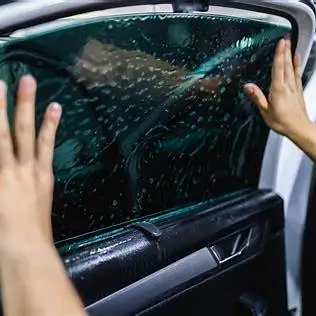
Once the film is shaped correctly, spray the inside of the glass with your slip solution. Then peel the backing liner from the tint film and keep the adhesive side controlled and clean. A standard DIY process is to wet both the glass and the film during this stage so the film can be positioned without grabbing instantly.
This is one of the most delicate parts of the install. Once the liner is off, contamination becomes a bigger risk, so the film should be handled carefully and brought onto the glass without delay.
Step 5: Place the film on the inside of the glass
After the inside glass is wetted and the liner is removed, place the film adhesive-side down onto the inside of the window. The slip solution gives you a short working window to align the film, shift it into place, and make sure the coverage sits correctly within the seals and edges.
At this stage, the goal is not to rush. The goal is to get the film sitting where it belongs before you begin to lock it down with the squeegee. Misalignment early in the process often leads to edge problems later.
Step 6: Squeegee out water and air
Once the film is aligned, use a squeegee to press out the water and trapped air. This is the step that turns a wet, floating sheet into an installed film. DIY guides consistently describe squeegeeing as the main way to smooth the film and remove bubbles and excess solution.
Good squeegee work is what gives the final install a clean look. Incomplete passes, trapped moisture, and poor edge pressure are some of the main reasons tint ends up hazy, bubbly, or uneven.
Step 7: Trim the excess film carefully
After the film is sitting correctly and most water has been pushed out, trim the excess with a fresh blade. DIY guides typically recommend cutting carefully within the edge of the glass and making sure the film fits neatly inside the seals. A clean trim matters because badly cut edges are one of the first things people notice on an amateur tint job.
Step 8: Final inspection and early cure care
After trimming, inspect the film for edge lift, contamination, trapped water, or visible bubbles. Then leave it alone long enough to bond. Aftercare instructions for automotive tint commonly recommend not opening or closing the windows and not cleaning them for at least 48 hours after installation, and many shops advise waiting several days before normal window use depending on climate and film type.
Why Rear Windows and Curved Glass Are Harder
Not all windows are equally difficult. Side windows are usually the easier entry point for beginners, while rear windshields and strongly curved glass are much harder because the film must conform to a more complex shape. Installer-oriented material on curved rear windows specifically highlights wet-shrink shaping as a key technique for handling these surfaces.
That means a beginner may be able to handle a flat or mildly curved side window but still struggle badly on a large rear windshield. This is one reason many DIY articles separate side-window installation from rear-window installation.
Common Mistakes That Ruin a Tint Job
Dirty glass
Poor cleaning is one of the fastest ways to ruin a tint install. Dust, fibers, adhesive residue, and tiny particles trapped under the film show up quickly once the tint dries. Cleanliness is a repeated priority in the strongest DIY guides for a reason.
Not using enough slip solution
Dry handling makes the film harder to position and increases the risk of creases, contamination, and premature sticking. Most DIY methods rely on a wet-install approach for control during placement.
Weak squeegee technique
If you do not remove enough water and air, the tint can dry with bubbles, cloudy patches, or weak edges. Squeegee-out is not a small detail. It is one of the core success points of the whole install.
Cutting with a dull blade
A dull blade tends to drag, tear, or create rough edges. Multiple DIY guides specifically recommend a fresh blade when trimming tint film.
Opening the windows too early
Fresh tint needs time to bond and cure. Opening the windows too early can shift the film or damage the edges before the adhesive settles. Aftercare guidance commonly recommends waiting at least 48 hours, and some install resources suggest several days depending on conditions.
DIY or Professional Installation?
DIY tinting is possible, especially with precut kits and flat side windows. Many current guides are clearly written for first-time users, which shows that the task is within reach for careful beginners.
But “possible” is not the same as “easy.” If your vehicle has complex curves, tight seals, large rear glass, or if you want a cleaner finish on the first try, professional installation is often the smarter choice. The difference usually comes down to whether you can control cleanliness, shaping, trimming, and moisture removal to a high standard.
What to Check After Installation
After the film is installed, inspect the windows for trapped dirt, silvering, edge lift, or obvious water pockets. Some mild haze or moisture can remain during the early cure period, but the film should still look properly aligned and professionally finished overall. Aftercare guidance also recommends using a soft cloth and clean water for early cleaning once the bonding period has passed.
FAQ
Do you have to use soapy water to apply window film?
In most DIY installs, yes. A mild soapy-water mix or a dedicated application fluid is commonly used to clean the glass and lubricate the surface during installation.
How to apply window film step by step?
The standard process is: prepare the workspace, clean the glass, shape the film on the outside, wet the inside glass, remove the liner, place the film on the inside, squeegee out water and air, trim the excess, and let the film cure.
Can you tint car windows yourself?
Yes, especially with precut kits and simpler side windows. Rear windows and curved glass are more difficult and often benefit from more advanced technique or professional installation.
How long should you wait before rolling windows down?
A common minimum recommendation is 48 hours, but many installers advise waiting longer depending on weather, film type, and curing conditions.
Is solar window film on a car applied differently from tint film?
In most practical DIY situations, the application process is still a wet-install tint process: clean, shape, wet, position, squeegee, trim, and cure. The key difference is usually the film specification, not the basic installation workflow.
Why Choose FUNO for Car Window Film
At FUNO, we look at car window film as a product that depends just as much on installation quality as on film quality. A strong film still needs clean glass, proper moisture control, careful trimming, and correct cure time to deliver the finish customers expect.
That is why we focus on solutions that are easier to work with, clearer in performance positioning, and better suited to real installation conditions. Whether your goal is DIY-friendly film, installer-focused supply, or a better understanding of how tint should be applied, the right result starts with the right process.
Related Posts





Contact FUNO
Tell us your target market, product category, preferred specification, estimated purchasing volume, and whether you need standard or private label supply.
FUNO can help you narrow suitable film options, sample requirements, packaging needs, and the next step toward bulk purchasing.