
Paint protection film cost usually ranges from a few hundred dollars for partial front coverage to several thousand dollars for full body PPF. The final car PPF price depends on coverage area, vehicle size, film quality, installer skill, paint preparation, edge wrapping, finish type, warranty support, and regional labor cost.
For most drivers, full front paint protection film offers the best balance between cost and protection because it covers the areas most exposed to stone chips and road debris. For luxury cars, SUVs, sports cars, matte paint, dark paint, or long-term ownership, full body paint protection film may be worth the higher investment.
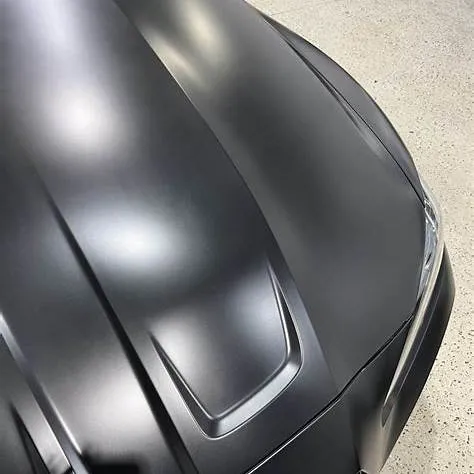
Quick Answer: Average Paint Protection Film Cost
The average cost of paint protection film depends mainly on how much of the vehicle you want to protect. A small partial-front package costs much less than a full vehicle installation because it uses less film and requires less installation time.
Many 2025–2026 market price guides place partial front PPF around $600–$1,500, full front coverage around $1,500–$3,500, and full vehicle PPF commonly around $4,000–$8,000+, with premium or complex vehicles costing more.
| Paint Protection Film Coverage | Typical Protected Areas | General Price Range | Best For |
|---|---|---|---|
| Partial Front PPF | Front bumper, partial hood, mirrors | $600–$1,500 | Basic front-end protection |
| Full Front PPF | Full hood, front bumper, fenders, mirrors, headlights | $1,500–$3,500 | Most daily drivers |
| Track Package PPF | Full front + rocker panels + high-impact side areas | $2,000–$4,000 | Highway driving and sports cars |
| Full Body PPF | All painted exterior panels | $4,000–$8,000+ | Luxury cars, SUVs, long-term ownership |
| Premium Full Body PPF | Complex vehicles, exotic cars, matte or colored film | $8,000–$12,000+ | High-end protection and specialty finishes |
These are practical reference ranges, not fixed quotes. A compact sedan, a large SUV, and a performance car can have very different paint protection film prices because they require different film quantities, installation time, and preparation work.
What Is Included in Paint Protection Film Cost?
Paint protection film cost usually includes the film material, surface preparation, cutting, installation labor, edge finishing, inspection, and sometimes warranty support. The exact package depends on the installer and the coverage level.
A basic quote may only include the film and standard installation. A higher-end quote may include paint decontamination, light paint correction, wrapped edges, premium self-healing film, longer warranty support, and post-installation inspection.
Before comparing prices, it is important to confirm what is actually included. A low quote may exclude important areas such as headlights, door edges, door cups, rocker panels, rear luggage area protection, or paint correction.
Paint Protection Film Cost by Coverage Area
Coverage area is the biggest cost driver. The more panels you cover, the more film and labor are required.
Partial Front Paint Protection Film Cost
Partial front PPF is usually the lowest-cost option. It normally covers the front bumper, mirror caps, and part of the hood or fenders.
This option is suitable for drivers who want basic protection but do not want to invest in a full front or full body package. The main limitation is that the film edge may be visible across the hood if only partial hood coverage is used.
Full Front Paint Protection Film Cost
Full front PPF usually protects the full hood, front bumper, front fenders, mirror caps, and often the headlights. For many car owners, this is the best-value option because the front of the vehicle receives the most direct impact from road debris.
Full front coverage is especially useful for highway driving, daily commuting, long-distance travel, and vehicles with low front bumpers.
Track Package Paint Protection Film Cost
A track package usually expands protection beyond the full front. It may include rocker panels, A-pillars, lower doors, rear wheel impact areas, or other zones exposed to high-speed debris.
This option is common for sports cars, performance vehicles, and drivers who frequently travel on highways or rougher roads.
Full Body Paint Protection Film Cost
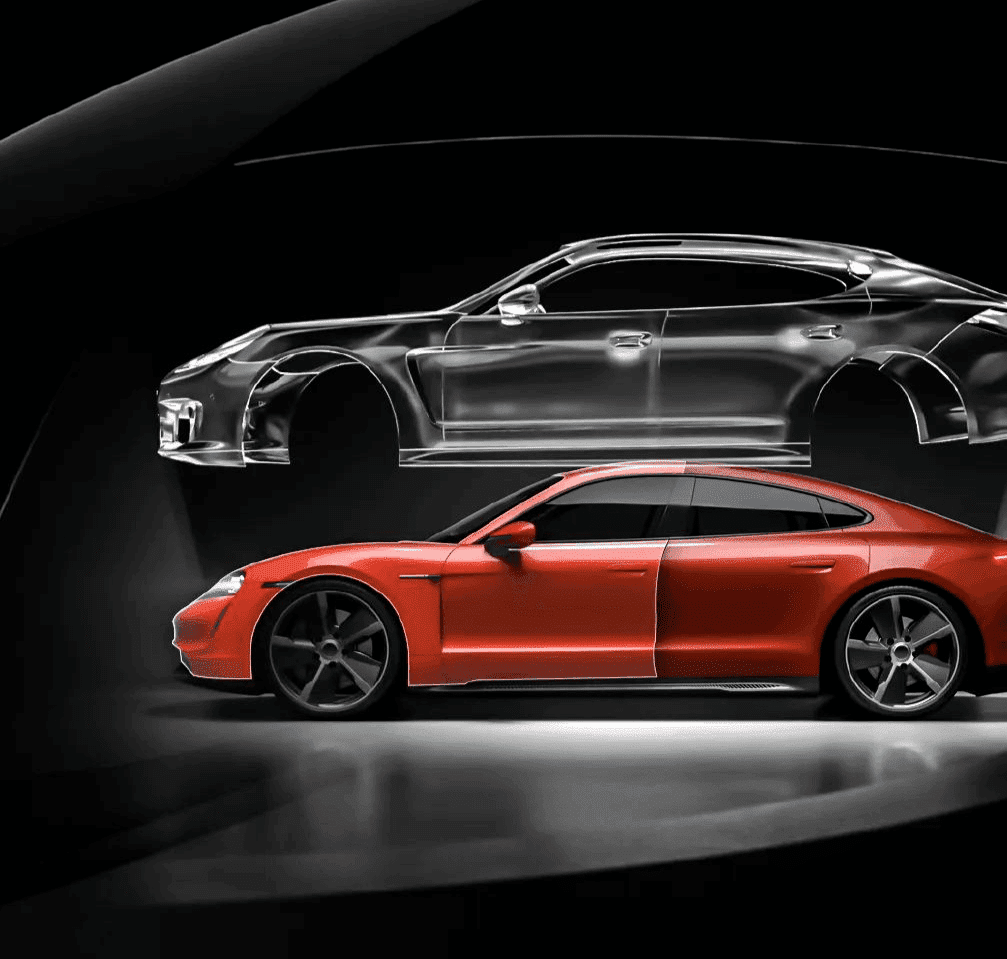
Full body PPF covers nearly all painted exterior panels. This may include the hood, bumper, fenders, doors, roof, rear quarter panels, trunk, rear bumper, rocker panels, and side areas.
Full body paint protection film costs more because it requires more material, more cutting, more fitting, more edge work, and more installation time. Full body installations are often quoted around $4,000–$8,000+, while some premium or regional markets can reach higher ranges depending on vehicle size and complexity.
Full Paint Protection Film Cost for the Entire Car
Full paint protection film cost is higher because the entire exterior finish needs to look consistent. When every painted panel is covered, the installer must control film alignment, finish consistency, edge tension, trimming quality, and contamination more carefully.
A full car PPF installation usually protects:
- Hood
- Front bumper
- Front fenders
- Mirror caps
- Doors
- Roof
- Rear quarter panels
- Trunk or tailgate
- Rear bumper
- Rocker panels
- Side skirts
- Other painted exterior panels
Some full body PPF packages may include headlights, door cups, and door edges. Others treat these as optional add-ons. Windshield protection film, window tint, ceramic coating, wheel coating, and glass coating are usually separate services.
Paint Protection Film Cost for SUV, Sedan, and Sports Cars
Vehicle size and body design can change the cost of car paint protection film significantly. Larger vehicles need more film and more labor. Complex body shapes also take longer to install.
| Vehicle Type | Cost Level | Why the Price Changes |
|---|---|---|
| Compact Sedan | Lower to medium | Smaller surface area and simpler panels |
| Midsize Sedan | Medium | Larger hood, doors, and rear panels |
| SUV | Medium to high | Larger panels, taller body, more film usage |
| Pickup Truck | Medium to high | Larger front end, bed-side panels, more exposed areas |
| Sports Car | High | Curved panels, low bumpers, splitters, vents |
| Luxury Vehicle | High to premium | Higher paint value and finish expectations |
| Exotic Car | Premium | Complex design, precision work, longer labor time |
| Matte Paint Vehicle | Premium | Finish consistency and repair difficulty increase risk |
SUVs often cost more than sedans because they have larger hoods, taller doors, bigger bumpers, and more vertical surface area. In higher-cost markets, full body PPF for SUVs can easily move into the $6,000–$9,000 range depending on the vehicle and installation package.
Clear Paint Protection Film Cost
Clear paint protection film is the most common option for drivers who want protection without changing the original vehicle color. It is designed to preserve the factory paint appearance while adding a transparent protective layer.
Clear PPF cost still varies by quality level. A basic clear film may cost less, while a premium clear PPF with better optical clarity, self-healing top coat, anti-yellowing resistance, stain resistance, and stable adhesive will usually cost more.
Clear PPF is not always the cheapest choice simply because it is transparent. The real cost depends on the film structure, coating quality, adhesive behavior, thickness, durability, and installer requirements.
For professional buyers, the key question is not only “How much does clear paint protection film cost?” but also whether the film can deliver stable clarity, clean installation, long-term appearance, and reliable batch consistency.
Gloss, Matte, Satin, and Colored PPF Price Differences
Paint protection film price can also change based on finish type. Gloss clear PPF is usually the standard choice. Matte PPF, satin PPF, black PPF, colored PPF, and specialty finish PPF may cost more because the material price and installation requirements can be higher.
Matte and satin finishes need stronger finish consistency because uneven tension or poor installation can be easier to notice. Colored PPF adds both protection and visual change, so buyers often compare it with vinyl wrap, repainting, or clear PPF plus styling upgrades.
Color PPF is often priced higher than clear film because it must deliver both appearance and paint protection at the same time. Some market comparisons place colored PPF at a premium over clear PPF, depending on the film type and installation difficulty.
Why Does Paint Protection Film Price Vary So Much?
Two vehicles can receive very different paint protection film quotes even when the coverage sounds similar. The difference usually comes from material quality, installation scope, labor time, and finish expectations.
Coverage Area
A bumper-only installation costs much less than full front or full body PPF. More coverage means more film, more cutting, more edges, and more installation hours.
Vehicle Size
A large SUV, truck, or EV usually costs more than a compact sedan because it has larger panels and requires more film.
Body Shape
Curved bumpers, vents, parking sensors, splitters, spoilers, and complex edges increase installation difficulty. Sports cars and exotic vehicles usually require more time and precision.
Film Quality
Premium PPF usually costs more because it uses better TPU material, stronger top coat, improved clarity, better stain resistance, self-healing performance, and more stable adhesive.
Paint Preparation
Paint protection film should be installed on a clean and properly prepared surface. Even a new car may have transport marks, dealer wash marks, wax residue, dust, rail dust, or light scratches. Preparation work can increase cost, but it also improves the final appearance.
Edge Wrapping
Some installations are trimmed close to panel edges. Others include more edge wrapping for a cleaner look. Wrapped edges often look better, but they take more time and skill.
Installer Skill
A good installer can reduce bubbles, lifting, stretch marks, contamination, and visible seams. Skilled installation is a major part of the final price.
Regional Labor Cost
PPF pricing changes by city, state, and country. High-cost regions usually have higher installation prices because shop rent, labor, insurance, and service costs are higher.
Material Cost vs Installation Cost
The cost of paint protection film is not only the price of the roll. Professional installation is usually the larger part of the total price because PPF requires careful preparation, cutting, stretching, alignment, trimming, and finishing.
The material cost may represent only part of the final quote. The rest reflects installation time, shop overhead, installer experience, warranty handling, and aftercare support.
This is why professional PPF installation can cost much more than the raw film material. Full vehicle coverage requires several days of detailed work in many cases.
Is Paint Protection Film Worth the Cost?
Paint protection film is worth the cost when the vehicle is exposed to stone chips, road debris, insects, tree sap, bird droppings, light scratches, salt, sand, or daily driving wear.
It is especially valuable when you want to preserve the original paint. Factory paint is difficult to replace perfectly after chips, repainting, sanding, or color mismatch. PPF helps reduce visible damage before it reaches the paint surface.
PPF Is Worth It When
Paint protection film is a strong choice when:
- You drive frequently on highways.
- Your area has gravel, construction zones, sand, salt, or road debris.
- You own a luxury, sports, exotic, or high-value vehicle.
- Your vehicle has dark paint that shows marks easily.
- Your vehicle has matte paint that is harder to repair.
- You plan to keep the car for several years.
- You want to reduce stone chips on the front bumper and hood.
- You care about long-term appearance and resale presentation.
PPF May Not Be Necessary When
Paint protection film may not be the best investment when:
- You rarely drive the vehicle.
- You lease the car for a short time.
- You only need easier washing and gloss.
- You are comfortable with normal paint wear.
- Your budget is limited.
- You plan to repaint, wrap, or modify the vehicle soon.
- You only want temporary shine rather than physical protection.
In these situations, ceramic coating, wax, sealant, or partial PPF may be more practical.
Paint Protection Film vs Ceramic Coating Cost
Many car owners compare paint protection film with ceramic coating. They are different solutions.
PPF is a physical film layer. It helps protect against stone chips, road debris, light scratches, and daily impact. Ceramic coating is a liquid coating that improves gloss, hydrophobic behavior, and cleaning convenience, but it does not provide the same physical impact protection.
| Option | Cost Level | Rock Chip Protection | Easier Cleaning | Best For |
|---|---|---|---|---|
| Partial Front PPF | Lower | Good in selected areas | Moderate | Budget protection |
| Full Front PPF | Medium | Strong in high-impact areas | Moderate | Most daily drivers |
| Full Body PPF | High | Strong across painted panels | Moderate to high | Maximum paint preservation |
| Ceramic Coating | Lower than full body PPF | No | High | Gloss and easier washing |
| Full Front PPF + Ceramic Coating | Medium to high | Strong on front areas | High | Balanced protection and maintenance |
For many vehicles, full front PPF plus ceramic coating is a practical combination. The film protects high-impact areas, while the coating improves washing and gloss on the rest of the vehicle.
How to Compare Car Paint Protection Film Quotes
A paint protection film quote should not be judged by price alone. The lowest price can be attractive, but it may not include the same film quality, coverage, paint preparation, edge wrapping, warranty, or installation standard.
| Question to Ask | Why It Matters |
|---|---|
| What film material will be used? | Film quality affects clarity, durability, and yellowing resistance. |
| What coverage areas are included? | Some quotes exclude headlights, rocker panels, or door edges. |
| Is paint preparation included? | Surface preparation affects the final finish. |
| Are edges wrapped or trimmed? | Edge finishing affects appearance and lifting risk. |
| What finish is included? | Gloss, matte, satin, and colored PPF may have different prices. |
| Is there a warranty? | Warranty support helps protect long-term value. |
| How long will installation take? | Full body PPF often requires several days. |
| Can I see completed work? | Real examples show installation quality. |
| What aftercare is recommended? | Proper maintenance helps extend film life. |
A cheap quote may become expensive if the film yellows, edges lift, adhesive fails, dirt is trapped under the film, or the finish looks uneven.
What Good PPF Quality Means for the Final Price
A good paint protection film should protect the vehicle without making the finish look dull, hazy, uneven, or poorly wrapped. Quality becomes even more important when the film is installed on large areas or the full vehicle.
Professional PPF quality depends on several factors.
Optical Clarity
Clear PPF should preserve the original paint appearance. Poor clarity can make the paint look cloudy or less refined.
Self-Healing Top Coat
A self-healing top coat helps reduce light surface scratches and wash marks. This improves long-term appearance and makes the film easier to maintain.
Anti-Yellowing Resistance
Yellowing is more visible on white, silver, and light-colored vehicles. Better anti-yellowing performance helps the film maintain a cleaner look over time.
Adhesive Stability
The adhesive should hold the film securely while allowing clean removal when handled correctly. Poor adhesive can cause lifting, marks, or residue problems.
Stain Resistance
PPF should resist common contamination such as insects, road grime, tree sap, bird droppings, and environmental dirt.
Stretch and Installation Stability
Good PPF should stretch cleanly on curves without creating tension marks, distortion, or edge lifting.
Roll Consistency
Installers and distributors need stable roll quality. Consistent thickness, coating, adhesive behavior, and finish help reduce installation risk and after-sales problems.
How Installers and Film Buyers Should Evaluate PPF Price
For installers, distributors, and automotive film buyers, paint protection film price should not be judged only by the roll cost. A lower material price may reduce the first purchase cost, but unstable quality can increase customer complaints, installation waste, rework, and warranty pressure.
Professional buyers should evaluate:
- Film clarity
- Coating durability
- Adhesive stability
- Anti-yellowing performance
- Self-healing response
- Cutting compatibility
- Roll consistency
- Packaging protection
- Technical support
- Sample testing availability
Good PPF supports cleaner installation, fewer after-sales issues, and better customer satisfaction. This is especially important for shops and distributors that want repeat orders and stable market reputation.
How to Choose the Right Paint Protection Film Coverage
The best paint protection film package depends on vehicle value, driving conditions, budget, and protection goals.
Choose partial front PPF if you want basic front-end protection at a lower cost.
Choose full front PPF if you want strong protection for the areas most exposed to road debris.
Choose track package PPF if you drive frequently on highways, mountain roads, or high-speed routes.
Choose full body PPF if you own a high-value vehicle, dark paint vehicle, matte paint vehicle, SUV, sports car, or a car you plan to keep for many years.
Choose clear PPF if you want protection without changing the factory paint color.
Choose matte, satin, black, or colored PPF if you want both paint protection and a different exterior finish.
Practical Buying Recommendation
Paint protection film cost should be judged by value, not only by the lowest quote. A proper PPF installation protects the areas most likely to be damaged and helps preserve the appearance of the original paint.
For most daily drivers, full front PPF is the best-value starting point. It protects the bumper, hood, fenders, mirrors, and headlights, where stone chips and road debris are most common.
For SUVs, luxury cars, sports cars, matte paint, dark paint, and long-term ownership, full body paint protection film can be a stronger investment because it protects the entire painted exterior.
For installers, distributors, and automotive film buyers, the best PPF choice should balance price with clarity, adhesive stability, self-healing performance, anti-yellowing resistance, finish consistency, and roll reliability.
FUNO provides paint protection film options for clear gloss, matte, satin, colored, and specialty automotive protection applications. Sample testing is available to help professional buyers evaluate film clarity, coating performance, adhesive behavior, and installation suitability before bulk orders.
FAQ About Paint Protection Film Cost
How much does paint protection film cost for a car?
Paint protection film cost can range from $600–$1,500 for partial front coverage to $4,000–$8,000+ for full body PPF. The final price depends on coverage area, vehicle size, film quality, installer skill, and regional labor cost.
What is the average cost of paint protection film?
The average cost depends on the selected package. Full front PPF is commonly around $1,500–$3,500, while full body PPF is often several thousand dollars more.
How much is paint protection film for an SUV?
SUV paint protection film usually costs more than sedan PPF because SUVs have larger panels and require more material. Full body PPF for an SUV can often fall around $6,000–$9,000 in higher-cost markets, depending on the vehicle and installation package.
How much does full paint protection film cost?
Full paint protection film for the entire car often costs around $4,000–$8,000+. Premium vehicles, exotic cars, large SUVs, matte finishes, and complex installations can cost more.
Is clear paint protection film cheaper than matte or colored PPF?
Clear gloss PPF is usually the standard option and may cost less than matte, satin, or colored PPF. However, premium clear PPF can still be expensive if it has strong clarity, self-healing performance, anti-yellowing resistance, and stable adhesive.
Why is car paint protection film so expensive?
Car paint protection film is expensive because it requires high-quality film, careful surface preparation, skilled installation, precise cutting, edge finishing, and warranty support. Full body PPF also requires much more material and labor than partial coverage.
Is paint protection film worth the price?
Paint protection film is worth the price if you want to reduce stone chips, road debris damage, light scratches, and visible wear. It is especially useful for highway driving, luxury cars, SUVs, sports cars, dark paint, matte paint, and long-term ownership.
What is the best alternative if full body PPF is too expensive?
Full front PPF is usually the best alternative. It protects the highest-risk areas while keeping the total cost much lower than full body PPF. Another option is full front PPF plus ceramic coating for balanced protection and easier cleaning.
Satin PPF combines paint protection with a softer low-gloss appearance positioned between traditional gloss and matte finishes. It is suitable for premium styling and protection programs.
Colored PPF combines visible color change with a protection-oriented TPU film structure. It is suitable for distributors and installer networks building styling-focused PPF product lines.
Matte PPF provides paint protection with a low-gloss finish. It can help preserve factory matte paint or create a more understated appearance on compatible painted surfaces.
Clear gloss TPU PPF designed to protect vehicle paint while maintaining a bright OEM-style finish. Suitable for mainstream installer programs, premium detailing channels, distributors, and private label PPF lines.
Related Posts
Contact FUNO
Tell us your target market, product category, preferred specification, estimated purchasing volume, and whether you need standard or private label supply.
FUNO can help you narrow suitable film options, sample requirements, packaging needs, and the next step toward bulk purchasing.