
If you want the short answer, here it is: colored PPF is usually the better choice when paint protection, durability, and long-term ownership matter more, while vinyl wrap is usually the better choice when lower upfront cost and broader style freedom matter more. In many real-world installs, PPF is also harder than vinyl wrap because it is typically thicker and more demanding to handle cleanly around edges, curves, and finish details.
That does not mean one product wins in every situation. Both can transform a vehicle’s appearance. The difference is that vinyl wrap is mainly a styling solution, while colored PPF is a styling solution plus a genuine protective layer. The right decision depends on what you care about most: visual change, chip resistance, easier long-term ownership, installer workflow, or total project budget.
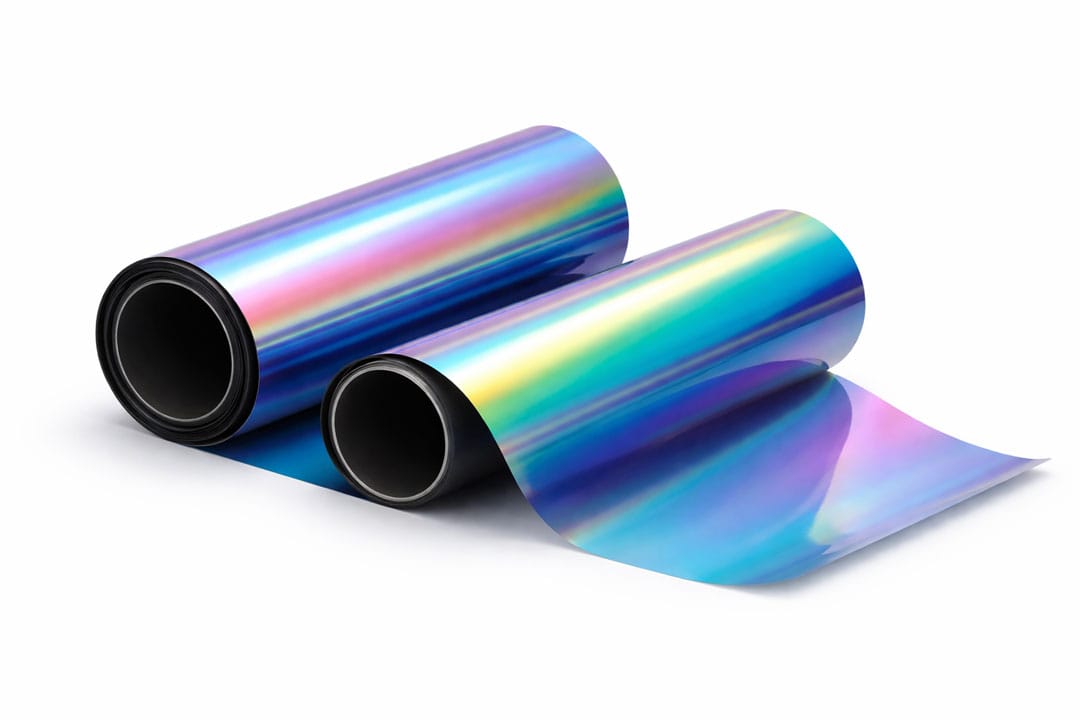
What Is the Difference Between Colored PPF and Vinyl Wrap?
What colored PPF is designed to do
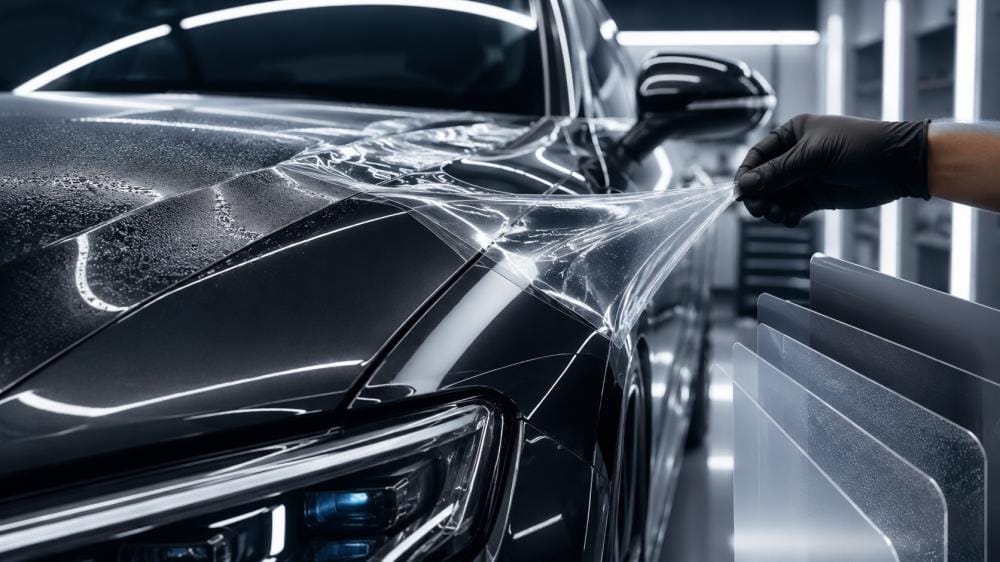
Colored PPF is built to change the vehicle’s color while also protecting the original paint. It as a thicker TPU-based film with stronger resistance to chips, scratches, and road wear than standard vinyl wrap, and many premium versions also promote self-healing behavior. In other words, colored PPF is not only about appearance. It is also about preserving the paint underneath.
What vinyl wrap is designed to do
Vinyl wrap is primarily used for style change, color change, branding, or finish experimentation. It can dramatically alter how a vehicle looks, and it often gives buyers more visual variety at a lower entry cost. But the core reason to choose vinyl is usually creative freedom and budget efficiency, not maximum paint defense.
Why they are often compared
They are compared because both can deliver a full color transformation, yet they solve different ownership problems. A buyer looking at matte black, satin grey, or a custom tone may discover that both products can create a similar visual direction. The real question then becomes: Do you want a style-first film or a style-plus-protection film? That is the point where colored PPF and vinyl wrap separate clearly.
Colored PPF vs Vinyl Wrap: Head-to-Head Comparison
| Comparison Point | Colored PPF | Vinyl Wrap |
|---|---|---|
| Main role | Color change + paint protection | Color change + style expression |
| Material direction | Usually TPU-based protective film | Usually PVC/cast vinyl wrap film |
| Best against | Chips, scratches, road wear | Visual change with limited physical protection |
| Self-healing | Common on premium systems | No |
| Durability | Usually stronger and longer-lasting | Usually shorter service life |
| Design freedom | Good, but more limited than wrap catalogs | Usually broader finish and design variety |
| Budget position | Higher upfront cost | Lower upfront cost |
| Best fit | Protection-first owners | Style-first or budget-first projects |
This is the simplest way to frame the decision. Colored PPF usually wins on protection and longevity. Vinyl wrap usually wins on cost and styling freedom. The right answer depends on which side of that trade-off matters more in your project.
Is Colored PPF Better Than Vinyl Wrap?
Better for protection and long-term ownership
If your top priority is keeping the original paint safer from everyday damage, colored PPF is usually better than vinyl wrap. Current comparison pages repeatedly position colored PPF as the stronger option for rock chips, scratch resistance, and general road-wear defense. Some comparison content also emphasizes longer service life and stronger durability than vinyl wrap.
Better for lower cost and visual experimentation
If your main goal is to change the look of the vehicle at a lower entry price, vinyl wrap still makes a lot of sense. It remains attractive for buyers who care more about color, finish variety, branding potential, or short-to-medium-term visual change than about heavy-duty paint preservation. That is why vinyl remains strong in style-driven projects even when colored PPF is available.
The real answer depends on what you value most
So, is colored PPF “better” than wrap? Usually yes for protection-first buyers, but not always for style-first or cost-first buyers. If you are trying to protect a newer car, preserve resale condition, or keep the original paint safer over a longer ownership cycle, colored PPF is usually the stronger answer. If you want design variety and a lower initial spend, vinyl wrap may still be the better fit.
Is PPF Harder Than Vinyl Wrap?
In many cases, yes
PPF is often harder than vinyl wrap to install. Comparison pages and installer discussions consistently describe PPF as more technical, more time-intensive, and less forgiving in many scenarios because it is thicker and often requires tighter control over stretching, trimming, moisture, and edge finishing. Several sources also note that full PPF jobs commonly take longer than full vinyl wrap jobs.
Why installers say PPF feels different
The challenge is not just thickness by itself. PPF often behaves differently during pulls, edge wrapping, and finishing, and many installers describe a steeper learning curve compared with standard cast vinyl. Some newer dry-apply color PPF systems may reduce that gap in certain use cases, but the broader pattern in current content still points to PPF as the more demanding install.
What this means for buyers
For buyers, installation difficulty matters because it affects labor cost, installer selection, finish quality, and total project confidence. If the product is harder to install, installer skill becomes part of the buying decision. That is especially important when choosing colored PPF, because a stronger material can still produce a disappointing result if the installation quality is weak.
Which Option Is Better for Different Types of Buyers?
Best for protection-first owners
If you drive often on highways, care about rock-chip exposure, or want stronger long-term preservation of the original paint, colored PPF is usually the better choice. This is especially true for newer vehicles, premium finishes, and owners who plan to keep the car longer and want the color change without giving up real paint protection.
Best for budget-first or style-first projects
If the vehicle is more about visual expression, frequent look changes, or cost control, vinyl wrap still makes strong sense. It is usually easier to justify when the main goal is a new finish rather than a protective upgrade, or when the buyer wants the broadest range of colors, graphics, textures, or branding effects without stepping into a higher protection-film budget.
Best for premium appearance plus real protection
If you want both a dramatic color change and a more serious ownership logic behind the install, colored PPF is usually the more complete answer. It offers a stronger value story for buyers who are not just styling the car, but actively trying to preserve it. That is why colored PPF is often positioned as a more premium route rather than just a wrap alternative.
When Colored PPF Makes More Sense Than Vinyl Wrap
Colored PPF makes more sense when the vehicle will stay in the finish for a longer period, when the owner wants more than cosmetic change, and when road wear is part of daily use. It is also the stronger choice when the project goal is to keep the factory paint safer underneath the color-change layer. In these scenarios, the higher initial price can make sense because the product is serving two roles at once: appearance change and paint protection.
When Vinyl Wrap Still Makes More Sense
Vinyl wrap still makes more sense when flexibility, price, or design freedom matter more than physical paint defense. It is a strong fit for temporary style changes, more aggressive visual experimentation, project cars with frequent aesthetic updates, or buyers who simply want a new look without paying for a thicker protective system. In those situations, vinyl remains highly relevant.
Common Mistakes When Comparing Colored PPF and Vinyl Wrap
Comparing only by color and finish
One of the biggest mistakes is comparing only the final appearance. Two cars may look similar from a distance, but the ownership experience behind them can be very different. Protection level, lifespan, maintenance behavior, and installer demands all matter just as much as color or gloss.
Ignoring installation difficulty
Another common mistake is assuming any wrap installer can deliver the same result with colored PPF. Because PPF is often more technical to install, labor capability becomes part of the material decision. The harder the film system, the more important the installer’s real experience becomes.
Choosing only by upfront price
Lower price can be the right choice in the right project, but only if it matches the real goal. If the buyer wants long-term paint preservation and chooses vinyl wrap only because it is cheaper, the result may miss the main need. If the buyer only wants style and chooses colored PPF for protection they do not actually value, they may be overbuying.
Questions to Ask Before You Choose
| What to Ask | Why It Matters | A Strong Answer Looks Like |
|---|---|---|
| Is protection or appearance the main goal? | Prevents choosing the wrong category | The project has a clear priority before material selection |
| How long will the car stay in this finish? | Helps judge value vs upfront cost | Short-term style change or long-term ownership is clearly defined |
| Will the vehicle see highway or chip-prone use? | Important for protection-first decisions | Real road exposure is matched to the material |
| Is the installer stronger in wrap or PPF? | Finish quality and labor difficulty matter | The chosen product fits the installer’s real skill set |
| Is reversibility important? | Affects preservation logic and future changes | There is a clear plan for removal, updates, or return to OEM paint |
These are the questions that move the decision from “which one sounds better” to “which one actually fits the project.” That is the difference between buying a finish and choosing a full vehicle-surface strategy.
FAQ
What is the difference between colored PPF and vinyl wrap?
Colored PPF is generally a color-change protection film, while vinyl wrap is generally a style-change film. Both can transform appearance, but colored PPF usually adds stronger paint protection and longer-term durability.
Is colored PPF better than wrap?
It is usually better when protection, durability, and long-term ownership matter more. Vinyl wrap is usually better when lower cost and broader design freedom matter more.
Is PPF harder than vinyl wrap to install?
In many cases, yes. PPF is commonly described as thicker and more technical to install, which can increase labor difficulty and make installer experience more important.
Does colored PPF last longer than vinyl wrap?
Comparison content generally positions colored PPF as the longer-lasting option, with stronger durability and better resistance to scratches and road wear than standard vinyl wrap.
Which one is better for protecting the original paint?
Colored PPF is usually the better choice for protecting the original paint because protection is part of its core product purpose, not just a side benefit.
Why Choose FUNO for Colored PPF Solutions
At FUNO, we do not treat colored PPF and vinyl wrap as two interchangeable color-change products. We treat them as two different project directions. Some buyers want the widest visual freedom at the lowest practical entry cost. Others want color change, but they also want the original paint to stay better protected over the life of the vehicle.
That is why our recommendation logic starts with protection goal, style goal, budget logic, and installation reality. If the project is protection-first, colored PPF usually makes more sense. If the project is style-first and cost-sensitive, vinyl may still be the better answer. The right result depends on what the vehicle needs to do after it looks different.
Related Posts


Contact FUNO
Tell us your target market, product category, preferred specification, estimated purchasing volume, and whether you need standard or private label supply.
FUNO can help you narrow suitable film options, sample requirements, packaging needs, and the next step toward bulk purchasing.