
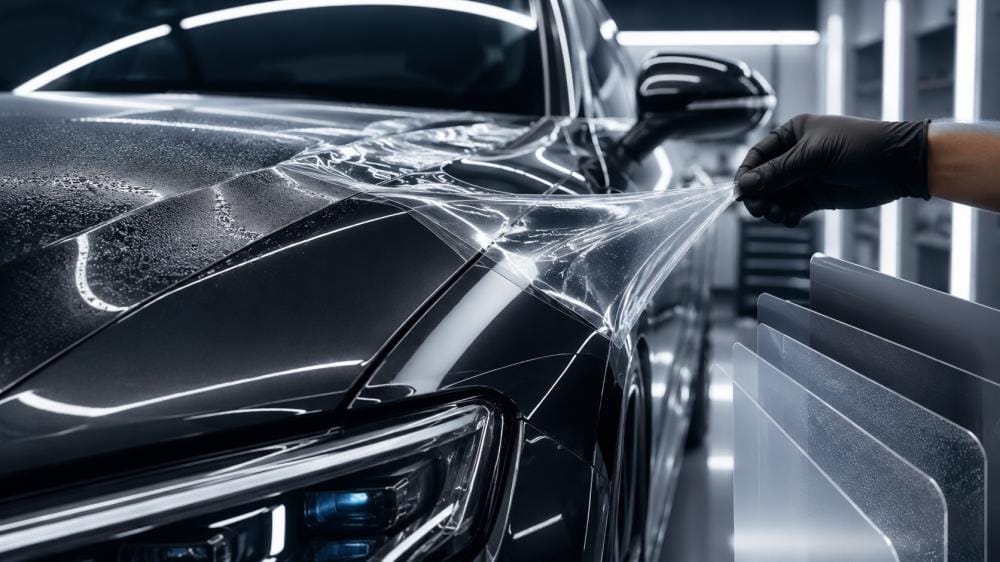
Yes, paint protection film can help protect your paint from sun-related damage. High-quality PPF adds a clear barrier over the paint and clear coat, and premium films are built to handle harsh outdoor weathering, including ultraviolet exposure. In practical terms, that means PPF can help reduce UV-driven fading, oxidation, loss of gloss, and long-term surface wear, while also protecting against rock chips and everyday road damage.
At the same time, PPF is not a total shield against every long-term effect of heat and sunlight. It can slow sun-related paint aging, but it does not make a vehicle immune to years of outdoor exposure, poor washing habits, or low-grade materials. Film quality also matters because long-term sun performance depends on the film’s UV stability, anti-yellowing design, and overall durability.
The Short Answer
Yes, but the protection has limits
If your question is simply whether PPF helps against the sun, the answer is yes. It helps by reducing UV-related stress on the paint system and by covering the clear coat with a durable protective layer. That is why PPF is often chosen not only for chip resistance, but also for preserving color, gloss, and finish quality over time.
What it helps reduce most
The main sun-related problems PPF helps reduce are fading, oxidation, clear-coat wear, and visible finish aging. Those are the issues most closely tied to UV exposure and long periods outdoors. When the film is high quality and installed correctly, it helps the painted surface hold its appearance longer while also adding everyday physical protection.
What Sun Damage Actually Means for Vehicle Paint
Sun damage is not one single problem. It is a group of long-term changes that happen when paint and clear coat spend too much time under UV exposure and outdoor weathering.
UV fading
One of the most visible effects is color fading. Over time, repeated UV exposure can reduce color depth and make the finish look less rich than it did when new. This is one of the reasons PPF is discussed as part of long-term appearance preservation, especially for vehicles that spend a lot of time outside.
Oxidation
Another common issue is oxidation. When paint and clear coat are exposed to harsh sunlight over long periods, the finish can begin to look duller, flatter, or older than the rest of the vehicle should suggest. This kind of aging is one of the main paint problems PPF is meant to help slow down.
Clear-coat wear
Sun damage also affects the clear coat, which is the outer layer protecting the color underneath. When that layer takes repeated environmental stress, the finish can lose freshness and visual sharpness. A properly installed film sits above that layer, helping absorb part of the environmental burden before it reaches the paint system itself.
Loss of gloss and finish freshness
From the owner’s point of view, the most obvious result is often simple: the vehicle stops looking fresh. The finish loses gloss, color looks flatter, and the car starts to show its age faster. PPF helps because it supports both surface preservation and physical protection, which together help the finish stay newer-looking longer.
How PPF Helps Reduce Sun-Related Paint Damage
It adds a barrier over the paint and clear coat
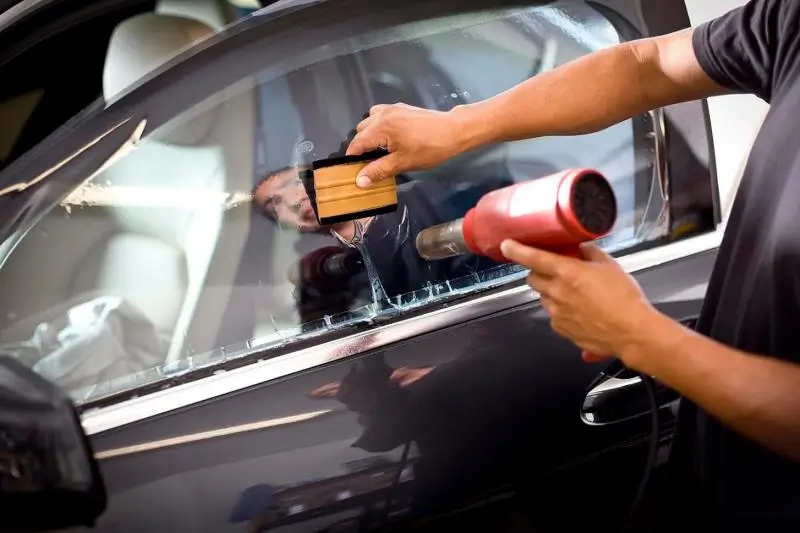
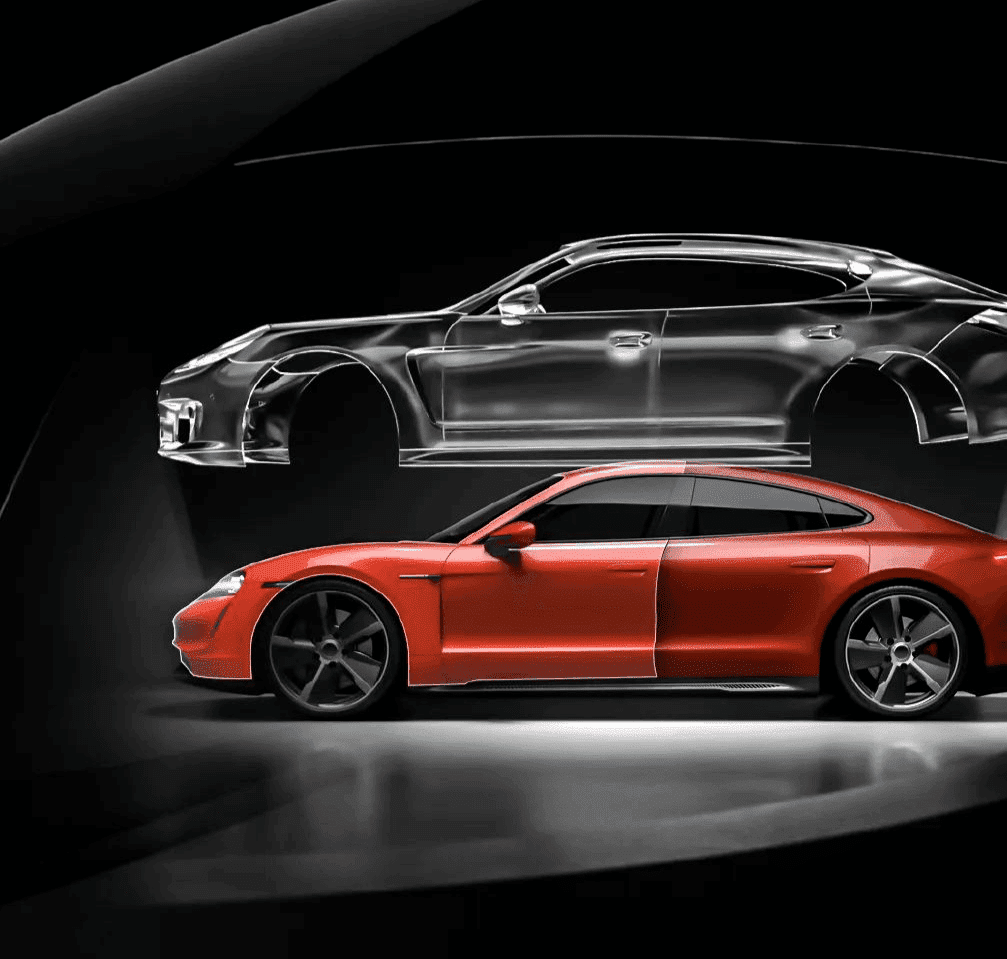
The most important thing PPF does is create a protective outer layer above the painted surface. That layer is transparent, durable, and designed to take environmental stress before the finish underneath does. This is the core reason PPF can help with both UV-related aging and road-related wear at the same time.
Premium films are built for outdoor weathering
High-quality films are designed for long-term outdoor use. Manufacturer materials describe premium PPF as resistant to weathering, including harsh UV radiation, and some films specifically mention UV inhibitors and reduced yellowing as part of the construction. That is why the phrase “high-quality PPF” matters so much in this topic. Not every film will age the same way.
It slows fading and oxidation rather than making them impossible
This is the key boundary. PPF helps by reducing exposure and acting as a sacrificial protective layer, but it does not create perfect immunity from every long-term effect of climate, heat, and time. The correct expectation is slower paint aging and better finish preservation, not absolute protection forever.
What PPF Protects Well — and What It Does Not Fully Stop
| Sun-Related Issue | What PPF Helps With | What It Does Not Fully Eliminate |
|---|---|---|
| UV exposure | Reduces direct UV-related stress on paint and clear coat | Does not make the vehicle immune to all long-term environmental aging |
| Fading | Helps slow visible color fade | Cannot guarantee zero change after years of harsh exposure |
| Oxidation | Helps slow oxidation and finish dulling | Cannot fully erase poor maintenance or prolonged neglect |
| Gloss loss | Helps preserve a fresher-looking finish | Does not stop every visual change caused by age and climate |
| Road + sun exposure together | Adds both UV-related help and physical protection | Does not replace proper washing, storage, and film maintenance |
This is the most practical way to understand the topic. PPF performs well when the goal is to reduce UV-related finish decline while also protecting against physical damage. It is less realistic to treat it as a permanent guarantee against every kind of aging.
Can Sun Damage the PPF Itself?
Yes, film quality matters
This is the part many buyers overlook. If the film is exposed to sun every day, the film itself also has to resist UV-related aging. That is why premium PPF products emphasize reduced yellowing, UV stability, and weathering resistance, and why warranty coverage in this category often specifically mentions yellowing, bubbling, cracking, fading, UV damage, and loss of gloss.
Lower-grade film can age worse in sunlight
The importance of anti-yellowing performance is not marketing fluff. It reflects a real long-term concern in outdoor use. Some film systems are explicitly tested against discoloration and yellowing, and some premium products are backed by warranties that include these issues. That tells you the real buying question is not only whether you have PPF, but whether you have sun-stable PPF.
When PPF Makes the Most Sense for Sun Protection
Vehicles parked outdoors every day
If a vehicle spends most of its life outside, the finish sees more UV exposure and more heat-related stress than a garage-kept vehicle. In that situation, PPF makes more sense because it helps reduce sun-related paint aging while also protecting the surface from daily environmental contact.
Cars in strong-sun or high-heat climates
The stronger the climate exposure, the more relevant this topic becomes. In hot, bright regions, the combination of UV stress and surface wear is more aggressive, so a film that helps with both can be a stronger long-term decision than relying on appearance maintenance alone.
Dark paint colors and gloss-sensitive finishes
Dark paint tends to show fading, gloss loss, and surface wear more obviously than many lighter finishes. For owners who care about keeping deep color and sharp gloss, PPF often makes more sense because it addresses both visible finish decline and everyday physical damage. This is an inference from how UV-related fading and gloss loss show up on exterior finishes over time.
Owners who want both UV help and physical protection
This is where PPF is strongest. If your main concern is only water behavior and easier washing, other products can help. But if you want UV-related paint help plus a real physical barrier against chips, scratches, and road wear, PPF is usually the more complete solution.
PPF vs Ceramic Coating for Sun Exposure
Ceramic coating helps with surface behavior
Ceramic coating is better known for hydrophobicity, easier cleaning, and maintenance convenience. It can support finish upkeep, but its role is different from PPF. It changes how the surface behaves rather than adding a thick sacrificial barrier over the paint. That distinction matters when the concern is long-term sun exposure plus road wear.
PPF adds a physical layer
PPF is the more complete answer when the goal includes both sun-related paint preservation and physical surface defense. If your vehicle faces UV exposure and chip risk at the same time, PPF covers more of the real-world damage profile. That is why many owners treat PPF as the foundational layer and use a coating only as a finishing upgrade if desired.
What to Check Before Buying PPF for Sun Protection
| What to Check | Why It Matters |
|---|---|
| UV resistance | Core to reducing sun-related finish stress |
| Anti-yellowing stability | Helps the film stay clear over time |
| Optical clarity | Keeps the finish clean-looking and visually sharp |
| Warranty scope | Helps you judge long-term confidence in the film |
| Installer quality | Affects adhesion, appearance, and service life |
| Maintenance guidance | Helps the film perform better over time |
If sun protection is one of your main reasons for considering PPF, do not stop at thickness or price. Ask how the film handles UV exposure, yellowing risk, long-term clarity, and outdoor durability. Those questions matter as much as the install itself.
FAQ
Does PPF protect against UV rays?
Yes. High-quality PPF is designed to handle UV exposure and can help reduce UV-related stress on paint and clear coat. That is one reason premium films are described as protection against harsh outdoor weathering, including ultraviolet radiation.
Does PPF stop paint fading?
It helps slow fading, but it does not guarantee that paint will never change over many years of sun exposure. The realistic expectation is reduced fading and better finish preservation, not total immunity.
Can the sun damage PPF itself?
Yes, prolonged outdoor exposure also affects the film. That is why high-quality PPF emphasizes UV stability and anti-yellowing performance, and why warranties often mention yellowing and related durability issues.
Is PPF better than ceramic coating for sun exposure?
If your concern is sun-related paint aging plus real physical protection, PPF is usually the stronger answer. If your concern is mostly easier cleaning and surface behavior, coating may be enough. They do different jobs.
Does high-quality PPF resist yellowing?
Yes, premium films are specifically designed and tested to reduce yellowing and withstand outdoor weathering better over time. That is one of the clearest differences between stronger film systems and weaker ones.
Why Choose FUNO for PPF Solutions
At FUNO, we explain PPF in the way owners actually need to understand it: not as a miracle shield, but as a practical protection layer that helps your paint age better under real-world conditions. If your main concern is sun-related fading, oxidation, and gloss loss, high-quality PPF can be a strong part of the answer. If your vehicle also sees daily highway use, chips, and surface wear, the value becomes even clearer.
The right result depends on more than just having film on the car. It depends on film quality, UV stability, installation quality, and realistic expectations. If your goal is to keep the finish looking fresher for longer while also adding physical paint defense, PPF is one of the strongest tools available for that job.
Related Posts


Contact FUNO
Tell us your target market, product category, preferred specification, estimated purchasing volume, and whether you need standard or private label supply.
FUNO can help you narrow suitable film options, sample requirements, packaging needs, and the next step toward bulk purchasing.